
Ouagadougou
The cultural, administrative and economic heart of Burkina Faso — nicknamed "Ouaga" — is a city of royal heritage, vibrant markets, world-class open-air art, and extraordinary warmth.
City at a Glance
About Ouagadougou
Founded in the 11th century by the Nyonyonsés — originally called Kombemtinga, meaning "the land of princes" — Ouagadougou became the seat of the powerful Mossi Empire in 1441. Today it is the cultural, administrative, and economic centre of Burkina Faso, covering 219 km² and home to nearly three million people.
Despite its off-the-beaten-path reputation, Ouaga is bursting with vibrant colour, music, and hidden gems. Its ancient royal traditions coexist with a modern creative scene — from the world-famous FESPACO film festival (held biennially) to an extraordinary open-air sculpture park. The Burkinabé people are widely regarded as among the most welcoming in West Africa.
Best Time to Visit & Weather
Dry Season Best Time
November – February. The ideal window for visiting. Temperatures range from 25–35 °C, humidity is low, and evenings are pleasantly cool. The Harmattan wind from the Sahara brings hazy skies but makes the heat bearable. Perfect for sightseeing, markets, and outdoor activities.
Hot Season
March – May. The most intense period — temperatures regularly exceed 40 °C. If you travel during this time, schedule outdoor activities for early morning or after 5 PM. Seek air-conditioned spaces midday and drink at least 3–4 litres of water daily.
Rainy Season
June – October. Rainfall cools the city to around 28–32 °C and turns the surrounding savannah green. Roads outside the city can become impassable. Good value for budget travellers — fewer tourists and lower hotel rates.
Festival Season
February (odd years) – FESPACO. The Pan-African Film and Television Festival of Ouagadougou is Africa's largest film festival. The city comes alive with screenings, cultural events, and visitors from across the continent. Book accommodation months in advance.
- Always carry bottled water — dehydration is a serious risk year-round.
- Apply high-SPF sunscreen daily; UV levels are extreme at this latitude.
- Wear light, loose, breathable clothing — light colours reflect heat better.
- Pack a light scarf or dust mask for the Harmattan wind (Dec–Feb).
- Malaria is present year-round — consult a travel clinic before departure and take prophylaxis.
Top Attractions
Moro-Naba Palace & Ceremony
The seat of the Mossi king. Every Friday at 7 AM, a centuries-old ceremony takes place — the king arrives on horseback dressed in red in a re-enactment of a historic moment of peace. Tourists are warmly welcomed but no photos or videos during the ritual.
Grand Marché (Central Market)
The beating commercial heart of Ouagadougou. Browse vibrant West African fabrics, silver jewellery, spices, and handcrafted souvenirs. A dedicated tourist section makes shopping easy. Get a henna tattoo from local women — a memorable way to connect with Burkinabé culture.
Grande Mosquée
The Grand Mosque in the city centre is a vibrant symbol of Burkina Faso's Muslim majority. Its beautifully carpeted interior is especially mesmerising during Friday prayers. Always ask permission before photographing and dress respectfully.
Cathédrale de l'Immaculée-Conception
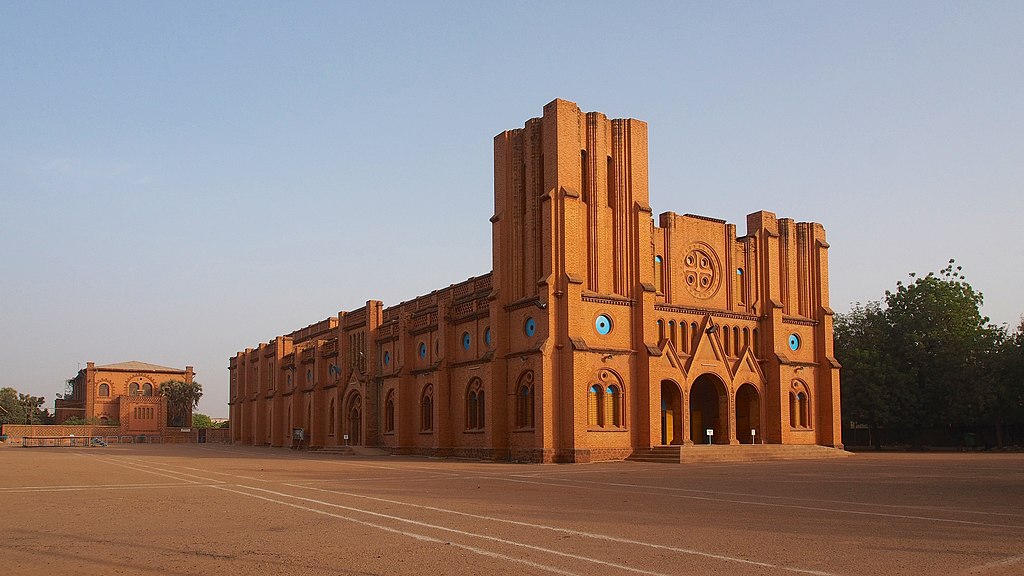
Dating to the 1930s, this striking orange cathedral is the largest in Burkina Faso, built from mud bricks with European-inspired architecture. A beautiful grotto dedicated to the Virgin Mary is tucked behind the main building. Religious souvenirs available at the entrance.
Laongo Sculpture Symposium
About 30 km northeast of the city, this extraordinary open-air museum features over 2,000 granite sculptures spread across 100 hectares of bush. Founded in 1989, it annually hosts an international sculpture event. Entrance ~2,500 CFA; a guide is strongly recommended.
Bangr-Weoogo Urban Park
Meaning "urban forest" in Mooré, this 240-hectare green oasis in the city centre features jogging trails, picnic spots, botanical gardens, and a small zoo housing monkeys, antelopes, crocodiles, and peacocks. The perfect midday escape from the heat.
Monument des Héros Nationaux
A futuristic rocket-shaped tower in the upscale Ouaga 2000 district. This bold national heroes monument offers panoramic views of Ouagadougou from its top platform — an unusual and thought-provoking piece of modern African architecture.
Musée National du Burkina Faso
Founded in 1962, the National Museum is the best place to understand Burkinabé history and culture. Highlights include a rotating exhibition of ethnic traditions and a permanent collection of stunning masks and traditional costumes. Located on Boulevard Charles de Gaulle.
Day Trip Itineraries
Day 1 — Culture & Royal Heritage
- 7:00 AM – Moro-Naba Palace Ceremony — Start your day with the unforgettable Friday royal ceremony. Arrive early to secure a spot near the courtyard entrance.
- 9:00 AM – Cathédrale de l'Immaculée-Conception — Walk to the striking orange cathedral in the city centre. Explore the interior and the Mary grotto at the rear.
- 10:30 AM – Grande Mosquée — A short walk away. Respectful dress required. Ask a guard to guide you around the outer courtyard.
- 12:00 PM – Grand Marché lunch & shopping — Grab brochettes or riz gras from a local stall, then browse textiles, silver jewellery, and crafts. Allow 2 hours.
- 3:00 PM – Musée National du Burkina Faso — Spend a relaxed afternoon with the museum's mask collection and cultural exhibitions.
- 6:00 PM – Bangr-Weoogo Park sundowner — End the day with a walk through the urban forest. Nearby restaurants are perfect for dinner and evening drinks.
Day 2 — Art, Sculptures & Ouaga 2000
- 7:30 AM – Depart for Laongo Sculpture Symposium — Head out early (30 km northeast) before the heat builds. Hire a local guide at the entrance — essential for getting the most from the 100-hectare site.
- 10:30 AM – Musée de la Musique — Back in the city, explore this underrated museum's collection of traditional West African instruments.
- 12:30 PM – Lunch in Ouaga 2000 — Head to the planned Ouaga 2000 district for lunch. Try Le Verdoyant for authentic Burkinabé cuisine in a beautiful garden setting.
- 2:30 PM – Monument des Héros Nationaux — Visit the futuristic monument, climb to the viewing platform for city panoramas, and stroll the surrounding grand boulevard.
- 4:30 PM – Village Artisanal (Artisan Village) — Browse locally made leather goods, wood carvings, bronze statues, and woven baskets. Quality is high and prices fair.
Local Food & Dining
Burkinabé cuisine reflects the country's rich agricultural heritage — hearty, communal, and full of flavour. Mealtimes are social events; sharing food from a common dish is a sign of welcome and friendship.
Must-Try Dishes
- Tô — The national dish. A thick paste from millet or sorghum flour served with rich sauces (okra, groundnut, baobab leaf, or sorrel) and meat. Found in local maquis eateries everywhere.
- Riz Gras — "Fat rice" slow-cooked in a rich tomato sauce with vegetables and meat. A filling, affordable everyday staple.
- Brochettes — Grilled meat skewers seasoned with local spices. The quintessential Ouagadougou street food — found on almost every corner, especially at night.
- Poulet Télévision — A local speciality of roast chicken, named because watching it turn slowly on the spit is reportedly as mesmerising as watching TV. A fun and delicious local favourite.
- Poisson Braisé — Whole chargrilled capitaine (Nile perch) with local spices, served with rice or attiéké (cassava couscous). Excellent in riverside maquis.
- Beignets & Alloco — Deep-fried dough balls and fried plantains. Popular quick snacks at street stalls throughout the day. Pair with fresh mango or papaya juice.
Le Verdoyant
One of Ouagadougou's most celebrated restaurants. Authentic Burkinabé and international cuisine in a beautiful garden setting. Ideal for a special dinner in Ouaga 2000.
L'Eau Vive
A unique restaurant run by nuns — a calm, air-conditioned escape from the heat. French and local dishes served nightly, with nuns singing Ave Maria at 9:30 PM. A one-of-a-kind Ouaga experience.
Gondwana
Decorated with authentic African masks and artefacts, Gondwana serves traditional Burkinabé food in four intimate rooms. Try the grilled meats and frog legs for an adventurous meal.
Diarafaso
The heart of traditional Burkinabé home cooking in Ouagadougou. Personal, genuine, and immersive. Must-try: Poulet Télévision and Ragout d'Agneau (lamb stew).
- Always drink bottled or purified water — tap water is not safe for visitors.
- Choose street stalls where food is cooked fresh in front of you and customer turnover is high.
- Peel fresh fruit yourself before eating, or opt for cooked options.
- Communal eating is customary — use only your right hand when sharing from a dish.
- Try dolo (traditional millet beer) at a local bar for a genuine cultural social experience.
Apply for Tourist Visa
How do I apply for an Ouagadougou tourist visa? Click Here List of e-Visa Countries
Important Emergency Numbers
Find Flights to Ouagadougou
Ouagadougou Airport Code: OUA
Cities with IATA Airport CodesCurrency: CFA Franc (XOF)
Currencies of the WorldOuagadougou Streets Map
Book the Best Tours
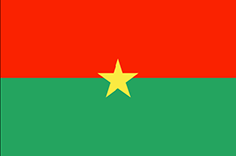
Ouagadougou is the capital city of Burkina Faso.
Burkina Faso Country Profile


