Country's codes
International phone code for Dominica: +1 767
Standard ISO 3166-1:
3 letters: DMA
2 letters (internet domain): .DM
digital country code: 212
 Olympic country code: DMA
Discovering Dominica: The Nature Island of the Caribbean
Travel Tips for Tourists
• Getting There:
Dominica is accessible via regional flights from nearby Caribbean islands such as Antigua, Barbados, and St. Lucia. American Airlines also offers direct flights from Miami. Ferries connect Dominica to Guadeloupe, Martinique, and St. Lucia, making island-hopping a scenic option.
• Best Time to Visit:
The dry season from November to April is ideal for travel, offering pleasant weather and fewer chances of rain. Whale watching is best between November and March, while cultural festivals like Carnival and the World Creole Music Festival occur in February and October, respectively.
Top Attractions:
Dominica is a haven for nature lovers. Must-see spots include:
- Boiling Lake – the second-largest hot lake in the world.
- Emerald Pool – a serene waterfall and swimming spot.
- Trafalgar Falls – twin waterfalls surrounded by lush rainforest.
- Waitukubuli National Trail – a 114-mile hiking trail across the island.
- Champagne Reef – snorkel among volcanic bubbles.
- Cabrits National Park – rich in history and biodiversity.
Healthy Travel Advice
To stay safe and healthy:
- Vaccinations: Ensure routine vaccines are up to date. Hepatitis A and B, typhoid, and MMR are recommended. Yellow fever is only required if arriving from a risk country.
- Mosquito Protection: Use repellent to guard against dengue and Zika.
- Water Safety: Tap water is generally safe, but bottled water is recommended in rural areas.
- Outdoor Safety: Wear sturdy shoes for hikes, stay hydrated, and avoid swimming in Boiling Lake due to extreme temperatures.
A Glimpse into Dominica’s History
Dominica’s story begins with its earliest inhabitants, the Ortoroids, who arrived around 3100 B.C. They were followed by the Arawaks and later the Kalinago (Caribs), who named the island Waitukubuli, meaning “tall is her body.”
In 1493, Christopher Columbus sighted the island on a Sunday, naming it Dominica. The Kalinago fiercely resisted colonization, but by the 1600s, both French and British forces vied for control. Dominica changed hands multiple times before becoming a British colony in 1763.
On November 3, 1978, Dominica gained independence. The post-independence era saw economic challenges, especially with the decline of the banana trade. Today, Dominica is investing in eco-tourism, celebrating its natural beauty and cultural heritage.
Current Political Landscape
Dominica is a parliamentary democracy led by the Dominica Labour Party (DLP) since 2000. Prime Minister Roosevelt Skerrit has held office since 2004. While elections are generally peaceful, recent years have seen controversy over electoral reforms, including low voter turnout and opposition boycotts.
The government has faced criticism over transparency, particularly regarding its Citizenship by Investment (CBI) program. Despite these concerns, Dominica maintains a high score for civil liberties and political rights, and reforms are underway to modernize the electoral system.
Useful country information
Total area: 290 sq mi (751 sq km)
Population (2026 est.): 65,500
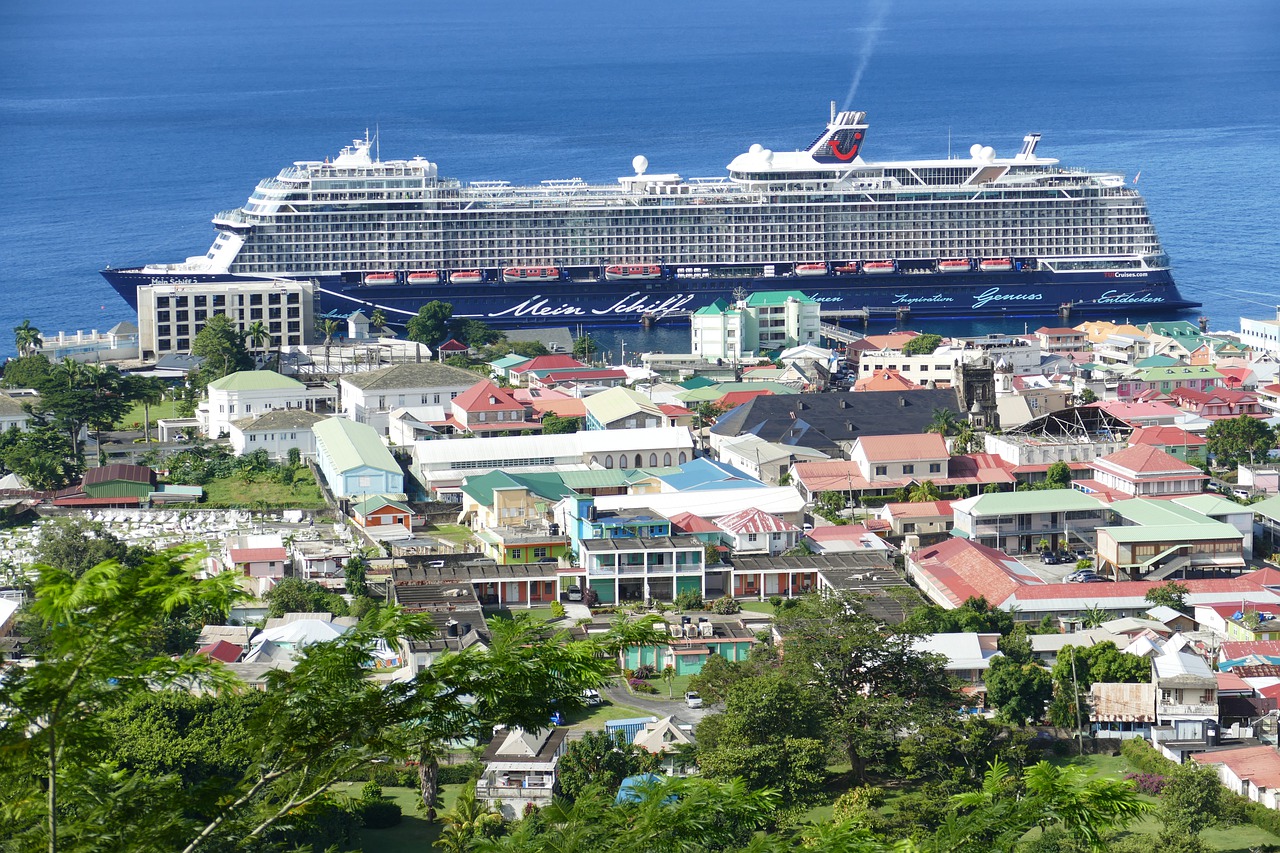
Capital and largest city: Roseau, 15,000
Roseau: Capital City Profile
Monetary unit: East Caribbean dollar
Languages: English (official), French patois (Antillean Creole)
Ethnicity/race: African descent 84.5%, mixed 9%, Kalinago (Indigenous) 3.8%, other 2.1%, unspecified 0.6%
National Holiday: Independence Day, November 3
Religions: Roman Catholic 52.7%, Protestant 29.7% (Seventh-Day Adventist 6.7%, Pentecostal 6.1%, Baptist 5.2%, Christian Union 3.9%, Methodist 2.6%, other 5.2%), Jehovah's Witnesses 1.3%, Rastafarian 1.1%, other religions 4.3%, none 9.4%, unspecified 1.4%
Get Travel Insurance Quote
Find the best travel insurance plan for you and your trip.
Dominica is nestled within the Windward Islands, forming the southern arc of the Lesser Antilles in the West Indies. Due chiefly to the fierce, strategic resistance of the indigenous Kalinago people, it earned historical distinction as the last of the Caribbean islands to be colonized by Europeans.
France ceded possession of the island to Great Britain in 1763, which formally established Dominica as a colony in 1805. The nation gained full independence in 1978. Just two years later, Dominica's political and economic fortunes stabilized significantly when a corrupt administration was replaced by Dame Mary Eugenia Charles. As the first female prime minister in the Caribbean, she went on to serve a transformative 15-year tenure.
Today, approximately 3,000 Kalinago people reside on the island, primarily within the Kalinago Territory. They represent the only remaining pre-Columbian population and indigenous territory in the Eastern Caribbean.
The Windward Islands: