Harare Weather
HARARE WEATHERAbout Harare
Harare is the capital and largest city of Zimbabwe — a landlocked southern African nation of extraordinary natural beauty, complex and turbulent modern history, and a population of remarkable warmth, resilience, and cultural richness. Situated on a high plateau in the northeast of the country at an elevation of approximately 1,483 metres above sea level, Harare enjoys one of the finest urban climates on the African continent — the city's altitude moderates the tropical latitude, producing year-round temperatures of extraordinary pleasantness (18–26°C for most of the year), a brilliant sunshine that earned the city its colonial-era nickname "The Sunshine City", and a dry season of crystal-clear skies and cool nights that makes outdoor life a genuine pleasure for the seven months between April and October. Founded in 1890 as Fort Salisbury by the Pioneer Column of the British South Africa Company — Cecil Rhodes's instrument for extending British imperial control into the African interior — the city was named after Lord Salisbury, British Prime Minister at the time of the settlement's establishment, and served as the capital of Southern Rhodesia, the Federation of Rhodesia and Nyasaland, and then Rhodesia under Ian Smith's Unilateral Declaration of Independence (1965–1979), before becoming the capital of independent Zimbabwe in 1980 and being renamed Harare (from Harawa — the name of the pre-colonial Shona chief whose village occupied the site) by the new ZANU-PF government of Prime Minister Robert Mugabe. Today, Harare is a city of approximately 1.54 million people — sophisticated, culturally vibrant, and architecturally distinctive, with a leafy, garden-suburb character inherited from the colonial town-planning traditions of the Rhodesian era that gives the city's residential areas an atmosphere quite unlike the dense, chaotic urbanism of many other African capitals. Despite Zimbabwe's decades of economic difficulty and political turbulence, Harare's cultural life — its visual arts, music, theatre, craft traditions, and the extraordinary hospitality of its Shona and Ndebele population — remains one of the most vital and most genuinely rewarding in sub-Saharan Africa.
Best Time to Visit Harare & Weather Guide
Harare's high-plateau climate is one of the most consistently pleasant in Africa — four recognisable seasons with moderate temperatures year-round, a long and reliable dry season, and a summer rainy season that produces spectacular thunderstorms and lush green landscapes without the oppressive humidity of lowland tropical Africa.
☀️ Dry Season (April–October)
The finest and most comfortable season for visiting Harare — seven months of predominantly clear skies, warm days, cool nights, and virtually no rainfall that constitute one of the longest and most reliable dry seasons of any African capital. May–August is the cool, dry heart of the season: daytime temperatures of 18–23°C under vivid blue skies, nights dropping to 7–12°C (a fleece or light jacket is needed after dark), and the clean, dry air of the Zimbabwe Highveld at its most invigorating. This is the ideal time for exploring Harare's parks, gardens, and city centre; for day trips to the Matobo Hills, Great Zimbabwe, and Hwange National Park; and for the full range of outdoor activities that Harare's surroundings offer. September–October sees temperatures warming rapidly toward the pre-rains peak (28–32°C in October), the landscape becoming brown and dusty as the dry season reaches its end, but game viewing reaching its annual best as animals concentrate around shrinking water sources — making October the finest month for safari in Hwange and the wildlife areas around Harare. The dry season is the peak of Harare's cultural calendar: the Harare International Festival of the Arts (HIFA) in late April/early May draws international and Zimbabwean artists to the city's finest week of music, theatre, dance, and visual art.
Best Time to Visit🌧️ Rainy Season (November–March)
Harare's summer rainy season brings the Inter-Tropical Convergence Zone southward over Zimbabwe, producing the dramatic afternoon and evening thunderstorms that are one of the most spectacular meteorological experiences the city offers — enormous cumulonimbus clouds building over the plateau through the morning heat, releasing spectacular lightning storms of considerable power over the city in the late afternoon, then clearing to spectacular sunsets of extraordinary colour. Rainfall averages 800–900mm per year, falling almost entirely in the November–March period in intense afternoon downpours rather than prolonged grey drizzle — mornings are typically warm, sunny, and beautiful, with the rain arriving between 3pm and 8pm in the wettest months. The rainy season transforms Harare into a city of lush green — the jacaranda trees (planted throughout the city's colonial-era streets and parks) that produce the most spectacular flowering display of the dry season (October–November) give way to dense, vibrant green foliage, and the Mukuvisi Woodland and suburban gardens reach their maximum beauty. December is a peak domestic travel month — Zimbabweans return home for the Christmas holiday season, and the city has an animated, festive quality of considerable warmth.
Green Season💜 Jacaranda Season (October–November)
The most visually spectacular season in Harare and arguably the most beautiful urban flowering display in southern Africa — the thousands of jacaranda trees (Jacaranda mimosifolia) planted along Harare's avenues, in its parks, and in the gardens of its colonial-era suburbs produce a breathtaking display of purple-blue blossom in October and November that transforms the city into one of the most photographically extraordinary urban environments on the continent. The jacaranda flowering coincides with the end of the dry season — the trees are in full bloom before the first rains bring the new leaves, creating a display of pure colour against the deep blue pre-storm skies of October that is of overwhelming beauty. Samora Machel Avenue, Josiah Tongogara Avenue, and the suburbs of Borrowdale, Highlands, and Mount Pleasant provide the finest jacaranda-lined streets. The Harare Jacaranda season is one of the most celebrated natural events in Zimbabwean cultural life and draws visitors from across the country and the southern African region.
Purple Jacaranda Season🎭 HIFA — Arts Festival Season (April–May)
The finest week in Harare's cultural calendar and one of the most important arts festivals in sub-Saharan Africa — the Harare International Festival of the Arts (HIFA), held annually over six days in late April or early May at the end of the dry-season transition, brings together Zimbabwean and international artists across music, theatre, dance, comedy, circus arts, and visual arts in a programme of extraordinary breadth and quality. HIFA has maintained its position as one of Africa's premier arts events through decades of political and economic difficulty — a testament to the depth and resilience of Zimbabwe's creative community and the organisational commitment of the festival's founders and supporters. The festival venues — spread across the Harare Gardens, the Reps Theatre, the Alliance Française, and various city-centre spaces — create a week of outdoor concerts, experimental theatre, traditional and contemporary dance, and spontaneous street performance that transforms central Harare into one of the most culturally animated environments in southern Africa. The combination of HIFA's cultural programme with the pleasant early dry-season weather of late April makes this the single finest week of the year to visit Harare.
Arts Festival SeasonDry Season (Apr–Oct): Light daytime clothing (20–26°C); a warm fleece or light jacket for cool evenings and early mornings (temperatures drop to 7–12°C in June–July). Comfortable walking shoes for the city's wide avenues and parks. Sunscreen and sunglasses for the intense high-altitude sun. A light layer for air-conditioned hotels, restaurants, and shopping centres.
Rainy Season (Nov–Mar): Light summer clothing; a compact umbrella or waterproof layer for afternoon thunderstorms; insect repellent (malaria risk is present in Harare's lower-altitude outskirts and significantly higher in the Zambezi Valley and Hwange area — consult your doctor). Sunscreen remains essential as mornings are sunny and bright.
Year-round essentials: Zimbabwe uses Type G plugs (same as UK) at 220–240V/50Hz — US and European visitors need an adaptor. The US Dollar is the primary currency of daily transactions in Harare — bring USD cash in small denominations (USD 1, 5, 10, 20 bills preferred). Zimbabwe's own currency (Zimbabwe Gold/ZiG, introduced 2024) is in circulation but USD is universally preferred and accepted. ATMs dispense USD. A yellow fever vaccination certificate may be required depending on your recent travel history — check current requirements before travel. Driving is on the left side of the road.
Top Attractions in Harare
Harare rewards visitors with a sophisticated and surprisingly rich urban experience — world-class sculpture and visual art, magnificent botanical gardens, a vibrant craft market culture, and the extraordinary natural and historical heritage of Zimbabwe's surroundings make this one of the most underestimated capital cities in Africa.
🏛️ National Gallery of Zimbabwe
The most important visual arts institution in Zimbabwe and one of the finest galleries in sub-Saharan Africa — the National Gallery of Zimbabwe, located on Julius Nyerere Way in the heart of central Harare adjacent to the Harare Gardens, houses the most significant collection of Zimbabwean and African contemporary art in the country, with particular strength in the extraordinary tradition of Shona stone sculpture that emerged in the 1950s and 1960s under the encouragement of Frank McEwen (the gallery's founding director) and became one of the most internationally celebrated bodies of contemporary African art. The Shona sculptors — carving directly from the serpentine, verdite, springstone, and cobalt stone of the Zimbabwe Highveld in an organic, figurative style that draws on the spiritual traditions of Shona cosmology — produced a body of work that entered major international collections from the Museum of Modern Art in New York to the Tate in London. The gallery's permanent collection spans traditional African art, Zimbabwean colonial-era painting, contemporary Zimbabwean and regional African art, and international works, with a programme of temporary exhibitions that maintains the gallery's position at the centre of Harare's vibrant contemporary arts scene. The gallery shop sells quality Shona stone sculpture and prints at prices that represent outstanding value compared to international art market equivalents.
World-Class African Art🌿 Harare Gardens & Botanical Garden
The finest urban green spaces in Harare and among the most beautiful public gardens in southern Africa — the Harare Gardens, a large park of mature trees, flower beds, and lawns in the heart of the city centre adjacent to the National Gallery, provide the most pleasant and most atmospherically urban green space in the capital, animated by the city's social life at weekends and serving as the primary outdoor venue for the HIFA arts festival in April/May. The adjacent Harare Botanical Garden — established in 1900 and covering 58 hectares of the city's northern suburbs — is one of the finest botanical gardens in Africa, preserving an extraordinary collection of indigenous Zimbabwean and African plant species alongside rare international specimens in mature, beautifully maintained garden settings. The botanical garden's collection of aloes (spectacular in mid-winter bloom, June–July) and its extraordinary cycad collection (among the finest in Africa) are particular highlights. The wide lawns and mature tree canopy of the botanical garden provide the most tranquil and most restorative urban experience available in Harare — a genuine oasis of calm in a busy and sometimes challenging city environment.
Green City Heart🦒 Mukuvisi Woodland & Wildlife
The most remarkable urban wildlife experience in Harare and one of the most extraordinary urban nature reserves in southern Africa — Mukuvisi Woodland, a 265-hectare nature reserve on the southeastern edge of Harare, preserves a fragment of the indigenous miombo woodland that once covered the entire Zimbabwe plateau and supports a wildlife population of remarkable diversity within sight of the city centre: giraffe, zebra, eland, kudu, sable antelope, warthog, and a bird list of over 250 species in a woodland setting of great beauty and complete authenticity. The reserve is managed by a conservation trust and offers guided walking safaris, horse trails, and self-guided nature walks — the experience of walking among giraffe in woodland within 10km of central Harare is genuinely extraordinary and provides one of the most accessible and most memorable wildlife encounters available in any African capital city. The Mukuvisi Woodland Environmental Education Centre operates excellent conservation education programmes and provides the most comprehensive introduction to Zimbabwe's indigenous flora and fauna in the Harare region. Game drives, archery, and cultural village tours are available for group bookings.
Urban Wildlife Walk🛍️ Mbare Musika & Craft Village
The most authentic and most historically significant market in Harare and one of the great urban markets of southern Africa — Mbare Musika, in the Mbare high-density suburb approximately 5km south of the city centre, is the oldest and largest market in Zimbabwe: a vast, bustling complex of fresh produce (the agricultural abundance of Zimbabwe's fertile plateau — maize, pumpkins, sweet potatoes, leafy vegetables, tomatoes, and tropical fruits from the Lowveld — displayed in quantities that reflect the country's status as one of Africa's most naturally fertile landscapes), second-hand goods, traditional herbs and medicines, and the pulsing social energy of Zimbabwe's urban working class. Adjacent to Mbare Musika, the Harare Craft Village (also at Mbare) assembles the finest concentration of Zimbabwean craft producers in the capital: stone sculptors working directly in serpentine and verdite, basket weavers from the Zambezi Valley, wire and recycled-art makers, and the woodcarvers whose animal figures and household objects reflect Zimbabwe's magnificent wildlife heritage. Shopping for stone sculpture, baskets, and craft objects at Mbare's craft market — with prices a fraction of those at the tourist-facing shops of the city centre — is the most rewarding and most authentic craft shopping experience available in Harare.
Authentic Market & Crafts🏛️ Zimbabwe Museum of Human Sciences
The most important repository of Zimbabwean cultural heritage and natural history, and the essential first stop for visitors seeking to understand the extraordinary depth of Zimbabwe's human story — the Zimbabwe Museum of Human Sciences (formerly the Queen Victoria Museum), located in Civic Centre Park in central Harare, houses a collection of remarkable breadth covering Zimbabwe's natural history, archaeology, ethnography, and the pre-colonial cultures of the plateau: the extraordinary Zimbabwe bird soapstone figurines (eight carved stone birds discovered at Great Zimbabwe in the 19th century, which became the national symbol of Zimbabwe and appear on the national flag — the originals or high-quality replicas are displayed in the museum with the archaeological and cultural context that explains their profound significance in Shona cosmology); traditional material culture of the Shona and Ndebele people; colonial-era historical exhibits; and a comprehensive natural history section covering Zimbabwe's extraordinary biodiversity. The museum's collection relating to the Second Chimurenga (Zimbabwe's liberation war, 1964–1979) provides essential historical context for understanding the country's complex post-colonial identity and the events that shaped modern Zimbabwe.
National Heritage✝️ Anglican Cathedral & Historic City Centre
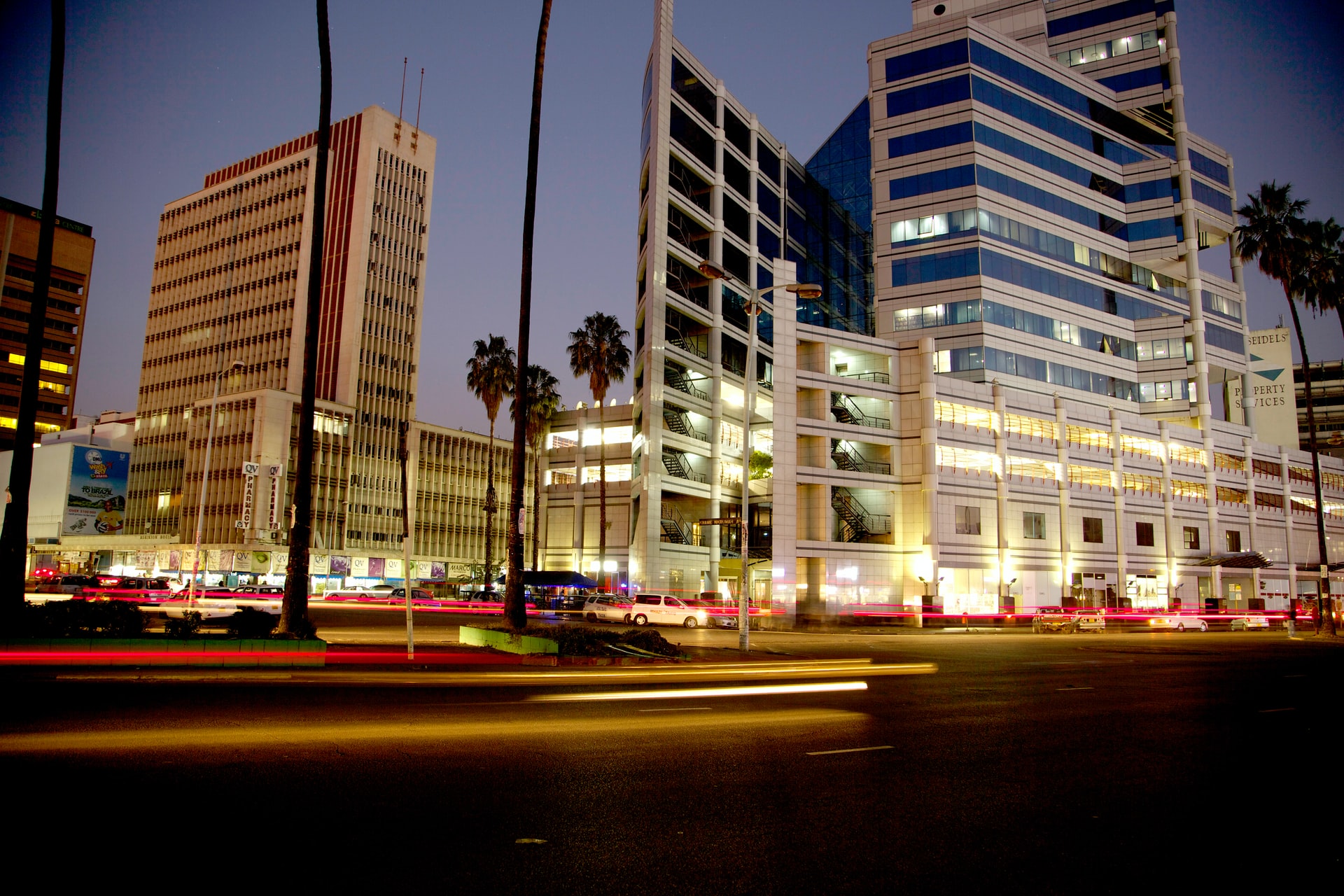
Harare's colonial-era city centre preserves a remarkable collection of early 20th-century civic and commercial architecture that gives the capital a distinctive physical character quite different from other African cities — the wide, tree-lined avenues of the original colonial grid plan, the jacaranda-shaded parks and gardens of the civic quarter, and the handsome buildings of the 1920s–1950s commercial core create an urban environment of considerable architectural interest and atmospheric quality. The Anglican Cathedral of St. Mary and All Saints (construction begun 1913, completed in stages through the mid-20th century), the Reserve Bank of Zimbabwe Tower (the city's most prominent modern landmark), the Reps Theatre (the oldest continuously operating theatre in Zimbabwe, a centre of Harare's performing arts life since 1931), and the Meikles Hotel (opened 1915 — the oldest and most historically significant hotel in Zimbabwe, a landmark of colonial-era Rhodesian life that has maintained its traditions of service and social importance through independence and into the contemporary era) represent the most historically resonant nodes of central Harare's architectural heritage. The city centre walking circuit — from the National Gallery through the Harare Gardens, past the Anglican Cathedral, down Samora Machel Avenue's jacaranda canopy to the Reserve Bank — provides the finest introduction to Harare's physical character and colonial-era heritage.
Colonial Heritage & Architecture🦅 Tengenenge Sculpture Community
The most important and most historically significant centre of Shona stone sculpture in Zimbabwe and one of the most remarkable artist communities in the world — Tengenenge Art Community, located approximately 160km north of Harare near Guruve in the Mashonaland Central province, was established in 1966 by Tom Blomefield on a former tobacco farm whose chromite-rich soil proved to contain extraordinary deposits of serpentine, springstone, cobalt stone, and verdite — the beautiful, variously coloured metamorphic rocks from which Zimbabwean sculptors have produced the body of work that transformed the international perception of African contemporary art. Today, Tengenenge is home to approximately 100 resident sculptors working in an open-air community of studios and living quarters — visitors can walk freely through the community, watching sculptors at work, purchasing directly from the artists, and experiencing the most authentic and most artistically significant encounter with Zimbabwe's greatest creative tradition available anywhere in the country. The quality of work ranges from tourist-grade souvenir carvings to pieces of significant artistic merit — the finest work at Tengenenge is of museum quality and available at prices that represent extraordinary value by international art market standards.
Shona Sculpture Capital🌳 Borrowdale & The Suburbs
Harare's most beautiful and most visitor-friendly residential areas — the northern suburbs of Borrowdale, Highlands, Mount Pleasant, and Avondale represent the finest expression of the colonial-era garden-suburb tradition that gives Harare its distinctive leafy, spacious character so different from the dense urbanism of most African capitals. These suburbs — with their wide, tree-lined streets, large walled gardens of extraordinary botanical richness, and the comfortable hotels, guesthouses, restaurants, and craft galleries that serve the city's international community — provide the most pleasant and most comfortable visitor environment in Harare. The Borrowdale Road corridor from the city centre to Borrowdale village is lined with the finest restaurants, coffee shops, and craft galleries in Zimbabwe: the Sam Levy's Village shopping complex in Borrowdale provides the most concentrated and most reliable concentration of quality retail, dining, and services in the city. The northern suburbs are also home to the finest residential accommodation in Harare — the guesthouses and small hotels of Borrowdale, Highlands, and Mount Pleasant offer a quality of comfort and personal service that significantly exceeds the large city-centre hotels at comparable or lower prices.
Garden Suburbs & DiningLocal Food Recommendations
Harare's food scene reflects the city's position as a sophisticated southern African capital with deep Shona and Ndebele culinary traditions, the legacy of British colonial food culture, and a contemporary restaurant scene of surprising quality and diversity in the northern suburbs — from traditional sadza and game meat to excellent Italian, Indian, and contemporary African cuisine.
🍽️ Must-Try Harare Dishes
- Sadza ne Nyama (Sadza with Meat) — the foundational dish of Zimbabwean cooking and the meal that defines the country's food culture: sadza, a thick, smooth white maize meal porridge cooked to a firm, sliceable consistency in large pots and served in generous portions, is the carbohydrate staple of Zimbabwe and the basis of every traditional meal. Served with nyama (meat — beef, goat, or game) in a rich tomato and onion stew, or with muriwo (collard greens, known as rape or covo leaves, cooked with onion and tomato — the most popular vegetable accompaniment in the Zimbabwean kitchen), sadza represents the culinary equivalent of sishwala in Eswatini or plov in Uzbekistan — the national dish that embodies the culture. Eaten with the right hand in the traditional manner (rolling a small ball of sadza, making a depression with the thumb, and using it to scoop the relish), sadza is simultaneously a food and a social act. Available at every tuck shop, local restaurant, and home kitchen in Harare; a complete sadza and beef stew meal at a local canteen costs USD 2–4 and is as good as Zimbabwean home cooking gets.
- Nyama ye game (Game Meat) — Zimbabwe's extraordinary wildlife heritage is reflected in its food culture: game meat — impala, kudu, warthog, crocodile, and ostrich — is widely available in Harare's restaurants and at the better butcheries of the northern suburbs. Impala biltong (air-dried game meat, similar to the South African tradition) is one of the finest and most distinctively Zimbabwean food products — lean, intensely flavoured, and preserved in the dry Highveld air to a density and complexity of flavour quite unlike any commercially produced dried meat. Available from specialist butcheries and craft food stalls throughout Harare; an excellent and highly portable food souvenir. Crocodile tail steak — served at the better game-themed restaurants of Harare, with a mild, firm-textured flesh often compared to firm chicken — is one of the most distinctively Zimbabwean food experiences available in the capital.
- Madora (Mopane Worms) — one of the most protein-rich and most culturally significant traditional foods in Zimbabwe: madora, the dried or smoked caterpillars of the Gonimbrasia belina moth (the Emperor Moth, which lays its eggs on mopane trees throughout the Zimbabwe lowveld), are collected, dried, and either eaten as a crunchy dried snack or rehydrated and cooked in a tomato and onion sauce as a relish for sadza. Rich in protein (up to 60% protein by dry weight), madora are both a traditional subsistence food of considerable nutritional importance for rural communities and an increasingly fashionable traditional ingredient appearing on the menus of Harare's more adventurous contemporary restaurants. Sold in bags at Mbare Musika and roadside markets throughout the city — the combination of madora and sadza with peanut butter relish (dovi) is one of the most traditional and most nutritionally complete meals in the Zimbabwean repertoire.
- Dovi (Peanut Butter Stew) — one of the most loved and most distinctively Zimbabwean dishes in the national repertoire: dovi, a rich, warming stew of chicken, beef, or vegetables slow-cooked in a groundnut (peanut) butter base with tomatoes, onions, and leafy greens (muriwo), is one of the finest expressions of Zimbabwe's culinary tradition and a dish of considerable depth and comfort. The combination of the slightly sweet, rich peanut base with the bitter notes of the collard greens and the acidity of the tomato produces a sauce of remarkable complexity that is one of the most personally compelling and most satisfying food encounters in southern African cooking. Found at traditional restaurants throughout Harare and in the home kitchens of every Zimbabwean family — the finest dovi in the city is invariably found at the most modest, least formal restaurants, where the peanut butter is made fresh and the vegetables are bought that morning from Mbare Musika.
- Braai culture and braaivleis — shared with its southern African neighbours, Zimbabwe has a fully developed open-fire grilling tradition that is central to the country's social culture: weekend braais (barbecues) of beef, boerewors (the spiced sausage of the Afrikaner tradition, made throughout Zimbabwe), chicken, and game meat are the most important social eating occasions in Harare's suburban and residential culture. The braai restaurants and steakhouses of the Borrowdale and Avondale areas serve Zimbabwe's excellent grass-fed beef and game meat at prices that represent exceptional value by international standards — Zimbabwe's beef (produced on the highveld ranches and communal farms of Mashonaland) is of outstanding quality, and the Harare steakhouses serve it with a simplicity and generosity quite different from the elaborate presentation of European restaurant culture.
🍺 Drinks & Social Culture
- Chibuku (Shake-Shake) — the most widely consumed traditional beer in Zimbabwe and one of the most culturally significant commercial beverages in sub-Saharan Africa: Chibuku, a commercially produced sorghum and maize opaque beer sold in one-litre cartons (hence the instruction on the packaging: "Shake well before drinking" — the settled sediment of the fermenting grain must be redistributed before consumption), is the dominant traditional beer brand in Zimbabwe and the beverage that fuels the social life of the country's high-density suburbs and rural communities. With an alcohol content of approximately 3–4% and a thick, slightly sour, grainy flavour of considerable acquired-taste character, Chibuku is the most authentically Zimbabwean drinking experience available — purchased from the bottle stores and neighbourhood tuck shops that punctuate every high-density suburb in the country for approximately USD 0.80–1.20 per carton. Chibuku Super (a cleaner, filtered version in a screw-top carton) offers a more approachable entry point to the tradition.
- Castle Lager & Zimbabwean bottled beers — Castle Lager (brewed in Zimbabwe under South African licence by Delta Beverages) and Zambezi Lager (Delta's premium Zimbabwean brand — a clean, refreshing lager with a crocodile on the label and a flavour of considerable quality) are the dominant commercial beers in Harare's bars, restaurants, and bottle stores. Cold Zambezi at a Borrowdale bar or after a game drive in the bush is one of the most characteristically Zimbabwean social experiences. Bohlingers (a strong dark lager) and Eagle Lager (a budget option) complete the major domestic range.
- Mazoe Orange Crush — the most beloved non-alcoholic beverage in Zimbabwe and one of the most nostalgically significant food products in the country's cultural memory: Mazoe, a concentrated orange cordial produced from the oranges of the Mazoe Valley citrus estates north of Harare (established in the colonial era and still producing some of the finest citrus fruit in Africa), is mixed with water to produce a brilliantly orange, intensely flavoured drink of exceptional freshness and sweetness that is the daily beverage of choice for Zimbabwean children and adults alike. Mazoe is available throughout Harare in its distinctive glass bottle — a souvenir as much as a beverage. The Mazoe valley orchards and dam (a beautiful lake formed by the Mazoe Dam) are a popular half-day excursion from Harare.
- Coffee culture — Harare has a growing and genuinely good coffee culture, concentrated in the cafés of Borrowdale, Avondale, and the Sam Levy's Village shopping complex: the best Harare café-bars serve good espresso-based coffee alongside fresh juices, smoothies, and light meals in the comfortable, air-conditioned atmosphere of the Zimbabwean middle-class social space. Zimbabwean tea — grown in the Eastern Highlands near Chipinge, one of the finest tea-growing regions in Africa — is available at the better hotels and restaurants, and the Tanganda Tea brand (Zimbabwe's dominant domestic tea producer) makes an excellent food souvenir available at supermarkets throughout the city.
🍽️ Where to Eat — Local Tips
- Amanzi Restaurant (Borrowdale) — widely regarded as the finest restaurant in Harare and one of the best in Zimbabwe: Amanzi, in the leafy Borrowdale suburb, serves an internationally inspired menu with strong Zimbabwean influences — game meat, fresh Kariba bream (tilapia from Lake Kariba), and seasonal Highveld produce — in a beautifully designed open-air setting of considerable atmosphere. The wine list is one of the most serious in the city, featuring quality South African producers alongside Zimbabwean options. Budget USD 20–40 per person for a complete dinner with wine — very reasonable by international standards for the quality offered. Reservations strongly recommended for weekend dinners.
- Gava's Restaurant (Harare Gardens area) — the finest and most celebrated traditional Zimbabwean restaurant in the city centre, serving sadza, dovi, game meat, madora (for the adventurous), and the full range of Shona traditional cooking in a setting that combines authentic Zimbabwean cultural atmosphere with comfortable visitor-friendly presentation. Gava's is the restaurant most recommended by returning Zimbabwe visitors as the most genuinely local and most culinarily educational eating experience in the capital. Budget USD 8–15 per main course.
- Sam Levy's Village restaurants (Borrowdale) — the most concentrated and most reliable cluster of quality mid-range restaurants in Harare, with options spanning good Italian (Pastel restaurant), sushi, Indian, and contemporary African cuisines in a safe, accessible, and well-maintained suburban mall setting. Prices of USD 8–18 per main course; good quality across the board. The most practical lunchtime and early evening dining option for visitors staying in the northern suburbs.
- Tuck shops and local canteens — high-density suburbs — for the most authentic and most affordable Zimbabwean food experience, the tuck shops and local canteens of Mbare, Highfield, and the city centre back streets serve sadza and various relishes for USD 1.50–3.50 per complete meal. The combination of sadza, beef stew, and muriwo at a local canteen, eaten communally at a shared table, is the most genuine and most personally memorable food experience available in Harare — recommended for visitors with a spirit of culinary adventure and an interest in authentic local life.
- The Terrace at Meikles Hotel — for a historically atmospheric and comfortable breakfast, afternoon tea, or light lunch, the Terrace at Harare's oldest and most historically significant hotel (open since 1915) provides an excellent menu of international and Zimbabwean dishes in the grand, slightly faded colonial atmosphere of a hotel that has served as a social landmark of Harare for over a century. The Sunday buffet lunch at Meikles is a traditional institution of Harare social life — joining the city's established residents and expatriate community for the weekly Meikles buffet provides one of the most socially authentic and most comfortable introductions to Harare's urban culture.
🎶 Arts, Music & Cultural Scene
- Harare's arts and cultural life is one of the most vital and most internationally recognised in sub-Saharan Africa — the Zimbabwe music scene has produced artists of global significance: Thomas Mapfumo (the creator of chimurenga music — a fusion of traditional Shona mbira music with electric guitar and protest lyrics that became the soundtrack of Zimbabwe's liberation struggle and independence), Oliver Mtukudzi (whose tuku music — a deeply personal fusion of Afrobeat, South African mbaqanga, and traditional Shona rhythms — made him the most beloved Zimbabwean musician of his generation), and the mbira tradition itself (the ancient finger piano of the Shona people, used in spirit possession ceremonies and considered the most sacred of traditional Zimbabwean musical instruments) represent a musical culture of extraordinary depth and sophistication. Live music is accessible at various venues in Harare's northern suburbs — the Book Café (a legendary venue for live music, poetry, and cultural debate in Harare for two decades) and various Borrowdale and Avondale bars host performances of chimurenga, mbira, and contemporary Zimbabwean music most weekends.
- The Harare International Festival of the Arts (HIFA) — held annually in late April/early May at multiple city-centre venues — is the most important cultural event in Zimbabwe and one of the finest arts festivals in Africa, drawing international performers and Zimbabwean artists to a week of concerts, theatre, dance, comedy, and visual art of remarkable quality. HIFA's combination of international calibre programming with the warmth and spontaneity of Zimbabwean cultural hospitality creates an event of unique character that has maintained its artistic ambition and community spirit through decades of economic difficulty — a testament to the extraordinary resilience of Zimbabwe's creative community.
- The Shona stone sculpture tradition — accessible through the National Gallery, the Mbare Craft Village, Tengenenge Art Community (160km north), and the numerous commercial galleries of Borrowdale and Avondale — remains the most internationally significant body of contemporary art produced in Zimbabwe, and the opportunity to purchase directly from working sculptors at the Mbare craft market or Tengenenge represents one of the finest and most personally rewarding art-buying opportunities available anywhere in Africa.
- Harare's theatre and performing arts scene — centred on the Reps Theatre (the oldest and most historically significant theatre in Zimbabwe), the Theatre in the Park (an outdoor performance space in the Harare Gardens offering regular performances of Zimbabwean drama and music), and the Alliance Française cultural programme — maintains an active programme of productions throughout the year that provides visitors with access to the full range of Zimbabwe's performing arts culture at very modest ticket prices (USD 5–15 per performance).
Day Trip Itineraries from Harare
Harare's central position on the Zimbabwe Highveld and its road and air connections across the country make it an excellent base for accessing some of Africa's most spectacular natural and historical sites — from the ancient stone ruins of Great Zimbabwe to the thundering curtain of Victoria Falls:
🏛️ Day Trip: Great Zimbabwe National Monument
Travel time: 4 hours south by road or 45 minutes by light aircraft | Cost: Entry USD 15; best as overnight with Masvingo base
Great Zimbabwe — the largest ancient stone structure in sub-Saharan Africa and the most historically significant archaeological site in Zimbabwe — is the ruined capital of the medieval Zimbabwe Empire that dominated the gold trade of the African interior between the 11th and 15th centuries. Built by the ancestors of the modern Shona people without mortar, using only the interlocking granite blocks of the Zimbabwe Highveld, the ruins consist of three main sections: the Hill Complex (the oldest section, a royal court perched dramatically on a granite kopje), the Great Enclosure (the most imposing structure, whose walls reach 11 metres in height and 5 metres in thickness, enclosing a mysterious conical tower of unknown purpose), and the Valley Ruins (the residential and commercial areas of the ancient city). The scale, ambition, and mysterious beauty of Great Zimbabwe — a UNESCO World Heritage Site — provide one of the most profound encounters with pre-colonial African civilisation available anywhere on the continent.
UNESCO World Heritage🌊 Overnight: Victoria Falls
Travel time: 1 hour by Zimbabwe Airways or Air Zimbabwe domestic flight | Cost: Flight USD 100–180 return; best as 2–3 night visit
Victoria Falls — one of the Seven Natural Wonders of the World and the largest waterfall on earth by combined width and height — is the single most extraordinary natural sight in Zimbabwe and one of the most spectacular in Africa. The Falls (known in Shona as Mosi-oa-Tunya — "the Smoke that Thunders") drop 108 metres into the Zambezi Gorge along a 1.7km-wide curtain of water that generates a permanent cloud of spray visible 50km away in the dry season. The town of Victoria Falls on the Zimbabwe side offers direct access to the Falls viewpoints, the Zambezi National Park, white-water rafting on the world-class Zambezi rapids, bungee jumping from the Victoria Falls Bridge, and some of the finest lodge accommodation in southern Africa. A minimum two-night visit from Harare is strongly recommended — a day trip is possible by air but does not allow sufficient time to experience the full range of this extraordinary destination.
Natural Wonder of the World🦏 Day Trip / Overnight: Matobo National Park
Travel time: 5 hours south by road (via Bulawayo) | Cost: Entry USD 15 per person; best as 2-night visit from Bulawayo
One of the most extraordinary landscapes in southern Africa and a UNESCO World Heritage Site of profound beauty and historical significance — the Matobo Hills (also written Matopos), a landscape of dramatically rounded granite domes, deep valleys, and boulder-strewn plains in southwestern Zimbabwe approximately 430km from Harare, is simultaneously one of the world's densest concentrations of prehistoric San rock art (over 3,000 recorded sites, some dating back 13,000 years), a wildlife sanctuary with the highest density of leopard in the world and significant rhino populations, and the site of Cecil Rhodes' grave (on the dramatic "World's View" granite summit — one of the finest viewpoints in Africa). The Matobo landscape has a spiritual significance for the Ndebele people that gives the entire area an atmosphere of extraordinary profundity.
Rock Art & Wildlife🌊 Day Trip: Lake Kariba & Kariba Town
Travel time: 4.5 hours northwest by road or 1 hour by light aircraft | Cost: Houseboat charter USD 150–300 per person per day; best as overnight
Lake Kariba — created by the construction of the Kariba Dam on the Zambezi River in 1959 and one of the largest man-made lakes in the world (5,580km² of surface area, 290km in length) — is Zimbabwe's most important inland water destination and one of the finest houseboat safari experiences in Africa. The lake's shores and islands support populations of elephant, buffalo, hippo, crocodile, and a remarkable diversity of bird species, all viewed from the extraordinary vantage point of a houseboat drifting on the vast, glittering expanse of the lake against the backdrop of the Zambezi Escarpment. Kariba town — a small, atmospheric settlement on the Zimbabwe shore — has several lodges and houseboat operators offering overnight and multi-day experiences on the lake. The Church of Santa Barbara at Kariba (built to commemorate the workers who died during the dam's construction, set on a promontory above the dam wall with extraordinary views) is one of the most moving and most architecturally distinctive small churches in Africa.
Houseboat SafariTourist Tips for Harare
🚗 Getting Around
- Harare is primarily a self-drive or taxi city — the public transport system (kombi minibus taxis operating fixed routes throughout the city) is functional but challenging for visitors unfamiliar with the routes and the sometimes aggressive boarding culture of the busy city-centre terminus areas. Private taxis (negotiate the fare firmly before boarding — a typical northern suburbs to city centre journey costs USD 5–10) are the most practical option for city travel. Vaya Africa and Hwindi (Zimbabwe's domestic ride-hailing apps, similar to Uber) operate in Harare and are strongly recommended for visitors — metered, safe, and English-language. Uber itself has limited availability. Ask your hotel or guesthouse to recommend a reliable taxi driver for day trips and extended excursions.
- Robert Gabriel Mugabe International Airport (HRE) is located approximately 15km southeast of the city centre — a 25–40 minute taxi journey (USD 20–35 by private taxi; negotiate before boarding). The airport is served by Ethiopian Airlines (via Addis Ababa — the most important international hub connection), Kenya Airways (via Nairobi), South African Airways / Airlink (via Johannesburg), Emirates (via Dubai), Qatar Airways (via Doha), RwandAir (via Kigali), Fastjet (pan-African low-cost), and Zimbabwe Airways (domestic routes to Victoria Falls, Bulawayo, and Kariba). Most visitors from Europe connect through Johannesburg, Addis Ababa, or Dubai.
- For car hire, all major international companies (Avis, Hertz, Budget) have desks at Harare Airport and in the city. Driving in Zimbabwe is on the left. Road conditions on main routes are generally good but can deteriorate significantly on secondary roads and in the rainy season — a standard saloon is adequate for Harare city and main highway travel; a 4WD is recommended for rural excursions. Petrol availability has improved significantly in recent years but it is wise to fill up whenever the opportunity arises outside major centres.
- For domestic flights to Victoria Falls, Kariba, and Bulawayo, Zimbabwe Airways and Fastjet Zimbabwe operate scheduled services from Harare Airport. Charter flights and light aircraft transfers (for Hwange, Mana Pools, and remote safari camps) are arranged through the specialist safari operators of Harare's northern suburbs.
💡 General Safety & Travel Tips
- The US Dollar (USD) is the primary currency for all transactions in Harare — bring USD cash in small denominations (USD 1, 5, 10, and 20 bills are preferred; USD 100 bills can be difficult to change and are sometimes refused). The Zimbabwe Gold currency (ZiG, introduced April 2024) is in circulation but USD is universally accepted and universally preferred. ATMs at the major banks (CBZ, Stanbic, Standard Chartered, FBC) in the Borrowdale and city-centre areas dispense USD but can be unreliable — carry sufficient cash for each day's planned activities. Card acceptance is improving at major hotels and supermarkets; cash is still required at markets, local restaurants, and smaller establishments.
- Zimbabwe uses Type G plugs (same as UK) at 220–240V/50Hz — US visitors need both a plug adaptor and voltage converter; European visitors need a Type G adaptor. Power cuts (load shedding) are a reality of life in Harare — most hotels and lodges operate backup generators, but carry a small power bank for device charging. A small torch is useful for unexpected outages.
- Visa requirements: Zimbabwe operates an e-visa system through evisa.gov.zw — most nationalities can apply online in advance for USD 30–75 depending on nationality and visa type, with approval typically within 24–72 hours. Citizens of certain countries (including South Africa, most COMESA member states, and some others) are visa-exempt. KAZA UniVisa (USD 50, valid for both Zimbabwe and Zambia) is available for visitors wishing to cross to the Zambian side of Victoria Falls. Always verify current requirements on the official e-visa portal before travel.
- The finest Harare souvenirs: Shona stone sculpture — the most internationally significant Zimbabwean art form, available directly from sculptors at Mbare Craft Village and Tengenenge (the best value and most authentic purchasing experience in the country); Zimbabwean batik and fabric — hand-waxed and dyed cotton in the distinctive wildlife and geometric patterns of the Zimbabwean craft tradition; Impala and kudu biltong from specialist game butcheries — intensely flavoured dried game meat, an excellent travel food and food souvenir; Mazoe Orange Crush concentrate — the most nostalgically beloved Zimbabwean food product, available at all supermarkets; and Tanganda Tea from the Eastern Highlands — one of Africa's finest teas, beautifully packaged and available at the better Harare supermarkets.
- Photography sensitivity: Zimbabwe has strict laws regarding photography of government buildings, military or police installations, the President's residence, and official infrastructure. Always ask permission before photographing individuals, particularly in traditional community settings. The National Gallery, Harare Gardens, and the northern suburbs are generally photography-friendly environments; the city centre requires more discretion. Always ask before photographing the airport interior.
Apply for Tourist Visa
Zimbabwe operates an e-visa system — most nationalities can apply online in advance through the official portal. The e-visa costs USD 30–75 depending on nationality and visa type, with approval typically within 24–72 hours. Citizens of certain countries including South Africa and most COMESA member states are visa-exempt. The KAZA UniVisa (USD 50) is available for visitors to both Zimbabwe and Zambia and is particularly useful for Victoria Falls visits involving the Zambian side. All visitors require a passport valid for at least 6 months beyond the intended departure date. Always verify current requirements on the official e-visa portal before travel. Zimbabwe E-Visa Application
Important Emergency Numbers
🇿🇼 Harare Emergency Contacts
- 🚑 Ambulance: 999
- 🔥 Fire Brigade: 994
- 👮 Police: 993
- 🆘 General Emergency: 999
International Emergency Phone Numbers
Find Flights to Harare
Airport Code: HRE — Robert Gabriel Mugabe International Airport (15km southeast of city centre)
Airport Transfer: Private taxi to city centre USD 20–35, 25–40 minutes. International airlines serving HRE include Ethiopian Airlines (via Addis Ababa), Kenya Airways (via Nairobi), Emirates (via Dubai), Qatar Airways (via Doha), South African Airways / Airlink (via Johannesburg), RwandAir (via Kigali), and Fastjet (regional connections). Most European visitors connect through Johannesburg, Addis Ababa, or Dubai.
International Airport FinderCurrency in Harare
The primary currency for daily transactions in Harare and throughout Zimbabwe is the US Dollar (USD) — widely accepted and universally preferred following Zimbabwe's abandonment of the hyperinflationary Zimbabwe Dollar in 2009. The Zimbabwe Gold (ZiG), introduced in April 2024 as a new local currency backed by gold and foreign reserves, is in circulation but USD remains the dominant and most practical currency for visitors. Bring USD cash in small denominations — USD 1, 5, 10, and 20 bills are preferred; change is frequently unavailable. ATMs at major banks in Borrowdale and the city centre dispense USD but can be unreliable. Harare offers outstanding value for visitors from Europe, North America, or Australia holding USD — restaurant meals, game activities, craft shopping, and accommodation all provide exceptional value by international standards.