

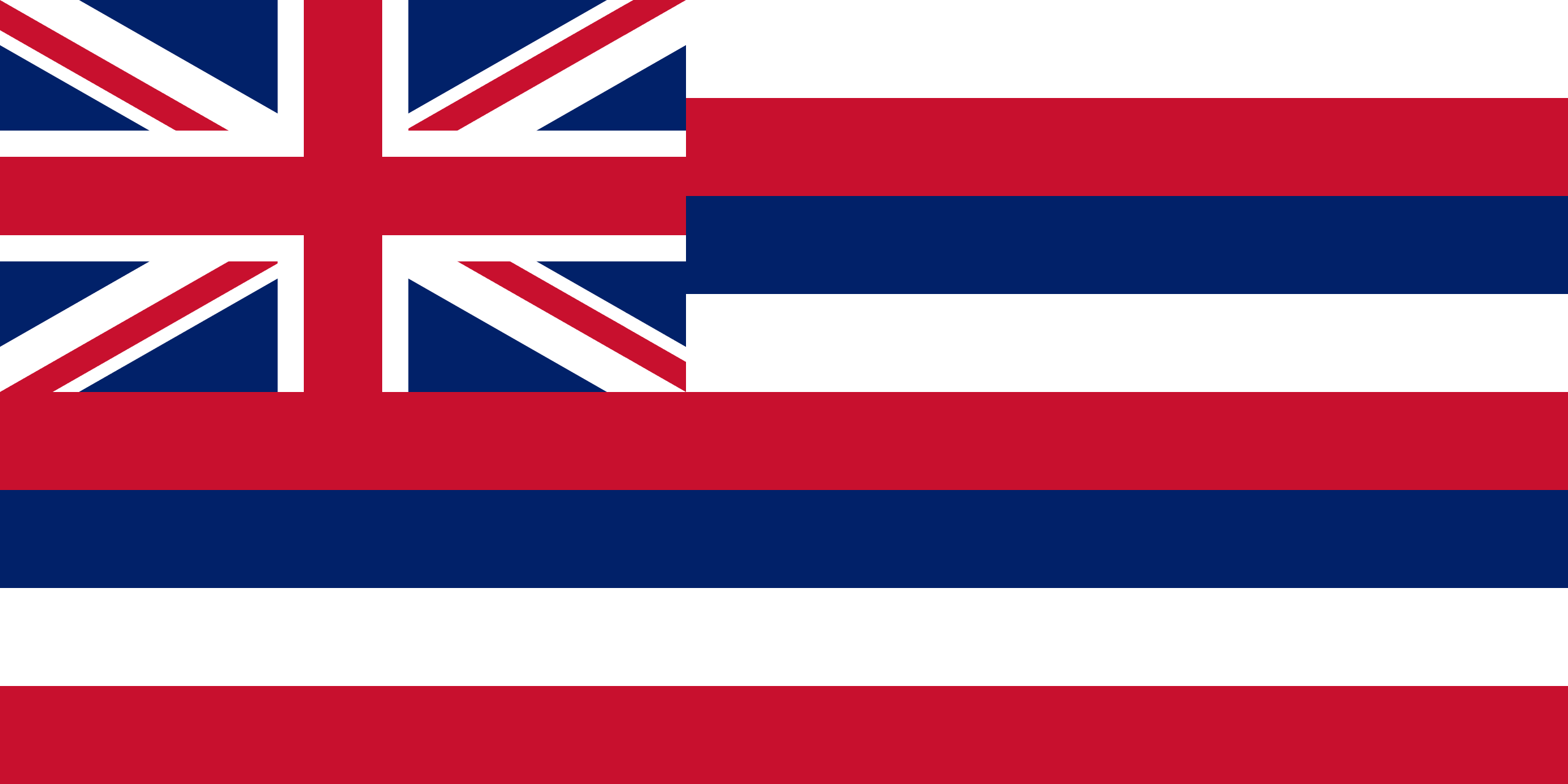

Discover Hawaii
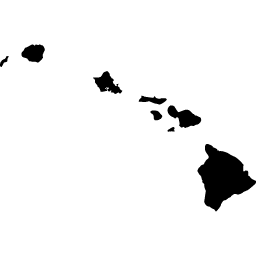
Hawaii, an isolated volcanic archipelago in the Central Pacific, is the only U.S. state located outside North America and the only one composed entirely of islands. Known for its rugged landscapes of cliffs, waterfalls, tropical foliage, and beaches with gold, red, black, and even green sands, Hawaii is a paradise for nature lovers and culture seekers alike. Each of the six major islands—Kauaʻi, Oʻahu, Molokaʻi, Lānaʻi, Maui, and the Island of Hawaiʻi—offers a distinct personality and breathtaking spirit of Aloha.
Best Time to Visit Hawaii
- April–June & September–November: These "shoulder seasons" offer the best weather, fewer crowds, and lower airfare.
- December–March: Peak season for whale watching and big-wave surfing on the North Shore, though prices are highest.
- Year-round: Temperatures stay consistently between 75°F and 85°F, making it a great destination any time.
Tip: Winter is the rainy season, but rain showers are often brief and followed by vibrant rainbows.
History
Originally settled by Polynesian voyagers, Hawaii was a sovereign kingdom ruled by monarchs like King Kamehameha the Great. Following the arrival of Western explorers and the eventual overthrow of Queen Liliʻuokalani, Hawaii became a U.S. territory. It played a central role in World War II following the attack on Pearl Harbor and was admitted as the 50th U.S. state in 1959. Today, it remains a vibrant melting pot of Native Hawaiian heritage and diverse global influences.
Top Attractions in Hawaii
Hawaiʻi Volcanoes National Park
Located on the Big Island, it features two of the world's most active volcanoes, Kīlauea and Mauna Loa.
Pearl Harbor & USS Arizona
A profound historic site in Honolulu dedicated to the events of December 7, 1941, and the heroes of WWII.
Waikiki Beach
The world-famous shoreline of Oʻahu, known for surfing lessons, luxury shopping, and stunning Diamond Head views.
The Road to Hana
Maui's legendary drive featuring 620 curves and 59 bridges through lush rainforests and cascading waterfalls.
Na Pali Coast
Kauaʻi's majestic coastline of emerald green pinnacles and towering sea cliffs, accessible by boat or helicopter.
Haleakalā National Park
Maui's massive dormant volcano, famous for unforgettable sunrise views from above the clouds.
Tourist Tips for Hawaii
- Respect the Land (Malama): Always stay on marked trails, never touch sea turtles (Honu), and leave no trace.
- Island Hopping: You must fly between islands; there are no passenger ferries except between Maui and Lānaʻi.
- Sunscreen: Use only "Reef-Safe" sunscreen (non-nano zinc oxide) to protect the fragile coral reefs.
- Island Time: Life moves slower here. Don't honk your horn, and embrace a more relaxed pace of travel.
- Footwear: Take your shoes off before entering someone's home—a local custom across all the islands.
Capital City: Honolulu
Honolulu is the gateway to the islands, a cosmopolitan city that blends modern skyscrapers with historic sites like ʻIolani Palace, the only royal palace in the U.S.
Explore Honolulu Travel GuideState Facts
| State Capital | Honolulu |
|---|---|
| State Size | Total: 10,931 sq miles; Land: 6,423 sq miles |
| Number of Counties | 5 |
| Time Zone | Hawaii-Aleutian Standard Time (No Daylight Saving Time) |
| Bordering States | None (Pacific Ocean) |
| Highest Point | Mauna Kea (13,803 ft) |
| National Parks | Hawaiʻi Volcanoes, Haleakalā |
| State Population (2020) | 1,455,271 |
| Population Density | 226 people per sq mile |
| Area Codes | 808 |
Hawaii Map

