Country's codes
International phone code for India: +91
3 letters: IND
2 letters (internet domain): .IN
Digital country code: 356
Standard EAN-13 (country barcode): 890
 Olympic country code: IND
Top Tourist Attractions in India
From snow-covered Himalayan peaks and sacred rivers to tropical beaches and royal palaces, India offers one of the most diverse travel experiences on Earth.
Why Visit India?
India is a destination filled with contrasts, colors, traditions, and unforgettable experiences. Travelers can explore Mughal architecture, ancient temples, Himalayan valleys, tropical islands, bustling cities, and peaceful countryside all within one country.
Whether you are interested in culture, food, spirituality, wildlife, history, or adventure, India offers something unique for every type of traveler.
October to March for most regions
Indian Rupee (INR)
Culture, food, spirituality, heritage & nature
Safari, yoga, trekking, beaches & history

1. Taj Mahal, Agra
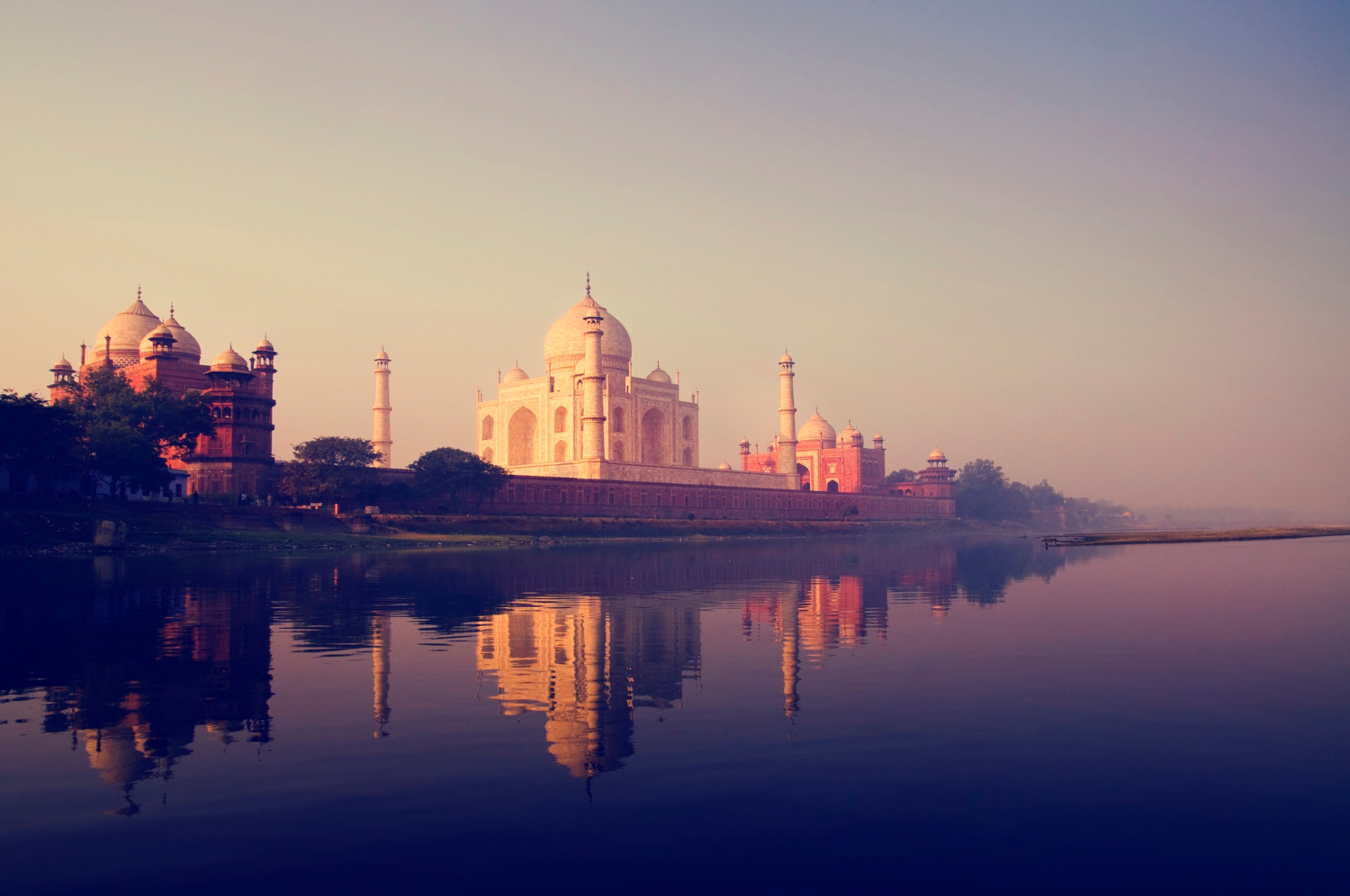
The Taj Mahal is India’s most famous monument and one of the Seven Wonders of the World. Built by Emperor Shah Jahan in memory of Mumtaz Mahal, this white marble masterpiece is admired for its symmetry, gardens, and stunning Mughal design.
2. Jaipur, Rajasthan
Jaipur is famous for royal palaces, colorful bazaars, and historic forts including Amer Fort, Hawa Mahal, and City Palace. It forms part of India’s famous Golden Triangle.
3. Kerala Backwaters
The backwaters of Alleppey and Kumarakom offer peaceful cruises through palm-lined canals, lakes, and traditional villages. Staying overnight on a houseboat is a memorable experience.
4. Varanasi, Uttar Pradesh
Varanasi is one of the oldest continuously inhabited cities in the world. Located on the sacred Ganges River, it is deeply important in Hindu spirituality.
5. Havelock Island, Andaman
Havelock Island features crystal-clear waters, coral reefs, and white-sand beaches. Radhanagar Beach is considered one of Asia’s finest beaches.
6. Ladakh, Jammu & Kashmir
Ladakh is known for dramatic landscapes, Buddhist monasteries, high-altitude lakes, and scenic mountain passes including Khardung La and Chang La.
7. Goa
Goa combines tropical beaches, seafood, nightlife, and colonial Portuguese architecture. Popular beaches include Baga, Anjuna, Vagator, and Palolem.
8. Khajuraho Temples
The Khajuraho temple complex is famous for detailed carvings and extraordinary medieval architecture, reflecting India’s artistic and spiritual heritage.
9. Rishikesh & Haridwar
These spiritual cities along the Ganges are famous for yoga retreats, meditation centers, river ceremonies, and Himalayan adventure activities.
10. Bandhavgarh National Park
Bandhavgarh is one of India’s best tiger reserves and offers exciting jeep safaris through forests rich in wildlife.
Essential Travel Tips for India
- Carry lightweight clothing for hot regions but pack layers for northern mountains.
- Drink bottled or filtered water to avoid stomach problems.
- Use ride apps or prepaid taxis in large cities for safer transportation.
- Respect local customs when visiting temples and religious sites.
- Keep cash available for markets and smaller towns.
- India’s railway network is extensive — book train tickets early during peak seasons.
- Try regional cuisines, but choose clean and busy restaurants for street food.
Must-Try Indian Foods
Butter Chicken, Biryani, Naan
Dosa, Idli, Kerala Seafood
Pani Puri, Samosa, Chaat
Gulab Jamun, Jalebi, Rasmalai
Final Thoughts
India is more than a destination — it is an experience filled with history, spirituality, adventure, flavors, colors, and unforgettable human connections.
From the majestic Taj Mahal and royal Rajasthan to the Himalayan landscapes of Ladakh and the tropical beauty of Kerala and Goa, every region reveals a different side of India.
Explore Travel health GuideUseful Country Information
3.287 million sq km (1.269 million sq mi)
Approximately 1.43 billion people
New Delhi
Hindi & English
Major Cities in India
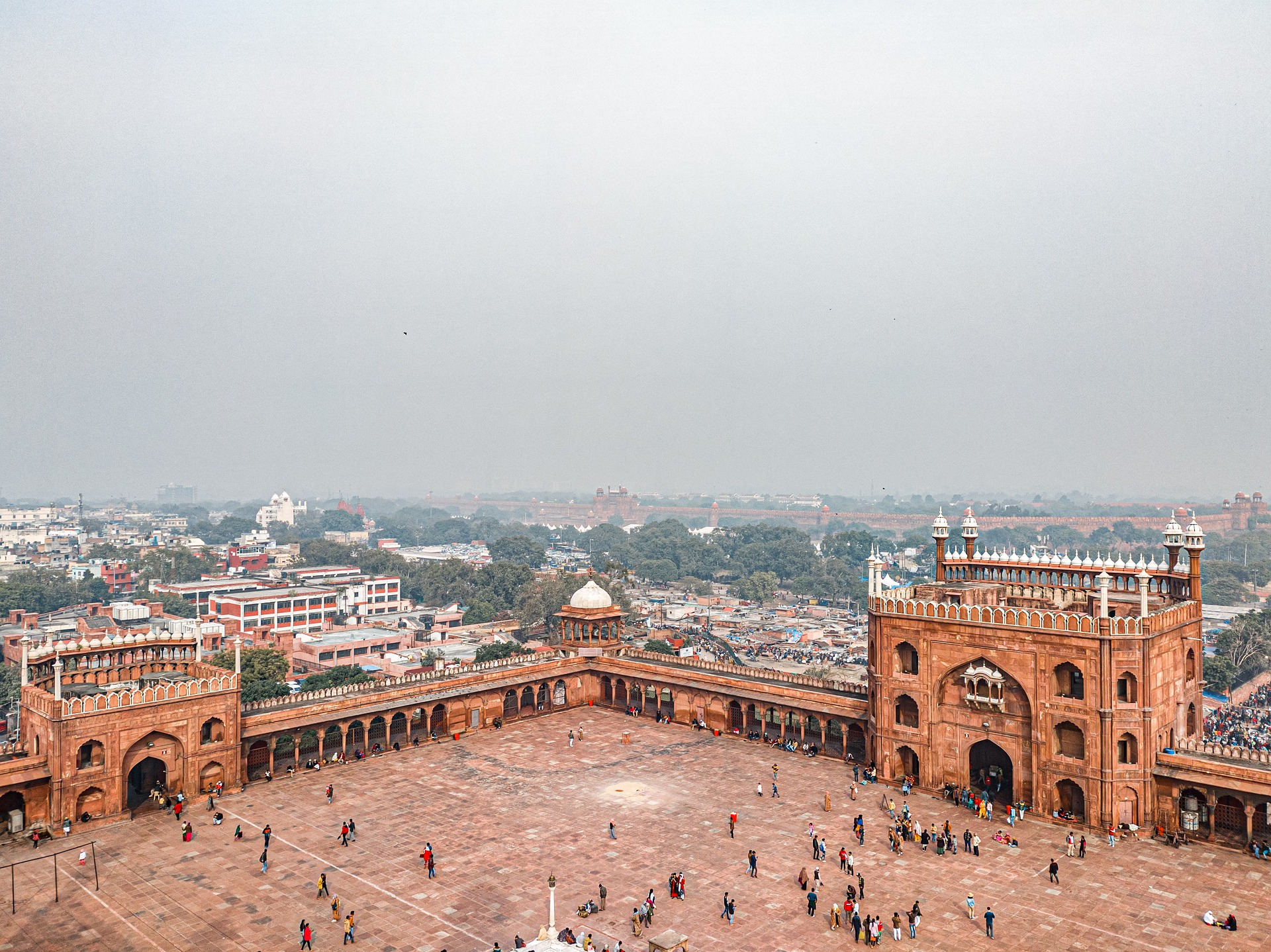
India is home to some of the world’s largest and fastest-growing cities. Mumbai is the country’s financial capital and the center of Bollywood, while Bangalore is known as India’s technology hub. Kolkata, Chennai, and Hyderabad are famous for their culture, cuisine, and historical importance.
Monetary unit: Rupee
Culture, Languages & Society
India is one of the world’s most culturally and linguistically diverse nations. With thousands of ethnic communities, multiple religions, and hundreds of spoken languages, the country reflects centuries of history, migration, and civilization.
Bharat (Republic of India)
Hindi & English
Republic Day — January 26
Hundreds of languages & traditions
Principal Languages Spoken in India
Hindi is the most widely spoken language in India, while English is commonly used in government, education, business, tourism, and national communication. India officially recognizes multiple regional languages, reflecting its vast cultural diversity.
Ethnic & Cultural Background
India’s population includes diverse ethnic groups and cultural communities. The largest groups are Indo-Aryan and Dravidian populations, alongside Tibetan, Mongoloid, tribal, and many regional communities spread across the country.
Religions in India
India is the birthplace of Hinduism, Buddhism, Jainism, and Sikhism. The country is home to people of many faiths, making religion an important part of daily life, festivals, architecture, and traditions.
Major Festivals
India celebrates colorful festivals throughout the year. Diwali, the Festival of Lights, and Holi, the Festival of Colors, are among the country’s most internationally recognized celebrations.
Get Travel Insurance Quote

Historical Background
India is the world’s most populous country and the seventh-largest by land area. Known for its ancient civilizations, rich traditions, and extraordinary cultural diversity, India has played a major role in global history, trade, religion, science, and philosophy.
Indus Valley Civilization dates back over 5,000 years
Gained independence from Britain in 1947
Mahatma Gandhi & Jawaharlal Nehru
Major center of culture, technology & economy
Ancient India
India is home to one of the world’s oldest urban civilizations — the Indus Valley Civilization — which flourished around the Indus River thousands of years ago. Ancient India contributed greatly to mathematics, astronomy, medicine, philosophy, literature, and spiritual traditions.
Empires & Colonial Era
Over centuries, India experienced the rise and fall of powerful kingdoms and empires including the Maurya, Gupta, Mughal, and Maratha empires. Trade routes attracted merchants and travelers from Arabia, Central Asia, and Europe.
Beginning in the 16th century, European powers established trading posts, with Britain eventually gaining political control over most of the subcontinent during the 19th century.
Independence & Modern India
India achieved independence in 1947 following a long nonviolent freedom movement led by Mahatma Gandhi and other national leaders including Jawaharlal Nehru.
After independence, British India was partitioned into two countries: India and Pakistan. In 1971, East Pakistan became the independent nation of Bangladesh.
India Today
Modern India is one of the world’s fastest-growing major economies and a global leader in technology, medicine, engineering, cinema, and space research.
At the same time, the country continues to address challenges such as environmental pressures, urban overcrowding, poverty reduction, infrastructure development, and regional political tensions.
BOOK THE BEST TOURS