

Country's codes
International phone code for Kazakhstan: +7
3 letters: KAZ
2 letters (internet domain): .KZ
Digital country code 398
Standard EAN-13 (country barcode): 487
 Olympic country code: KAZ
Travel Tips for Tourists
- Getting There: Kazakhstan is accessible via major international airports in Almaty and Astana (formerly Nur-Sultan). Many nationalities, including those from the EU, UK, US, and Australia, can enter visa-free for up to 30 days. Domestic travel is easy via trains, buses, and budget airlines.
- Best Time to Visit: The ideal seasons are spring (April to June) and autumn (September to October), offering mild weather and scenic landscapes. Summer is great for hiking in the mountains, while winter is best for skiing in resorts like Shymbulak near Almaty.
- Top Attractions:
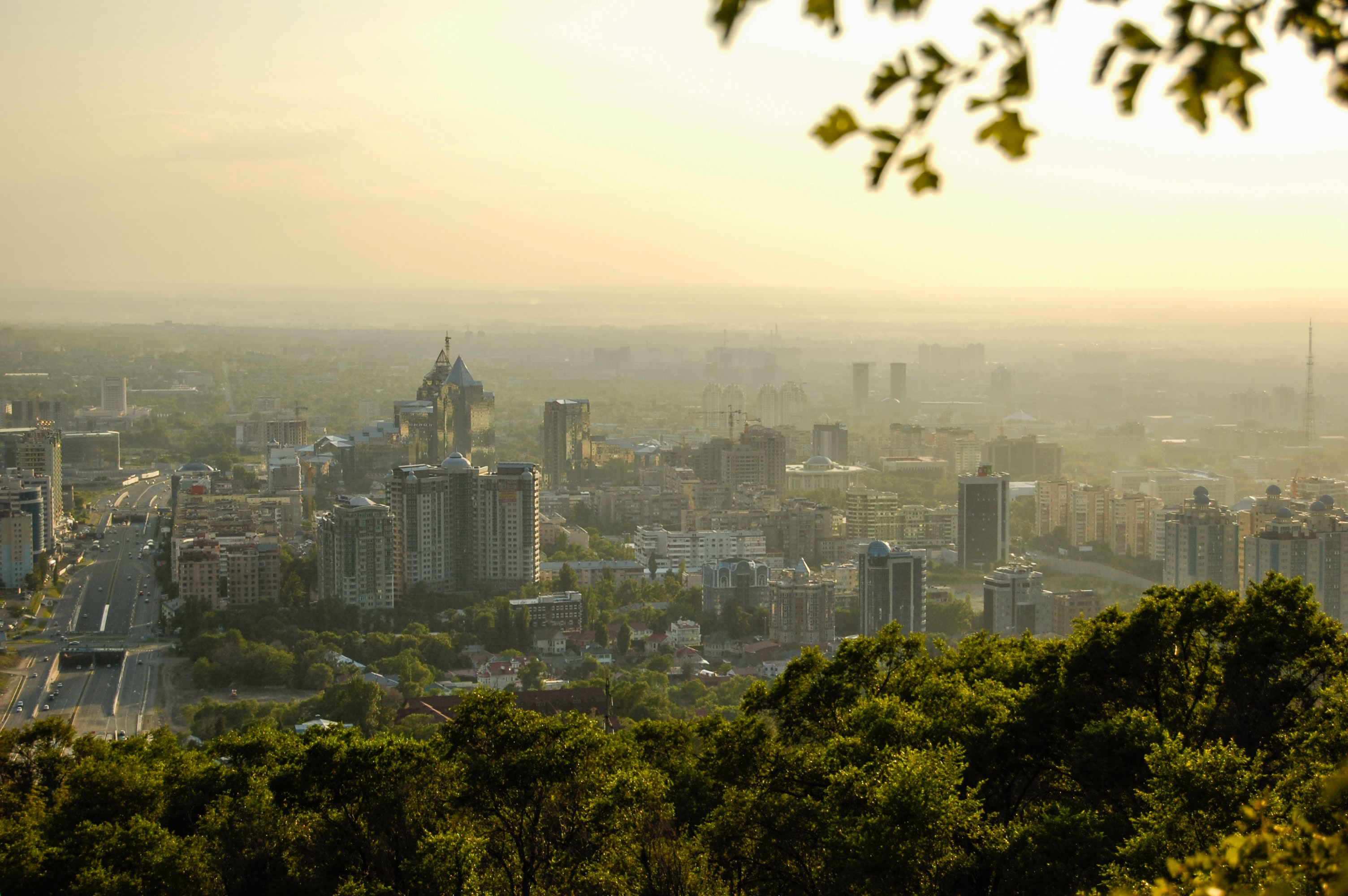
- Almaty – A vibrant city surrounded by mountains, known for its cafes, bazaars, and nearby nature escapes like Big Almaty Lake.
- Astana – The futuristic capital with landmarks like Baiterek Tower and the Palace of Peace and Reconciliation.
- Charyn Canyon – Often compared to the Grand Canyon, ideal for hiking and photography.
- Kolsai and Kaindy Lakes – Stunning alpine lakes perfect for trekking and camping.
- Turkistan – A historic Silk Road city with the Mausoleum of Khoja Ahmed Yasawi.
- Healthy Travel Advice:
- Recommended vaccinations include Hepatitis A and B, Typhoid, Rabies (for rural travel), MMR, DTP, and COVID-19.
- Tap water is safe in major cities but bottled water is recommended in rural areas.
- Altitude sickness may occur in mountainous regions—acclimatize gradually and stay hydrated.
- Use insect repellent to avoid tick-borne illnesses and mosquito bites.
- Medical facilities are good in cities but limited in remote areas. Travel insurance with medical evacuation is essential.
A Glimpse into Kazakhstan’s History
Kazakhstan’s history is deeply rooted in nomadic traditions and ancient civilizations. Early inhabitants included the Saka and Scythians, known for their warrior culture and horse-based mobility. The region later became part of the Mongol Empire under Genghis Khan and was ruled by the Golden Horde.
In 1465, the Kazakh Khanate was established, marking the beginning of a distinct Kazakh identity. By the 18th century, Kazakhstan was gradually absorbed into the Russian Empire, and later became part of the Soviet Union. During Soviet rule, Kazakhstan experienced industrialization, collectivization, and significant cultural repression.
Kazakhstan declared independence in 1991, becoming the last Soviet republic to do so. Since then, it has developed a unique national identity, balancing tradition with modernization and asserting its role on the global stage.
Current Political Landscape
Kazakhstan is a presidential republic led by President Kassym-Jomart Tokayev. His administration has introduced reforms aimed at digital transformation, political modernization, and economic diversification. Tokayev has emphasized limited presidential terms and institutional accountability, signaling a shift from past centralized governance.
Despite these reforms, challenges remain. Human rights organizations have criticized the government for restricting freedom of speech, peaceful assembly, and political opposition. Recent elections have been dominated by the ruling Amanat Party, with limited space for genuine opposition.
Geopolitically, Kazakhstan maintains a delicate balance between Russia, China, and Western powers. It continues to attract foreign investment, particularly in energy and mining, while navigating regional tensions and internal demands for transparency and justice.
Reference
Information compiled from travel guides, health advisories, historical archives, and current news reports on Kazakhstan’s political and cultural developments.
Useful country information
Total area: 1,049,150 sq mi (2,717,300 sq km)
Population (2022 est.): 19 million
Capital (2022 est.): Astana 1,212,000
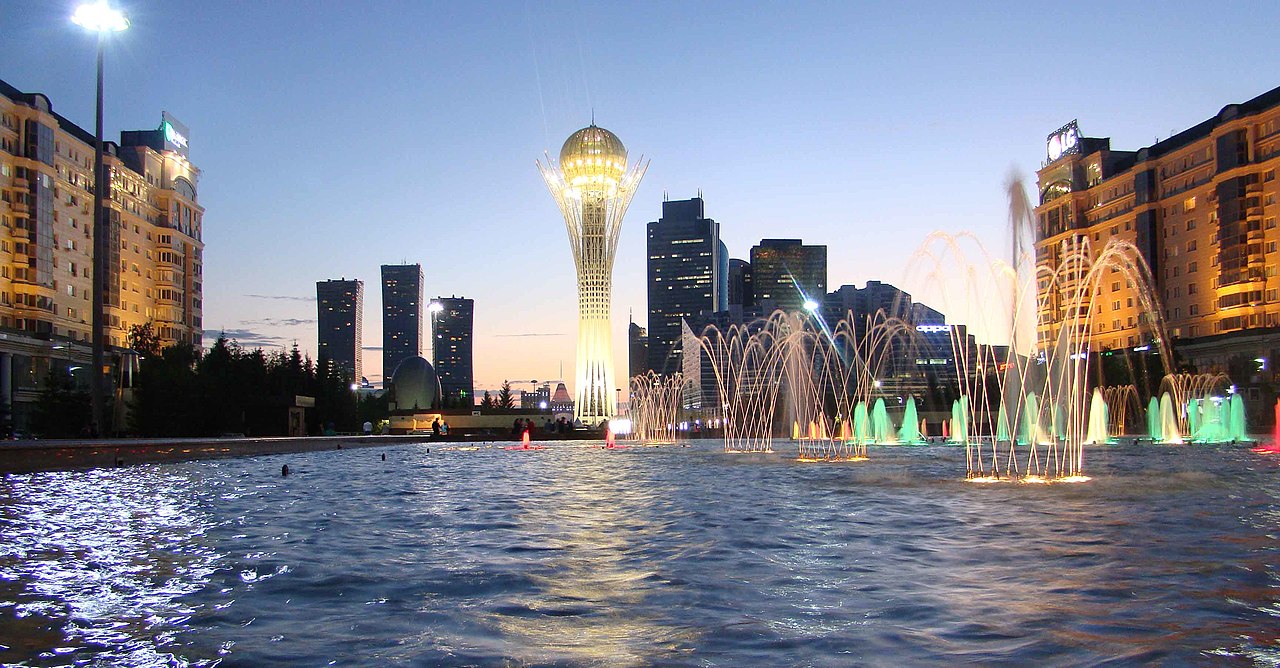
Astana: Capital City Profile
Monetary unit: Tenge
Languages: Kazak (Qazaq, state language) 64%; Russian (official, used in everyday business) 95% (2001 est.)
Ethnicity/race: Kazakh (Qazaq) 63.1%, Russian 23.7%, Uzbek 2.8%, Ukrainian 2.1%, Uighur 1.4%, Tatar 1.3%, German 1.1%, other 4.5% (2009 census)
Religions: Islam 47%, Russian Orthodox 44%, Protestant 2%, other 7%
National Holiday: Independence Day, December 16

Background:
Native Kazakhs, a mix of Turkic and Mongol nomadic tribes who migrated into the region in the 13th century, were rarely united as a single nation.
The area was conquered by Russia in the 18th century and Kazakhstan became a Soviet Republic in 1936.
During the 1950s and 1960s agricultural "Virgin Lands" program, Soviet citizens were encouraged to help cultivate Kazakhstan's northern pastures. This influx of immigrants (mostly Russians, but also some other deported nationalities) skewed the ethnic mixture and enabled non-Kazakhs to outnumber natives. Independence has caused many of these newcomers to emigrate.
Current issues include: developing a cohesive national identity; expanding the development of the country's vast energy resources and exporting them to world markets; and continuing to strengthen relations with neighboring states and other foreign powers.


Source of Information:


