List of e-visa countries.
What is the currency in use in the city of Kyoto? Yen
Value of $1 USD in JPY: Loading...
Discover Kyoto, Japan's cultural heart, where ancient temples, peaceful gardens, traditional neighbourhoods, and seasonal beauty create an unforgettable travel experience.
Kyoto Travel and Vacation Guide
 • Japanese Gardens
Kyoto served as Japan's imperial capital for more than a thousand years and remains one of the country's most important cultural destinations. Its temples, shrines, gardens, wooden townhouses, tea traditions, and seasonal celebrations offer visitors a fascinating introduction to historic Japan.
The city is best explored slowly. Instead of rushing between distant attractions, plan each part of the day around one neighbourhood and leave time to walk through Kyoto's quieter streets.
Top Attractions in Kyoto
Fushimi Inari Taisha
Walk through the famous rows of vermilion torii gates that extend up the forested slopes of Mount Inari. Visit early in the morning or later in the afternoon for a quieter experience, and wear comfortable shoes if you plan to continue beyond the lower shrine area.
Kinkaku-ji: The Golden Pavilion
Kinkaku-ji is one of Kyoto's most recognizable landmarks. Its gold-covered upper floors are reflected beautifully in the surrounding pond, creating one of the city's most memorable views.
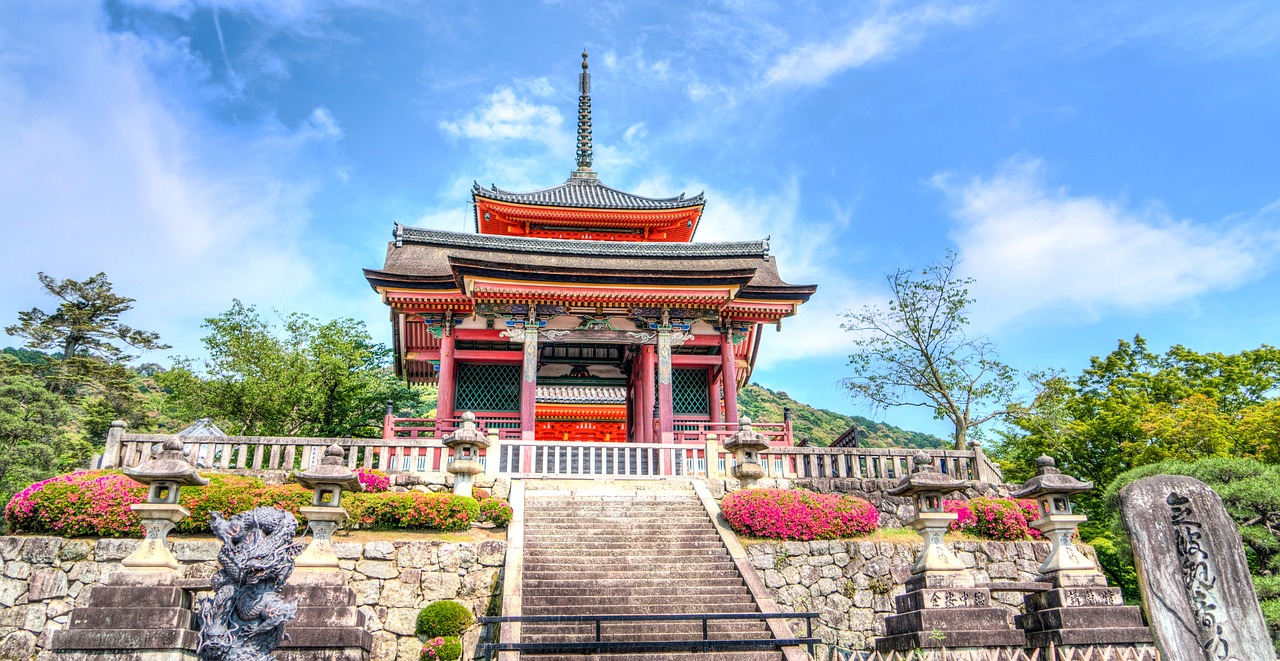
Kiyomizu-dera Temple
This historic hillside temple offers impressive views across Kyoto. Combine your visit with a walk through the traditional streets of Ninenzaka and Sannenzaka, where you will find cafés, craft shops, and traditional architecture.
Arashiyama
Arashiyama is known for its bamboo grove, riverside scenery, temples, and mountain views. Arrive early because the bamboo area becomes very busy later in the day. Allow additional time to explore Tenryu-ji Temple and the quieter streets beyond the main grove.
Gion and Higashiyama
Explore atmospheric streets lined with traditional wooden buildings, teahouses, restaurants, and small shops. Gion is a living neighbourhood rather than a theme park, so visitors should respect private property and avoid photographing geiko or maiko without permission.
Nijo Castle
Visit the former residence of the Tokugawa shoguns and explore its decorated rooms, defensive design, gardens, and famous floors that produce a sound when walked upon.
Cultural Experiences
- 🍵 Participate in a traditional Japanese tea ceremony.
- 👘 Wear a kimono while exploring historic neighbourhoods.
- 🧘 Experience Zen meditation at a Buddhist temple.
- 🎨 Learn about Kyoto pottery, textiles, fans, and traditional crafts.
- 🌿 Visit a Japanese garden and observe its carefully planned design.
- 🍱 Try a seasonal multi-course Kyoto meal.
What to Eat in Kyoto
Kyoto cuisine often emphasizes seasonal ingredients, careful presentation, and delicate flavours. Useful dishes and food experiences include:
- Kaiseki: A refined multi-course meal featuring seasonal ingredients.
- Yudofu: Gently heated tofu, commonly served near Buddhist temple districts.
- Obanzai: Traditional Kyoto-style home cooking using local and seasonal produce.
- Nishin soba: Buckwheat noodles served with sweet-simmered herring.
- Matcha: Green tea served as a drink or used in desserts and confectionery.
- Yatsuhashi: A popular Kyoto sweet available in baked and soft varieties.
Nishiki Market
Visit Nishiki Market to discover Japanese pickles, seafood, sweets, tea, spices, and local snacks. Avoid blocking the narrow walkway, follow vendors' instructions, and eat purchased food beside the shop rather than while walking.
Best Time to Visit Kyoto
🌸 Spring: March to May
Spring brings mild weather and famous cherry blossoms. This is one of Kyoto's busiest seasons, particularly from late March into early April, so accommodation should be booked well in advance.
☀️ Summer: June to August
Summer is hot and humid, with the rainy season generally occurring from June into July. Carry water, use sun protection, wear breathable clothing, and take regular breaks in shaded or air-conditioned places.
🍁 Autumn: September to November
Autumn offers comfortable sightseeing weather followed by colourful foliage. Popular temples and gardens become crowded when the autumn colours reach their peak.
❄️ Winter: December to February
Winter is cold but generally quieter. Visitors may enjoy less crowded temples, crisp morning scenery, and occasional snow around the city's historic landmarks.
Getting Around Kyoto
- 🚇 Use trains and the subway for attractions near railway stations.
- 🚌 City buses reach many temple districts but can become crowded.
- 🚶 Walking is often the best way to explore Gion and Higashiyama.
- 🚲 Bicycle rental can be useful in flatter areas, but park only in designated spaces.
- 💳 An IC transport card can simplify payment on many trains and buses.
- 🗺 Group nearby attractions together to avoid repeatedly crossing the city.
Suggested Three-Day Kyoto Itinerary
Day 1: Eastern Kyoto
Start at Kiyomizu-dera, walk through Sannenzaka and Ninenzaka, visit Yasaka Shrine, and finish the day in Gion.
Day 2: Northern and Western Kyoto
Visit Kinkaku-ji in the morning, then continue to Arashiyama for the bamboo grove, Tenryu-ji Temple, and riverside scenery.
Day 3: Southern and Central Kyoto
Visit Fushimi Inari early, explore Nishiki Market around lunchtime, and spend the afternoon at Nijo Castle or the Kyoto Imperial Palace area.
Responsible Tourism and Local Etiquette
- Respect signs marking private streets, homes, gardens, and photography restrictions.
- Do not photograph geiko, maiko, monks, or residents without permission.
- Keep noise low in temples, shrines, and residential neighbourhoods.
- Do not block streets, doorways, bus stops, or temple entrances.
- Carry your rubbish until you find an appropriate disposal point.
- Wear clothing that is respectful when visiting religious sites.
- Remove shoes whenever requested before entering traditional buildings.
Kyoto Travel Health Tips
- Carry water and take regular breaks during hot and humid weather.
- Use sunscreen, a hat, and lightweight clothing during summer sightseeing.
- Wear supportive footwear because temple visits often involve long walks and steps.
- Carry personal medicines in their original packaging with a copy of your prescription.
- Check current entry requirements and travel insurance coverage before departure.
- Seek medical advice promptly if you develop serious illness during your trip.
Kyoto Traveler's Tip
⛩️ Start Early • 👟 Walk Comfortably • 🍵 Slow Down • 📷 Respect Local Rules
Allow at least three full days to experience Kyoto's main attractions. If your schedule permits, stay longer and include day trips to Uji for matcha and Byodo-in Temple, Nara for historic temples and parks, or Osaka for food and nightlife.