Lomé Weather
LOMÉ WEATHERAbout Lomé
Lomé is the capital and largest city of Togo — a narrow, finger-shaped West African nation squeezed between Ghana to the west, Benin to the east, and Burkina Faso to the north, with a short but commercially significant Atlantic coastline that gives the country its only seaport and its economic lifeline. Situated on the Gulf of Guinea at the southwestern tip of the country, almost exactly on the border with Ghana, Lomé occupies a flat coastal site where the Atlantic surf meets the broad, sandy beach that runs the full length of the city's seafront and gives Lomé one of its most distinctive and most immediately striking geographical features: a capital city where the beach is not a leisure destination on the outskirts but a living, working environment integrated into the fabric of daily urban life — where fishermen launch their brightly painted dugout canoes through the Atlantic surf within sight of the government ministries and international hotels, and where the rhythms of fishing, trading, and city life coexist with an intimacy unique in West Africa. Lomé is one of only two capital cities in the world situated on a national border — the Ghana–Togo border crossing runs through the city's western suburbs, making Lomé simultaneously a Togolese capital and a trans-border commercial hub of considerable regional importance. Founded as a trading settlement in the 19th century, Lomé became the capital of German Togoland in 1897, was transferred to French administration after World War I under a League of Nations mandate, and became the capital of independent Togo in 1960. Today, Lomé is a city of approximately 845,000 people — vibrant, compact, and surprisingly cosmopolitan — whose Grand Marché (the largest market in West Africa by some estimates), magnificent fetish market (the most important voodoo artefact market on the continent), and animated Atlantic beachfront create a uniquely engaging and deeply West African urban environment that rewards the visitor who engages with it on its own terms.
Best Time to Visit Lomé & Weather Guide
Lomé has a tropical savanna climate with four seasons rather than the simple two-season wet/dry pattern of more westerly West African capitals — a pattern shaped by Togo's position at the eastern edge of the Gulf of Guinea where the ocean's influence modifies the standard equatorial climate and creates an unusually complex seasonal rhythm. Temperatures remain warm year-round (26–34°C), but humidity, rainfall, and cloud cover vary significantly between seasons.
☀️ Main Dry Season (November–March)
The finest and most comfortable season for visiting Lomé — low humidity, abundant sunshine, and the warm, pleasant temperatures (26–33°C) of the Harmattan season, when the dry northeast wind from the Sahara blows a fine haze of warm dust across the city, softening the light and reducing humidity to its annual minimum. December and January represent the heart of the dry season: the Atlantic beach is at its most accessible, the Grand Marché is at its most vibrant as the pre-Christmas and Tabaski trading season peaks, and the city's outdoor café and restaurant culture is at its most enjoyable. The dry season is the ideal time for the Lomé beach, the fetish market, day trips to the Voodoo villages of the surrounding coast, and the long drives north to the cooler hill country of the Atakpamé and Kpalimé regions. January–February sees the Harmattan at its most intense — a warm, dusty, slightly surreal quality to the light that photographers and artists find particularly compelling. The best season for cultural festivals, local market activity, and the full range of outdoor experiences that Lomé and its surroundings offer.
Best Time to Visit🌧️ Long Rainy Season (April–July)
Lomé's main rainy season brings the southwest monsoon and a significant increase in rainfall and humidity — April to July sees regular afternoon and evening thunderstorms of considerable intensity, with monthly rainfall peaking at 150–200mm in June. The rains are rarely continuous (as in Sierra Leone or Guinea) but the afternoon downpours can be heavy and disruptive to outdoor activities. The city's vegetation is at its most intensely green during the rainy months, the markets are well-stocked with the produce of the agricultural hinterland, and hotel prices are lower than in the dry season. The beach during the rainy season is active but the sea can be rough, with dangerous surf conditions making swimming inadvisable at some stretches of the Lomé beachfront. Despite the rains, Lomé's compact city centre, excellent markets, and indoor cultural attractions remain fully accessible and enjoyable — the fetish market and Grand Marché, for example, operate regardless of weather. The long rainy season is viable for visitors focused on cultural and market experiences rather than beach activities.
Green Season🌤️ Short Dry Season (August)
Lomé experiences a brief but significant interruption to the rainy season in August — a short dry season of approximately 4–6 weeks in which rainfall drops dramatically, the sky clears, and temperatures moderate slightly (25–30°C) in what is one of the most pleasant and most underappreciated times to visit the city. The August dry spell coincides with school holiday travel from neighbouring Ghana and Benin, and the beaches and markets of Lomé are lively with West African domestic tourists. The cooler, clearer conditions of August make the day trips north to Kpalimé and Atakpamé particularly attractive — the waterfalls of the Kpalimé region are running strongly after the long rains. August is an excellent value month — lower international visitor numbers, reasonable hotel prices, and genuinely comfortable outdoor conditions combining to create an often overlooked but very rewarding window for Lomé visits.
Short Dry Spell🌦️ Short Rainy Season (September–October)
The second, shorter rainy season of October–November brings another increase in rainfall (typically 50–100mm per month) before the main dry season resumes in November. October is one of the wettest months after June, with regular afternoon rains but generally manageable conditions for city-based activities. The transitional quality of October–November — the rains easing, the vegetation lush, the light becoming clearer — creates a gradually improving visitor experience as November approaches. October can be an excellent time for travellers seeking lower hotel prices and a more authentic, less tourist-oriented experience of the city — the fetish market, the Grand Marché, and the beachfront are all operating at full intensity regardless of the occasional afternoon shower, and the accommodation and tour infrastructure of Lomé is at its most responsive and most hospitable in the pre-season months before the December–January peak. For budget travellers and those with flexible schedules, October–November offers genuine value and an unhurried quality of engagement with Lomé's cultural and commercial life that the peak dry season cannot match.
Transitional SeasonDry Season (Nov–Mar): Lightweight cotton clothing — Lomé is warm year-round. High-factor sunscreen (SPF 50+) essential for beach days. Insect repellent (DEET-based) important for malaria prevention — Togo is a malaria-endemic area. Comfortable walking shoes for the Grand Marché's dense, sometimes muddy aisles. A light scarf or shawl for women visiting mosques or traditional religious sites. Swimwear for the Atlantic beach.
Rainy Season (Apr–Jul, Sep–Oct): Quick-dry clothing; a compact umbrella or lightweight rain jacket for afternoon showers; waterproof sandals for wet market aisles and streets.
Year-round essentials: Togo uses Type C and E plugs (the same as France and most of continental Europe) at 220V/50Hz — UK visitors need an adaptor; US visitors need both adaptor and voltage converter. Malaria prophylaxis is strongly recommended — consult your doctor before travel. Yellow fever vaccination is required for entry to Togo. Cash in CFA Franc (XOF) is essential — ATMs are available in central Lomé but card acceptance is limited outside hotels. Travel insurance with medical evacuation cover is recommended. French is the language of business and administration — basic French phrases are helpful; few English speakers outside the main hotels.
Top Attractions in Lomé
Lomé rewards visitors with a compelling and distinctive West African urban experience — the largest voodoo fetish market in the world, one of the great markets of sub-Saharan Africa, an animated Atlantic beachfront, and a French colonial city centre of considerable charm make this one of the most genuinely surprising and most underrated capitals in the region.
🦴 Marché des Féticheurs — Voodoo Fetish Market
The most extraordinary and most unique market in West Africa and one of the most remarkable commercial spaces anywhere on the African continent — the Marché des Féticheurs (Fetish Market), located in the Akodésséwa district on the northeastern edge of Lomé, is the largest and most comprehensive market for Vodun (voodoo) ritual materials in the world: an open-air market of approximately 400 stalls where the dried remains of hundreds of animal species — skulls, skins, claws, feathers, and whole dried bodies of birds, reptiles, mammals, and marine creatures — are displayed alongside medicinal roots, bark, seeds, powders, and the material objects of traditional Togolese and Beninois Vodun practice. The market supplies fetisheurs (traditional healers and Vodun priests) from across West Africa and the diaspora with the ingredients for healing ceremonies, protective charms, fertility rituals, and the full spectrum of traditional spiritual practice that remains deeply embedded in the daily life of southern Togo and Benin. A local guide is strongly recommended — both for navigating the market and for introducing you respectfully to the fetisheurs who can explain the significance of specific objects and preparations. The experience is simultaneously anthropologically fascinating, visually extraordinary, and personally confronting — one of the most memorable and most distinctively West African experiences available anywhere in the region.
Most Unique in West Africa🛒 Grand Marché — The Great Market
The commercial heart of Lomé and one of the great markets of sub-Saharan Africa — the Grand Marché (Great Market) of Lomé, occupying a massive multi-storey building and the surrounding streets in the city centre, is one of the largest and most diverse urban markets in West Africa: an overwhelming sensory environment of extraordinary commercial vitality where thousands of traders sell fabric (the brilliant wax-print textiles of West African fashion — pagne fabric in every conceivable colour and pattern, stacked in towering bolts and displayed on market women of formidable commercial acumen), food (tropical fruits, vegetables, spices, smoked fish, dried goods), household items, electronics, traditional craft objects, and an enormous range of goods serving the daily needs of a West African city and its regional hinterland. The Grand Marché is famously dominated by the Nana Benz — the wealthy Ewe women traders who have controlled the fabric trade of Lomé's market since the colonial era and who built their fortunes selling Dutch wax-print fabric to West Africa's growing urban populations, driving the Mercedes-Benz vehicles that gave them their legendary name. Shopping for fabric, traditional craft objects, and local products in the Grand Marché is the most immersive and most characteristically Lomé commercial experience available.
Great West African Market🏖️ Lomé Beachfront & Boulevard du Mono
The most distinctive and most immediately striking feature of Lomé's urban geography — the city's long Atlantic beachfront, running parallel to the Boulevard du Mono (the coastal boulevard that serves as Lomé's principal leisure and entertainment strip), integrates working beach, fishing community, tourist beach, and city promenade into a single linear landscape of extraordinary vitality. The beach itself — a broad expanse of dark-golden Atlantic sand — is simultaneously the workplace of the Lomé fishing community (the pêcheurs who launch their brightly painted wooden pirogues through the surf at dawn and return in the late afternoon with catches of barracuda, sole, and snapper) and a leisure space of considerable animation, with beach bars, hammocks, massage vendors, and the social energy of a West African urban beach at full intensity. The Hotel du Golfe, Hotel Ibis, and the beachfront restaurants and bars of the Boulevard du Mono provide the most atmospheric dining and drinking settings in the city — cold Flag beer and grilled brochettes at a beachfront table, watching the pirogue fishermen returning through the surf at sunset, is one of the defining Lomé experiences. The beach is at its finest in the dry season (November–March) when the surf is manageable and the evening light on the Atlantic is spectacular.
City & Beach Life🏛️ National Museum of Togo
The most important repository of Togolese cultural heritage and the essential introduction to the extraordinary diversity of the country's ethnic and cultural traditions — the National Museum of Togo, located in the Place de l'Indépendance area of central Lomé, houses a collection encompassing traditional artefacts from the major ethnic groups of the country: the Ewe of the south (whose Vodun tradition, kente-style woven cloth, and distinctive bronze casting represent some of the finest traditional arts in West Africa); the Kabiyé of the north (whose traditional initiation ceremonies, agricultural tools, and musical instruments reflect the very different cultural world of the savanna north); and the numerous smaller ethnic groups of the central plateaux. The museum's collection of traditional masks, ceremonial objects, musical instruments, and textiles provides an invaluable contextual framework for understanding the cultural complexity that visitors encounter in the markets and streets of Lomé. A particular highlight is the collection relating to the German colonial period (1884–1914) — Togo was Germany's model colony (Musterkolonie), considered the most efficiently and most lightly governed of Germany's African possessions, and the colonial-era photographs and documents in the museum collection provide a fascinating perspective on this largely forgotten chapter of West African history.
Cultural Heritage🏛️ Palais de Lomé & Independence Square
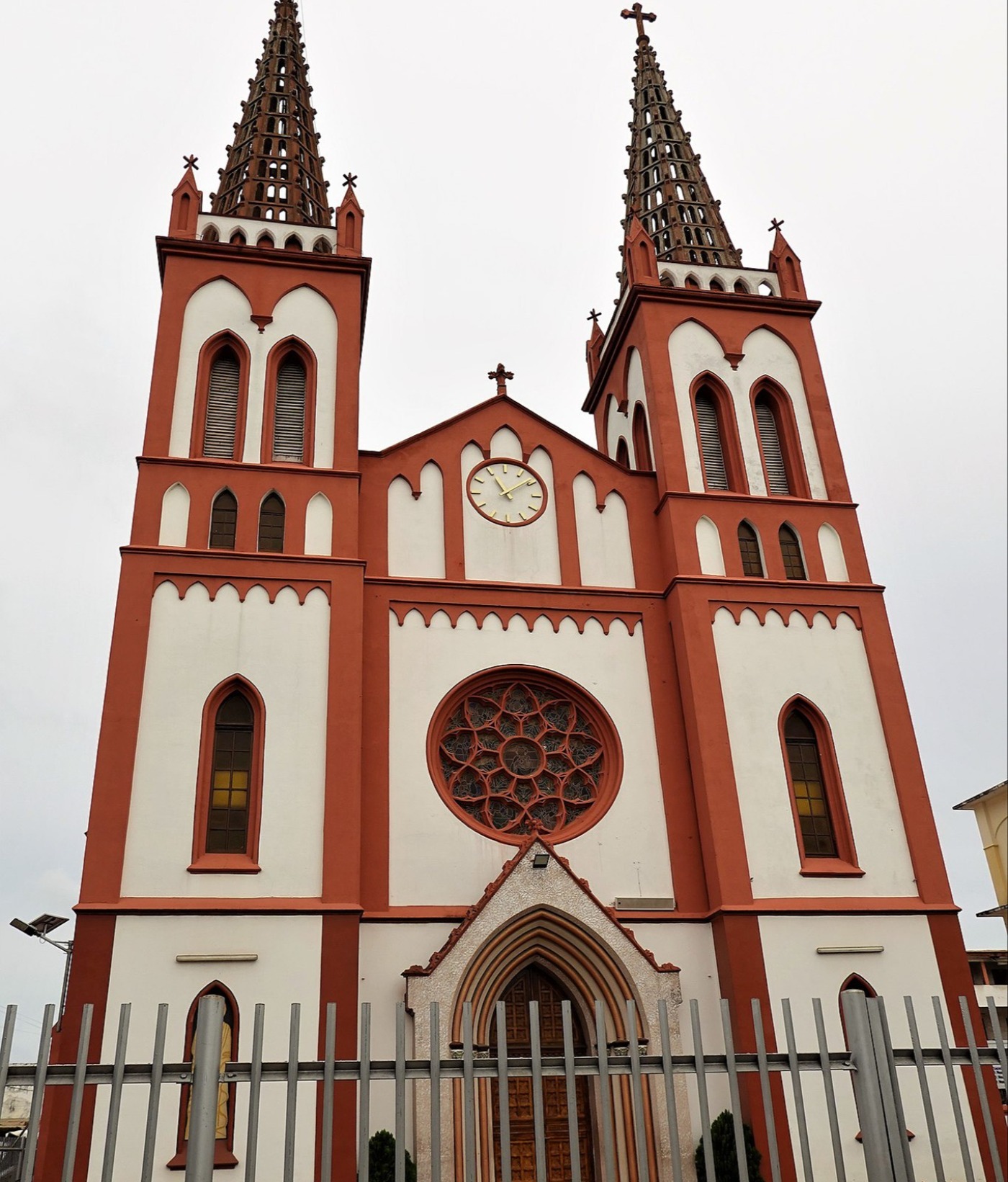
The most architecturally significant colonial building in Lomé and the finest example of German-era tropical colonial architecture in West Africa — the Palais de Lomé, originally built as the residence of the German colonial governor in 1904 and subsequently used as the presidential palace of independent Togo, occupies a magnificent garden setting on the Boulevard de la République overlooking the Gulf of Guinea. Restored and opened as a cultural centre and museum after its decommissioning as a presidential residence, the Palais de Lomé offers guided tours of its beautifully preserved colonial-era rooms — a remarkable time capsule of late Wilhelmine German tropical architecture, with its wide verandahs, high-ceilinged reception rooms, and the extraordinary garden of tropical trees and flowering plants that has grown to extraordinary maturity over a century. The adjacent Place de l'Indépendance — Lomé's grand ceremonial square, flanked by the government ministries in their colonial-era buildings, the national cathedral, and the Independence Monument — is the most formally impressive public space in the city and the venue for national celebrations and official ceremonies. The square's fountains, evening illumination, and the social life of Lomé's promenading families on weekend evenings provide a surprisingly elegant and animated urban scene.
Colonial Architecture & History🦎 Togoville — Voodoo Village & Lake Togo
The most historically significant and most culturally resonant village accessible from Lomé, and an essential half-day or full-day excursion for visitors interested in Togolese traditional culture and the history of German colonialism in West Africa — Togoville, a small lakeside village on the northern shore of Lake Togo approximately 35km east of Lomé, was the site of the treaty signing in July 1884 between the German explorer Gustav Nachtigal and the Ewe chief Mlapa III that established German sovereignty over Togoland — the founding moment of German colonialism in Togo. The village retains a remarkable atmosphere of traditional Ewe life: its lakeside position (accessible by a short dugout canoe crossing from the road at Togoville), its Vodun shrines and sacred groves, its 19th-century Catholic cathedral (home to a celebrated statue of the Virgin Mary that, according to local tradition, was miraculously found floating on Lake Togo), and the exceptional quality of the traditional craft objects produced by Togoville's artisans create a uniquely layered and historically resonant destination. The lake crossing by pirogue, the village's extraordinary historical depth, and the opportunity to visit functioning Vodun shrines with a respectful local guide make Togoville the finest and most memorable half-day excursion from the Togolese capital.
Sacred Village & Lake🌿 Kpalimé — Waterfalls & Butterfly Country
The finest natural destination accessible from Lomé and one of the most beautiful landscapes in West Africa — Kpalimé (pronounced Palimé), a small town in the forested hills of the Plateaux Region approximately 120km north of Lomé, is the heart of Togo's most spectacular scenery: a landscape of rounded, densely forested mountains rising to 1,000m, dramatic waterfalls (the Chutes de Kpimé and the Chutes d'Akloa are the most spectacular), and the extraordinary butterfly biodiversity that gives the region its informal designation as the butterfly capital of West Africa — over 600 species have been recorded in the Kpalimé forest zone, including numerous endemics and regionally significant species. The Mont Agou (986m — the highest point in Togo), visible from the Kpalimé hills and accessible by a guided hike, provides panoramic views across the forest landscape to the Atlantic in the south and the savanna plains of the north. Kpalimé is best visited as an overnight excursion from Lomé — the 2-hour drive on a reasonable road passes through the interesting towns of Notsé and Atakpamé, and the town itself offers basic but adequate guesthouse accommodation and an excellent Saturday market of traditional crafts and agricultural produce.
Mountains & Waterfalls🎨 Artisanat du Bénin & Craft Markets
The finest and most accessible concentration of traditional Togolese crafts and the best place in Lomé to purchase quality traditional objects directly from the artisans who produce them — the Village Artisanal de Lomé (Lomé Crafts Village), located on the Boulevard du Mono near the Hotel du Golfe, assembles a permanent cooperative of Togolese craftspeople producing and selling work in the full range of traditional Togolese and West African craft disciplines: bronze casting in the cire perdue (lost-wax) tradition of the Ewe smiths; hand-woven kente-style strip cloth on traditional narrow-band looms; pottery from the female potters of the interior; leather goods in the Hausa tradition of the north; and the carved wooden objects — masks, figures, stools, and household implements — of the forest traditions of southern Togo. The Village Artisanal prices are fixed and reasonable, the quality is generally higher than at the Grand Marché, and the opportunity to watch craftspeople at work in their open workshops adds an educational dimension to the shopping experience. The Marché des Artisans (Artisans' Market) on the road to the fetish market also offers a good range of traditional craft objects at negotiable prices in a lively, characteristically West African market atmosphere.
Traditional Crafts & ArtLocal Food Recommendations
Lomé's food scene reflects the city's position at the intersection of Ewe and Mina coastal cooking traditions, the French colonial culinary legacy, and the commercial cosmopolitanism of a significant West African port city — a cuisine that is simultaneously deeply rooted in the traditional food culture of the Gulf of Guinea coast and surprisingly sophisticated in its French-influenced restaurant culture.
🍽️ Must-Try Lomé Dishes
- Fufu and Palm Nut Soup (Abenkwan) — the most important dish in southern Togolese and Ewe cooking, and one of the great soups of West Africa: a rich, deeply flavoured broth made from the cracked and boiled nuts of the oil palm, the extracted orange-red palm cream enriched with smoked fish (momone — fermented, strongly flavoured dried fish that serves as the flavour backbone of much Ewe coastal cooking), fresh fish or meat, vegetables, and eto (fermented locust bean) to create a soup of extraordinary depth and complexity. Served with fufu — the smooth, dense dough of pounded cassava or plantain, shaped into balls and torn to scoop the soup — palm nut soup and fufu is the archetypal Ewe meal, found at every traditional restaurant and home kitchen in Lomé, served in an earthenware bowl with the soup poured over the fufu at the table. Eaten with the right hand, in the traditional manner, it is simultaneously a food and a cultural act.
- Akumé and Akoumé — the starch staples of southern Togo: akumé (pâte de maïs — a smooth, dense, slightly fermented cornmeal dough cooked in large pots and served in portions wrapped in banana leaves) and akoumé (the cassava equivalent) are the daily bread of Lomé's working-class population, serving as the carbohydrate foundation for the city's soups, stews, and sauces. Sold by street vendors throughout the city in banana-leaf parcels for XOF 100–200 (USD 0.15–0.30) each, accompanied by the grilled fish, pepper sauce, and vegetable stew of the street food vendor's daily menu, akumé provides the most affordable and most authentically local eating experience available in Lomé.
- Brochettes and Grilled Fish — the dominant street food of Lomé's beachfront and market areas: brochettes (skewered meat — beef, mutton, or chicken — marinated in a spiced paste and grilled over charcoal) are the most universal street food in Francophone West Africa and appear at every outdoor food stall, market entrance, and roadside grill in Lomé from late afternoon until midnight. The finest brochettes in the city are found at the evening grills of the Boulevard du Mono and the beachfront bar strip — eaten with fresh baguette (Lomé has excellent French-style bread, a direct legacy of the colonial period), sliced raw onion, and the ferociously spiced chilli sauce (piment) that accompanies all street food in Togo. Fresh grilled fish — barracuda, sole, and tilapia from the Atlantic and the inland lagoons — grilled whole over charcoal and served with pâte and chilli sauce at the beachfront fish grills, is the finest and most characteristically Lomé seafood experience at very modest cost.
- Riz sauce (Rice with sauce) — the most widely consumed daily meal in Lomé and the backbone of the city's chop house and street canteen culture: steamed or boiled rice (riz) topped with one of several traditional West African sauces — sauce d'arachide (groundnut sauce — roasted peanuts ground into a paste and cooked with tomatoes, onion, and smoked fish into a rich, protein-dense sauce of considerable comfort), sauce graine (palm nut sauce), sauce gombo (okra sauce — thickened with the natural mucilage of fresh okra and seasoned with smoked fish and dried shrimp), or sauce tomate (a lighter tomato and onion sauce) — provides an complete and nutritious meal for XOF 500–1,500 (USD 0.80–2.50) at any of the street canteens and informal restaurants scattered throughout the city.
- Yovo doko (Beignets) — the most beloved street snack in Lomé and the quintessential Togolese street food: yovo doko (literally "white people's dough" in Ewe — a name that reflects the French colonial origin of the recipe) are deep-fried dough balls, similar to doughnuts, sold hot from large communal frying pans by street vendors throughout the city from early morning. Eaten plain with a small bag of sucre (granulated sugar) for dipping, or with a hot cup of Lipton tea or Nescafé, yovo doko provides the most characteristic and most universally consumed Lomé breakfast at XOF 50–100 (USD 0.07–0.15) per piece. Finding a street vendor's frying pan of fresh yovo doko and eating them hot, standing on the pavement with a tea glass in hand in the early morning light of Lomé's city centre, is one of the most simple and most genuinely pleasurable food experiences the city offers.
🍺 Drinks & Social Culture
- Flag Beer — the most popular commercial beer in Togo and the dominant presence at Lomé's beachfront bars, restaurants, and informal drinking spots: Flag (brewed in Lomé by the Brasserie du Bénin, now a Castel Group subsidiary) is a clean, cold, highly carbonated West African lager of considerable refreshing quality in the Lomé heat — the cold Flag at a beachfront table, with the Atlantic surf in the background and a plate of brochettes on the table, is one of the most quintessentially Lomé social experiences. Pils beer (also from Brasserie du Bénin) and Awooyo (a locally produced malt beer) are alternatives widely available throughout the city. Cold Flag in a small street bar — the maquis (an informal West African bar-restaurant of considerable social importance in Francophone Africa, typically a few plastic tables under a corrugated iron roof, operated by a single woman who cooks, serves, and controls the social atmosphere with equal authority) — costs XOF 500–800 (USD 0.80–1.30) and provides the most authentic social experience in Lomé.
- Sodabi — the local palm wine distillate and the traditional spirit of southern Togo: sodabi, distilled from fermented palm wine in artisan stills throughout the villages and small towns of southern Togo, is a clear, fiery spirit of variable alcoholic content (typically 40–60% ABV) that serves as the lubricant of social gatherings, traditional ceremonies, and the daily social life of the Ewe communities of the coast. Sold at neighbourhood spirit stalls for XOF 100–300 (USD 0.15–0.50) per small glass, sodabi is an acquired taste — sharp, slightly oily, with the faint sweetness of its palm wine origin — and an integral part of the social fabric of Togolese community life.
- Palm wine (Vin de palme) — the traditional fermented sap of the oil palm, collected fresh each morning and sold at neighbourhood palm wine bars and road-side stalls throughout Lomé's residential areas: fresh palm wine (vin doux) — collected that morning and still lightly fermented, gently sweet and effervescent, with an alcohol content of 2–4% — is one of the most refreshing and most characteristically West African beverages available at minimal cost. The afternoon palm wine bar (bar vin de palme), typically a collection of wooden benches under a palm-thatch roof in a residential compound, is one of the most genuinely social and most authentically Togolese environments available to the visitor prepared to seek it out.
- Café Touba and Nescafé — Lomé's morning beverage culture reflects its Francophone inheritance: hot Nescafé (instant coffee with condensed milk, served in a glass — the standard breakfast drink of Francophone West Africa) and café Touba (a spiced Senegalese-origin coffee infused with selim pepper and djakhate — a spice blend of considerable character) are available at every street breakfast stall and café in the city, accompanied by a fresh baguette with butter and jam or the ubiquitous yovo doko. The French colonial legacy in Lomé's food culture is nowhere more evident than in the quality and availability of fresh bread — Lomé has a genuine boulangerie culture, and the fresh baguette available from street stalls and bakeries throughout the city from 6am is one of the unexpected pleasures of the Togolese capital.
🍽️ Where to Eat — Local Tips
- Le Galion Restaurant (Boulevard du Mono) — the finest and most atmospheric seafood restaurant in Lomé, occupying a beachfront terrace position of extraordinary charm directly on the Atlantic, where fresh grilled fish (barracuda, capitaine, sole), grilled lobster, and prawn brochettes are served at tables literally on the beach sand with the Atlantic surf metres away. A complete seafood dinner with cold Flag beer costs XOF 8,000–18,000 (USD 13–29) per person — moderate by international standards and exceptional value for the quality of the product and the unmatched setting. Reservations recommended for dinner in the dry season peak months.
- La Terrasse (Rue du Commerce) — Lomé's most reliable and most popular French-West African restaurant in the city centre, serving a menu of Togolese specialities (fufu and palm nut soup, rice and groundnut sauce, grilled fish) alongside French dishes (steak frites, omelettes, crêpes) at prices of XOF 3,000–8,000 (USD 5–13) per main course. Popular with the expatriate community, NGO workers, and Togolese professionals — a reliable, consistently good option for lunch and dinner in the city centre at moderate prices.
- Street canteens — Quartier Administratif and market areas — for the most affordable and most authentically local Lomé dining experience, the street canteens operated by market women throughout the city centre and market areas serve fufu and palm nut soup, rice and sauce, brochettes, and fresh grilled fish at prices of XOF 500–2,000 (USD 0.80–3.20) per complete meal. The canteens around the Grand Marché and the Artisans' Market are particularly good for lunchtime eating — the food is freshest at midday when the day's cooking is at its peak. Look for the stalls with the longest queues of local workers and market traders — the queue is the most reliable indicator of quality.
- Maquis bars — residential neighbourhoods — for the most genuinely social and most characteristically Francophone West African eating and drinking experience, the maquis bars of Lomé's residential neighbourhoods (Bé, Nyékonakpoè, Adéwi) serve cold Flag beer, grilled brochettes, fried yam, and the daily specials of the patronne's home cooking in an atmosphere of informal, warm, local hospitality that is completely different from the tourist-facing restaurants of the Boulevard du Mono. A cold beer and a plate of brochettes in a neighbourhood maquis costs XOF 1,500–3,500 (USD 2.40–5.70) and provides the most genuine and most personally memorable evening in Lomé.
- Les Boulangeries — bakeries throughout the city — Lomé's French boulangerie culture is one of the most enjoyable and least expected pleasures of the city: fresh baguettes, croissants, pain au chocolat, and a variety of local bread specialities are produced by bakeries throughout the city from early morning — the quality is genuinely excellent, reflecting both the French colonial legacy and the competitive commercial culture of Lomé's food retail sector. A fresh baguette costs XOF 150–200 (USD 0.24–0.32) and is available from boulangeries and street bread vendors at virtually every street corner in the city centre. Eaten with fresh butter and local honey or the brilliant fruit jams produced from the tropical fruits of the Togolese hinterland, it is one of the simplest and most satisfying breakfasts available in West Africa.
🎭 Arts, Culture & Nightlife
- Lomé's cultural life is anchored by the extraordinary richness of Ewe traditional arts — the Ewe dance and drumming traditions of southern Togo, which include the agbadza (a communal dance of great rhythmic complexity performed at funerals, festivals, and community celebrations), the adevu (hunting dance), and the ceremonial dances associated with the Vodun tradition, represent some of the most sophisticated and most musically complex performance traditions in West Africa. Traditional music and dance performances are accessible at cultural centres, tourist hotels, and community festivals throughout the year — the annual Evala wrestling festival in northern Togo (June–July, among the Kabiyé people) and the Voodoo Festival (10 January — Togo's national Vodun holiday) are the most spectacular and most culturally significant cultural events on the Togolese calendar.
- Lomé's nightlife is concentrated along the Boulevard du Mono and in the residential neighbourhood bars of Bé and Nyékonakpoè — the beachfront bars and outdoor clubs of the Boulevard operate from late evening until the early hours, playing a mix of afrobeats, coupé-décalé (the Ivorian-origin dance music dominant in Francophone West Africa), Togolese tchamasse rhythms, and international pop. The Village du Bénin and various waterfront nightclubs are the most popular late-night venues with both the Lomé middle class and the city's international community. Entry costs XOF 2,000–5,000 (USD 3.20–8) at the more established venues; neighbourhood bars have no cover charge.
- Lomé's contemporary arts scene is modest but growing — the Centre Culturel Français (Alliance Française) on Rue du Commerce is the most active cultural venue in the city, hosting regular exhibitions of contemporary Togolese and West African art, film screenings, and live music performances that provide the most reliable programme of cultural events for international visitors. The centre's courtyard café is one of the most pleasant and most intellectually stimulating social environments in Lomé — the daily gathering of artists, writers, and Lomé's international cultural community makes it an excellent place to engage with the city's creative life.
- The Lomé Craft Village (Village Artisanal) on the Boulevard du Mono is the finest showcase of contemporary Togolese applied arts and the most important single stop for visitors seeking quality traditional crafts and contemporary art objects produced in Lomé — the bronzecasters, weavers, potters, and woodcarvers of the Village Artisanal are among the finest practitioners of their respective traditions in West Africa, and watching them at work in their open workshops provides an educational and visually compelling addition to any Lomé itinerary.
Day Trip Itineraries from Lomé
Lomé's position in the deep south of Togo and its excellent road connections to the Togolese interior, as well as to Accra (Ghana) and Cotonou (Benin), provides access to a remarkable range of day-trip and overnight excursion destinations — from sacred Vodun villages on the shores of Lake Togo to the waterfalls and butterfly forests of the Kpalimé hills:
🚤 Day Trip: Togoville & Lake Togo
Travel time: 45 minutes by road + short pirogue crossing | Cost: Car hire XOF 20,000–35,000 (USD 32–57); pirogue crossing XOF 500
Togoville, the historic village on the northern shore of Lake Togo where the treaty establishing German colonial rule was signed in 1884, is the most historically resonant and most culturally fascinating day trip from Lomé. The journey by road to the lakeside town of Togoville, followed by a short pirogue canoe crossing across the calm, reed-fringed waters of Lake Togo to the village itself, is one of the most charming approaches to any village destination in West Africa. Togoville's Vodun shrines, its 19th-century Catholic cathedral (with the celebrated floating Virgin statue), its traditional craft workshops, and the extraordinary historical depth of its colonial-era significance create a uniquely layered destination of great cultural richness. The lakeside village of Agbodrafo (15km east of Lomé along the lake shore) is an additional stop — a former slave-trading port of the Mina people with an intact colonial German trading house and a beautiful lake beach. The combined Togoville and Agbodrafo day trip, including the Lake Togo pirogue crossing, is the finest and most complete cultural day trip available from the Togolese capital.
Sacred Village & Colonial History🌊 Day Trip: Aneho & the Lagoon Coast
Travel time: 45 minutes east along the coast road | Cost: Shared taxi XOF 1,500 (USD 2.40); private car hire XOF 15,000–25,000 (USD 24–40)
Aneho, Togo's former colonial capital (the seat of German administration before Lomé's development made it the dominant city), lies 45km east of Lomé along the Atlantic coast road — a journey through the extraordinary lagoon landscape of southern Togo, where the Atlantic Ocean is separated from the inland lagoons by a narrow strip of sand a few hundred metres wide, creating a landscape of dramatic geographical contrast: the open Atlantic on one side, the calm, bird-rich lagoon on the other, and the road threading between them through coconut palms and fishing villages of considerable charm. Aneho itself retains traces of its former importance in its colonial-era architecture, its Mina cultural heritage, and the magnificent Zio and Haho River delta landscape that surrounds it. The town's beach and lagoon access, combined with its colonial history, traditional craft production, and proximity to the Benin border (making it a gateway for excursions to the extraordinary Ganvié stilt village of Benin's Lake Nokoué) make Aneho one of the most rewarding and most historically interesting day-trip destinations from Lomé.
Lagoon Coast & Colonial History🌿 Day Trip / Overnight: Kpalimé & Waterfalls
Travel time: 2 hours north by road | Cost: Bus XOF 2,500 (USD 4); private car hire XOF 35,000–60,000 (USD 57–97); best as overnight
Kpalimé, in the forested hills 120km north of Lomé, is the most beautiful natural landscape in southern Togo and the finest escape from the heat and intensity of the capital — a rolling landscape of forested mountains, magnificent waterfalls, and extraordinary butterfly diversity that provides one of the finest nature-tourism experiences in West Africa. The Chutes de Kpimé (a dramatic two-tier waterfall set in dense forest, accessible by a 30-minute walk from the road) and the Chutes d'Akloa (a wider, more accessible waterfall with swimming pool, popular with Togolese families) are the finest waterfall destinations in the country. The Mont Klouto area — a forested mountain accessible by a steep road from Kpalimé, with German-era bungalows still occupied as a guesthouse complex — provides the most spectacular views and the finest birdwatching in southern Togo. The town of Kpalimé itself has a pleasant Saturday morning craft and produce market and several basic but comfortable guesthouses — making an overnight stay the most rewarding way to experience the region.
Waterfalls & Forest🇬🇭 Day Trip: Accra, Ghana (Border)
Travel time: 3–4 hours by road via Aflao/Kodjoviakopé border | Cost: Shared bus XOF 5,000–8,000 (USD 8–13); private car USD 60–100
Lomé's unique position as a city that straddles the Ghana–Togo national border — the Kodjoviakopé/Aflao border crossing runs through the city's western suburbs, making it one of the most permeable and most commercially active land borders in West Africa — makes a day trip or overnight excursion to Accra, the Ghanaian capital, an accessible and rewarding option for visitors based in Lomé. The Aflao border market (one of the largest and most animated cross-border trading environments in West Africa, with goods, currencies, and people flowing in both directions in a spectacle of commercial vitality) is itself a major attraction. Beyond the border, the 3–4 hour road journey to Accra along Ghana's coastal highway passes through the fishing towns of the Volta Region and the Eastern Region, with excellent opportunities for fresh fish at roadside stalls and market towns of considerable interest. Most nationalities require only a visa-on-arrival or e-visa for Ghana; always verify current requirements before attempting the border crossing.
Cross-Border AdventureTourist Tips for Lomé
🚗 Getting Around
- Lomé's most practical urban transport options are the zémidjan (motorcycle taxi — the dominant transport in all Togolese cities, extremely cheap at XOF 150–500 / USD 0.24–0.80 per journey, fast and manoeuvrable through Lomé's traffic but requiring passengers to hold on firmly and accept variable helmet provision), taxi-moto (the same, slightly more regulated), and shared bush taxis (taxis collectifs — shared taxis running fixed routes for XOF 200–500 per journey within the city). Private taxis (negotiate firmly before boarding — a typical cross-city journey costs XOF 1,000–3,000 / USD 1.60–4.85) are the most comfortable and most controllable option for visitors. Ride-hailing apps have limited coverage in Lomé — ask your hotel to recommend a reliable taxi driver for longer journeys and day trips.
- Gnassingbé Eyadéma International Airport (LFW) is located approximately 8km northeast of the city centre — a 20–30 minute taxi journey (XOF 3,000–6,000 / USD 4.85–9.70 by private taxi; negotiate firmly). The airport is Lomé's main international gateway and also serves as an important transit hub for the region — Ethiopian Airlines, Air France, Brussels Airlines, Asky Airlines (the Lomé-based pan-African carrier — the most important regional airline in Francophone West Africa, connecting Lomé to 24 destinations across the continent), Turkish Airlines, Royal Air Maroc, and Kenya Airways all serve LFW with regular international flights. Lomé is an excellent hub for travel within West and Central Africa.
- For intercity travel within Togo, bush taxis (taxis brousse) departing from the relevant gare routière (bus station) in Lomé serve all major Togolese towns including Atakpamé (2.5 hours), Kpalimé (2 hours), Sokodé (5 hours), and Kara (6 hours). The STC (State Transport Company) bus service provides more comfortable coach transport on the main north-south routes. For day trips to Aneho and the coastal towns, shared taxis from the gare de Aneho on the Route d'Aneho depart frequently throughout the day for XOF 1,000–2,000 per person.
- Walking is practical within Lomé's compact city centre — the Grand Marché, Cotton Tree (Independence Square area), the National Museum, the craft village, and the beach boulevard are all within walking distance of each other and of the main hotel area. The beach boulevard (Boulevard du Mono) is pleasant and safe for walking at all times of day; the city centre market streets require normal urban vigilance for bags and valuables in crowded areas.
💡 General Safety & Travel Tips
- The West African CFA Franc (XOF) is the currency of Togo and seven other West African nations. XOF is freely convertible with the euro at a fixed rate (1 EUR = 655.957 XOF) — a legacy of the CFA franc zone system that makes financial transactions between Togo and France particularly straightforward. Euros and US dollars can be exchanged at the BOAD, Ecobank, and Orabank branches in central Lomé. ATMs are available at major bank branches and are generally reliable in central Lomé. Card acceptance is improving but cash is still preferred at markets, restaurants outside the hotel zone, transport, and most daily transactions. The Grand Marché operates entirely in cash.
- Togo uses Type C and E plugs (the same as France) at 220V/50Hz — UK visitors need a plug adaptor; US visitors need both adaptor and voltage converter. Power supply in Lomé is generally reliable in the hotel district and city centre; outages are more common in outer residential areas. A small power bank is useful for day trips outside the city.
- Visa requirements: The Togo e-visa is available online through the official evisa.gouv.tg portal for approximately USD 70–100 and is typically processed within 3 business days. Citizens of ECOWAS member states are visa-exempt. Yellow fever vaccination certificate is required for entry and is strictly enforced at the airport — failure to present a valid certificate can result in vaccination at the airport under non-ideal conditions or denial of entry. Verify current requirements with the Togolese embassy in your country before travel. Passport validity of at least 6 months beyond intended departure is required.
- The finest Lomé souvenirs: Ewe wax-print fabric (pagne) — the brilliant, geometrically complex wax-print cloth of West African fashion, available by the metre at the Grand Marché from the Nana Benz fabric traders at prices significantly lower than in European boutiques; Ewe kente-style strip cloth — hand-woven on narrow-band looms at the Village Artisanal, in the distinctive geometric patterns and jewel-toned palette of the Ewe weaving tradition; Bronze castings in the cire perdue tradition — figurines, animals, and abstract objects of considerable artistic quality, available from the bronzecasters of the Village Artisanal; Fetish market objects — small Vodun protective objects, dried herbs, and ceremonial accessories (purchase only with the guidance of a reputable local guide who can advise on appropriate and respectful choices); and Togolese batik clothing — hand-dyed, hand-printed fabric garments in the wax-resist batik technique produced by cooperative workshops near the Grand Marché.
- French is essential in Lomé — unlike Ghana or Sierra Leone, English is rarely spoken outside the main hotels and international organisations. Basic French phrases (bonjour, merci, combien ça coûte, je voudrais) are warmly appreciated and significantly improve the quality of interactions in the market, restaurants, and with taxi drivers. A French phrasebook or translation app is a practical addition to any Lomé packing list.
Apply for Tourist Visa
Most visitors to Togo require a visa, available online through the official Togo e-visa portal. Citizens of ECOWAS (Economic Community of West African States) member nations are exempt from visa requirements. The e-visa is available online through evisa.gouv.tg and is typically processed within 3 business days. Yellow fever vaccination certificate is mandatory for all visitors — strictly enforced on arrival at Lomé airport. All visitors require a passport valid for at least 6 months beyond the intended date of departure. Always verify the most current visa and entry requirements with the Togolese embassy or consulate in your country before travel. Togo Visa Information
Important Emergency Numbers
🇹🇬 Lomé Emergency Contacts
- 🚑 Ambulance: 8200
- 🔥 Fire Brigade: 118
- 👮 Police: 117
- 🆘 General Emergency: 117
International Emergency Phone Numbers
Find Flights to Lomé
Airport Code: LFW — Gnassingbé Eyadéma International Airport (8km northeast of city centre)
Airport Transfer: From LFW Airport to city centre: private taxi XOF 3,000–6,000 (USD 4.85–9.70), 20–30 minutes. International airlines serving Lomé include Asky Airlines (pan-African hub — 24 destinations across Africa), Ethiopian Airlines (via Addis Ababa), Air France (via Paris CDG), Brussels Airlines (via Brussels), Turkish Airlines (via Istanbul), Royal Air Maroc (via Casablanca), and Kenya Airways (via Nairobi). Lomé is an excellent regional hub for travel within West and Central Africa via Asky Airlines.
International Airport FinderCurrency in Lomé
The currency of Togo is the West African CFA Franc (XOF), shared with seven other West African nations (Senegal, Côte d'Ivoire, Mali, Burkina Faso, Guinea-Bissau, Niger, and Benin) and pegged to the euro at a fixed rate of 655.957 XOF per euro. This fixed-rate peg makes currency exchange between XOF and EUR entirely straightforward and eliminates exchange-rate uncertainty for European visitors. USD, EUR, and GBP can be exchanged at bank branches and licensed exchange bureaux in central Lomé. Lomé offers exceptional value for European and North American visitors — a cold Flag beer in a neighbourhood maquis costs XOF 500–800 (USD 0.80–1.30); a complete fufu and palm nut soup meal at a chop house costs XOF 500–1,500 (USD 0.80–2.40); a complete beachfront dinner with wine costs XOF 8,000–18,000 (USD 13–29).