

Country's codes
International phone code for Togo: +228
Standard EAN-13 (country barcode): -
 Olympic country code: TOG
Togo Travel Guide
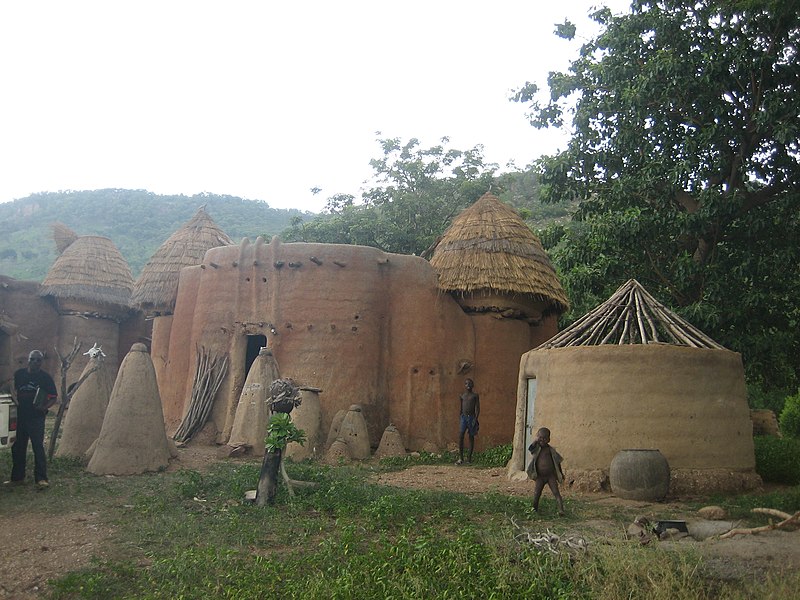
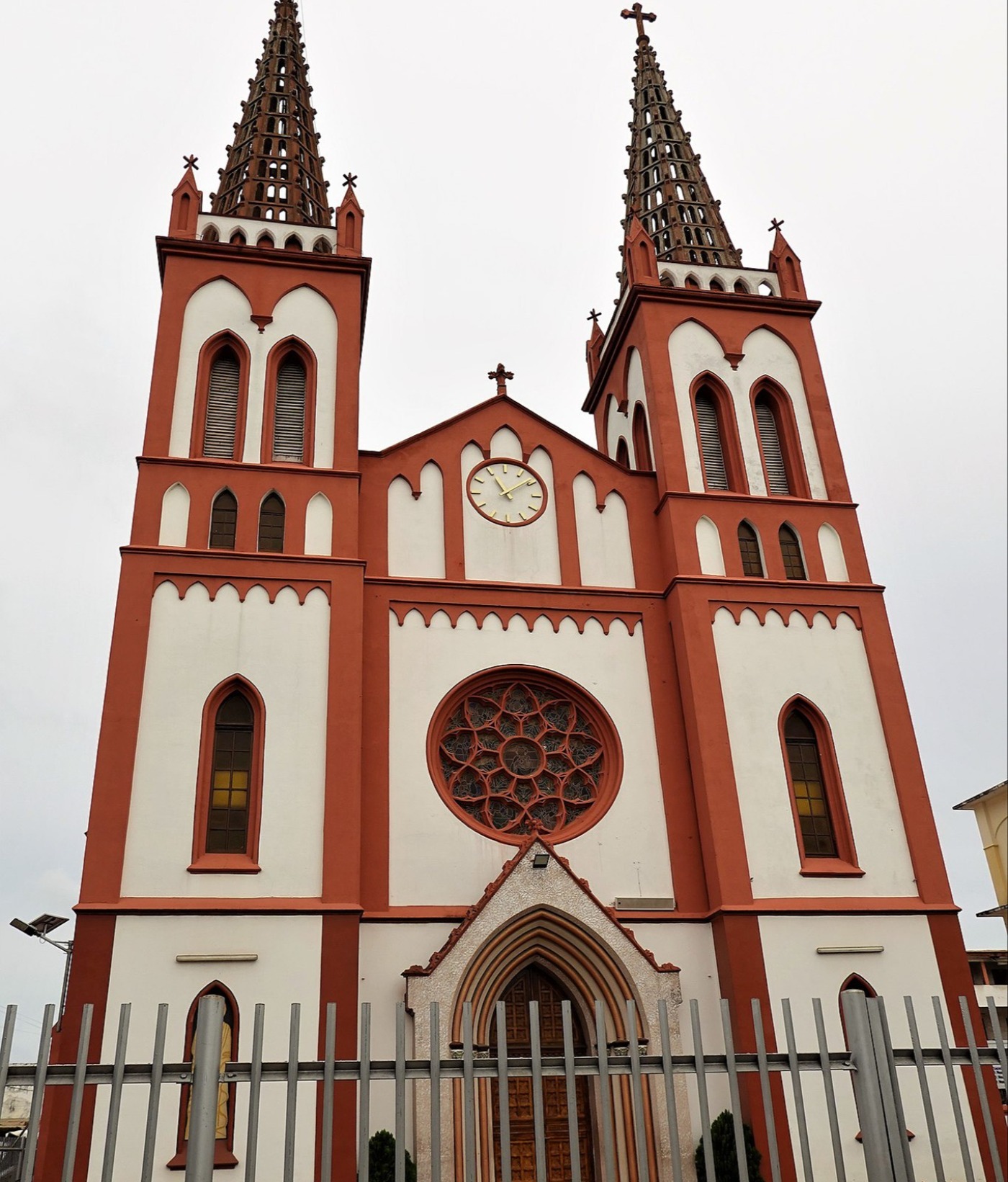
Togo offers beautiful Atlantic beaches, colorful local traditions, mountain landscapes, voodoo culture, and lively cities. It remains one of West Africa’s underrated destinations for travelers seeking authentic cultural experiences.
Top Attractions in Togo
Lomé
Togo’s capital city sits along the Gulf of Guinea and is famous for its beaches, markets, nightlife, and colonial atmosphere. The Grand Marché and Fetish Market are among the city’s most unique attractions.
Kpalimé
Located in the country’s lush highlands, Kpalimé is known for waterfalls, hiking trails, coffee plantations, and beautiful tropical scenery.
Togoville
Situated on the shores of Lake Togo, Togoville is considered the spiritual center of voodoo traditions in the country and offers a fascinating cultural experience.
Fazao-Malfakassa National Park
This protected park features forests, mountains, wildlife, and some of Togo’s most scenic natural landscapes.
Best Places to Visit
- Lomé – Coastal capital famous for markets and beaches.
- Kpalimé – Scenic mountain town with waterfalls and forests.
- Kara – Gateway to northern Togo and traditional culture.
- Togoville – Historic spiritual center along Lake Togo.
- Aneho – Historic coastal town with colonial heritage.
Things to Do in Togo
- Explore Lomé’s vibrant local markets.
- Visit traditional villages and learn about local customs.
- Relax on the beaches along the Gulf of Guinea.
- Hike through waterfalls and forests near Kpalimé.
- Experience traditional music, dance, and voodoo ceremonies.
Travel Tips for Visitors
- French is the official language, though many local languages are widely spoken.
- Carry cash in smaller towns as card payments may not be accepted.
- Dress lightly due to the tropical climate.
- Always drink bottled or filtered water while traveling.
Useful Country Information
Useful country information
Total area: 21,925 sq mi (56,785 sq km)
Population (2022 est.): 8.478 million
Capital and largest city: Lomé, approximately 1.9 million
Lomé: Capital City Profile
Monetary unit: CFA Franc (XOF)
Togolese Republic
National name: République Togolaise
Languages: French (official), Ewe, Mina, Kabyé, Dagomba and other regional languages
Ethnicity/race: Native African ethnic groups including Ewe, Mina, and Kabre communities
Religions: Indigenous beliefs, Christianity, and Islam
International phone code: +228
ISO country codes: TGO / .TG / 768
Olympic country code: TOG
FIFA code: TOG
Background:
A Brief History of Togo
Early History
Before European colonization, the region was home to several African ethnic groups and trading communities connected to regional trade networks across West Africa.
Traditional cultures, spiritual practices, and tribal kingdoms played an important role in shaping the country’s identity.
German Togoland
Modern Togo was once part of German Togoland, established as a German protectorate in 1884 during the European colonial expansion in Africa.
Germany developed railways, plantations, and infrastructure before losing control of the territory during World War I.
French Administration
After World War I, the territory was divided between Britain and France under League of Nations mandates.
French Togoland eventually evolved into the independent Republic of Togo in 1960.
Modern Togo
Following decades of political instability and military rule, Togo gradually introduced democratic reforms and held relatively free legislative elections in 2007.
Today, Togo continues to develop its economy, tourism sector, and regional trade connections in West Africa.
Togo Today
Modern Togo attracts travelers with its authentic culture, traditional festivals, Atlantic beaches, and warm hospitality.
The country remains one of West Africa’s lesser-known gems for adventurous travelers seeking unique cultural experiences away from mass tourism.
Online Travel Visa Check.
Find Visa information for your destination.Get Travel Insurance Quote


