

Discover Louisiana
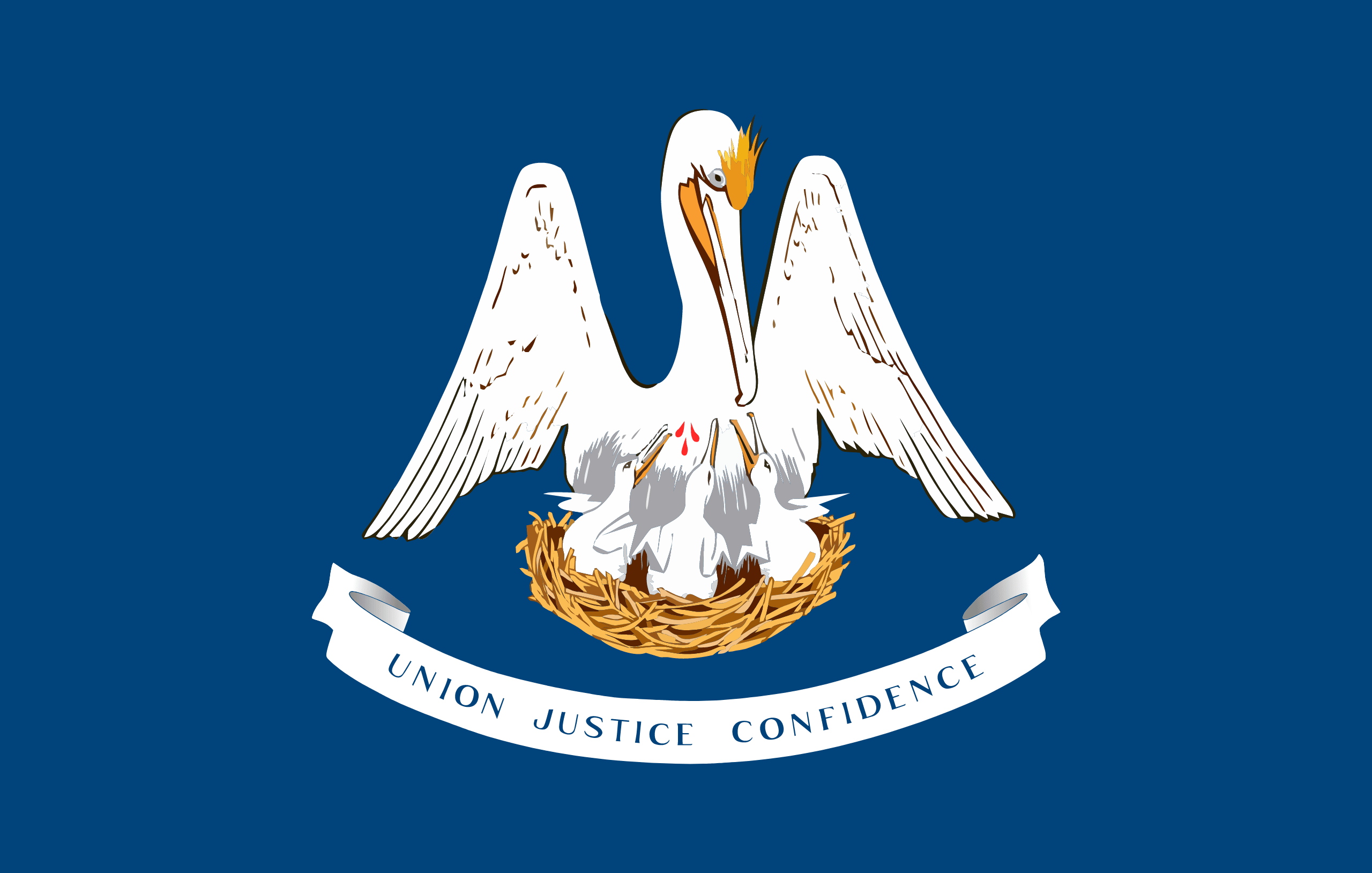
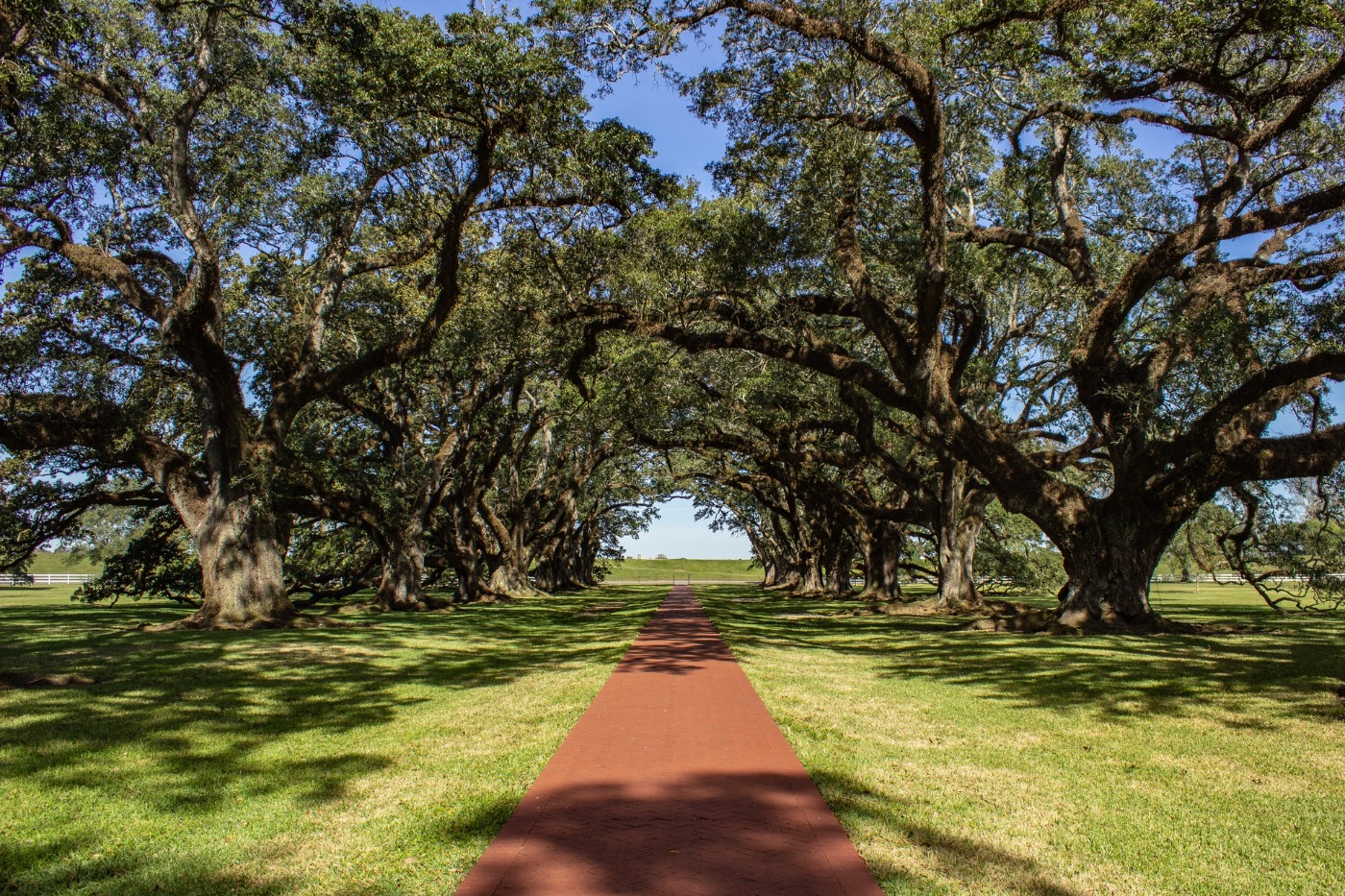
Louisiana is a state like no other in the Union, a melting pot of French, Spanish, African, and Native American cultures. From the jazz-filled streets of New Orleans to the mysterious moss-draped bayous of Acadiana, "The Pelican State" offers a sensory feast. It is the land of Mardi Gras, spicy Creole and Cajun cuisine, and deep musical roots that have influenced the world. Whether you are exploring historic plantations or taking a fan boat through a swamp, Louisiana's soul is felt in every corner.
Best Time to Visit Louisiana
- February–March: Peak festival season! The weather is mild, and the streets are alive with Mardi Gras celebrations.
- April–May: Ideal for swamp tours and birdwatching before the intense summer humidity sets in.
- October–November: Warm days and cool nights make this perfect for exploring Baton Rouge and the plantation country.
Tip: Summer (July-August) can be extremely hot and humid, and it is peak hurricane season—plan accordingly.
History
Louisiana was named in honor of King Louis XIV of France and was a centerpiece of the 1803 Louisiana Purchase, which doubled the size of the United States. Admitted as the 18th state in 1812, its legal system is still uniquely based on the Napoleonic Code. Its history is marked by the blend of Acadian (Cajun) refugees from Canada and the vibrant Creole society of New Orleans, creating a cultural heritage found nowhere else in the country.
Top Attractions in Louisiana
The French Quarter
The historic heart of New Orleans, famous for its iron-balcony architecture, Bourbon Street, and jazz clubs.
Atchafalaya Basin
The largest wetland and swamp in the U.S., offering incredible wildlife viewing and airboat adventures.
Avery Island
The birthplace of Tabasco sauce; visit the factory and explore the beautiful Jungle Gardens.
Steamboat Natchez
Experience a traditional paddlewheel boat ride on the Mississippi River for jazz and dinner cruises.
Old State Capitol
A gothic "castle" in Baton Rouge that served as the statehouse and now houses a museum of political history.
Mardi Gras World
A massive warehouse where the intricate floats for the New Orleans parades are built and stored year-round.
Tourist Tips for Louisiana
- Dining: Don't leave without eating a Po-boy, Gumbo, Jambalaya, and Beignets at Café du Monde.
- Safety: Like any major tourist hub, stay aware of your surroundings in the French Quarter, especially at night.
- Swamp Etiquette: Never feed the alligators—it is illegal and dangerous as it makes them approach humans for food.
- Lingo: Learn the local terms; "Lagniappe" means a little something extra, and "Parish" is what Louisianans call a county.
- Hydration: The humidity is no joke. Drink plenty of water even if you aren't doing strenuous activity.
Capital City: Baton Rouge
Baton Rouge, the "Red Stick," is the gateway to Acadiana. It features the tallest State Capitol building in the U.S. and the lively LSU campus area.
Explore Baton Rouge Travel GuideState Facts
| State Capital | Baton Rouge |
|---|---|
| State Size | Total: 52,378 sq miles; Land: 43,204 sq miles |
| Number of Parishes | 64 |
| Time Zone | Central Time Zone (observes Daylight Saving Time) |
| Bordering States | Arkansas, Mississippi, Texas |
| Highest Point | Driskill Mountain (535 ft) |
| National Parks/Sites | Jean Lafitte NHP, New Orleans Jazz NHP |
| State Population (2020) | 4,657,757 |
| Population Density | 108 people per sq mile |
| Area Codes | 225, 318, 337, 504, 985 |
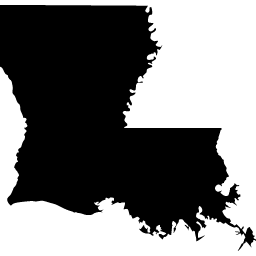
Louisiana Map
