

Country's codes
International phone code for Morocco: +212
3 letters: MAR
2 letters (internet domain): .MA
Digital country code 504
Standard EAN-13 (country barcode): 611
 Olympic country code: MAR

Morocco: Top Attractions & Best Time to Visit
A country where desert sand meets the Atlantic breeze, Morocco dazzles with ancient medinas, mountain landscapes, spice‑filled souks, and timeless hospitality. Here's your guide to the best places to explore and the ideal time to go.
Why Visit Morocco
Morocco blends North African, Arab, and Berber traditions with vibrant landscapes—from the Atlas Mountains to the Sahara dunes and Atlantic beaches. Wander ancient medinas, sleep under desert stars, sample tagines, and explore colorful markets full of life and history.
- Get lost in Marrakech’s medina, gardens, and palaces.
- Glide over Sahara dunes on camelback at Erg Chebbi.
- Hike the High Atlas and visit remote Berber villages.
- Explore blue‑washed Chefchaouen among the Rif Mountains.
Marrakech Medina & Jemaa el‑Fnaa
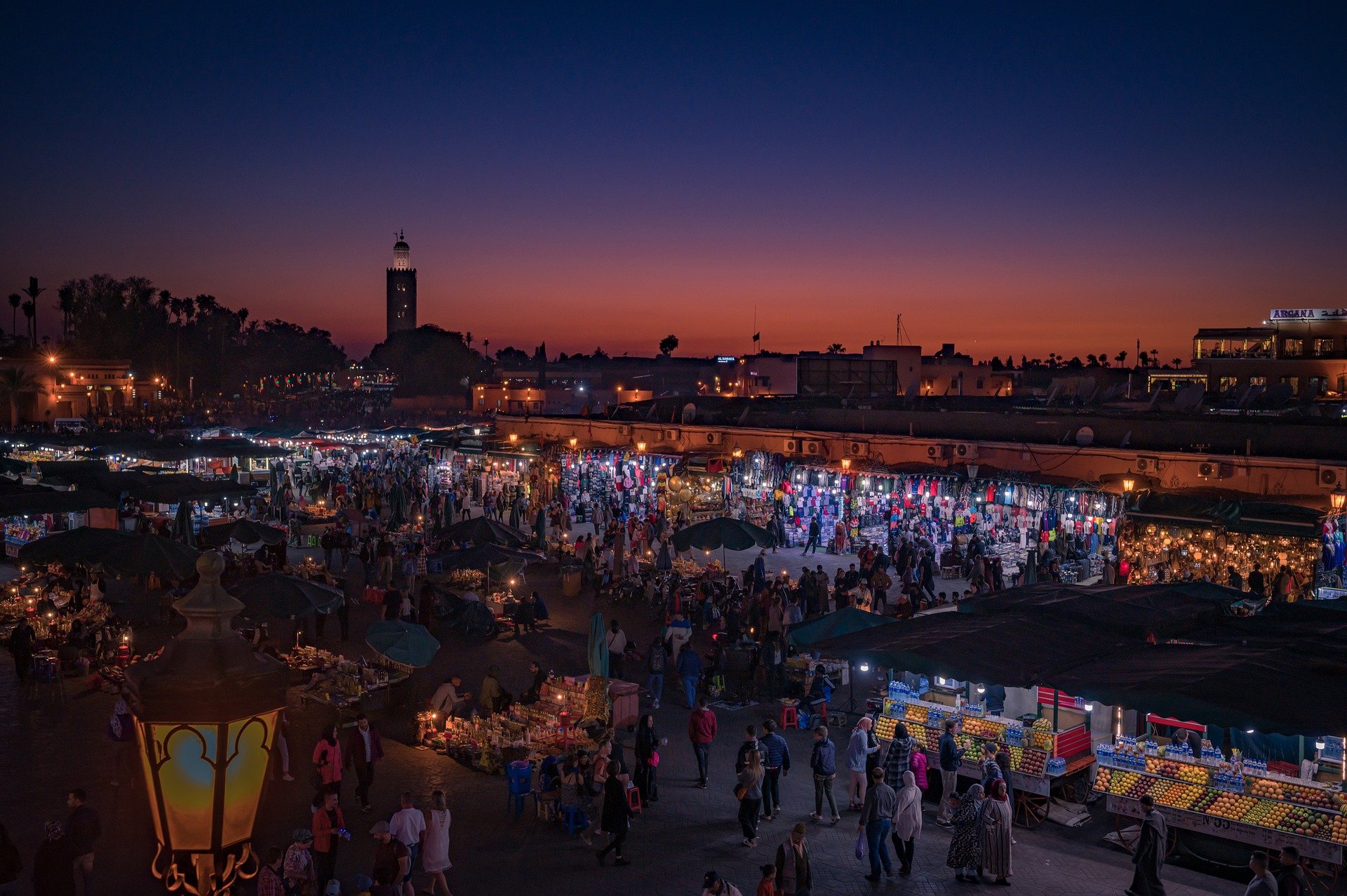
The heart of Morocco’s culture, Marrakech offers souks full of spices, leather, and crafts. Visit Bahia Palace, Saadian Tombs, and relax in Majorelle Garden. At sunset, Jemaa el‑Fnaa transforms into a dazzling night market.
Chefchaouen: The Blue Pearl
Nestled in the Rif Mountains, Chefchaouen is famed for its blue‑painted lanes, scenic viewpoints, and relaxed vibes. Perfect for photography, slow walks, and Moroccan street food.
Sahara Desert: Erg Chebbi & Erg Chigaga
Experience towering dunes, 4×4 rides, camel caravans, and Berber desert camps. Erg Chebbi near Merzouga is popular; Erg Chigaga is more remote and rugged.
Fes el‑Bali
One of the world’s oldest walled cities, Fes is an atmospheric maze of madrassas, tanneries, artisan workshops, and ancient gates. A paradise for history lovers and cultural travelers.
Atlas Mountains
Ideal for hikers and adventure seekers. Visit Imlil, climb Mount Toubkal (North Africa’s highest peak), or explore hidden valleys and Berber villages where traditional life continues.
Essaouira
A breezy Atlantic town known for blue boats, seafood, and relaxed coastal charm. Windsurfing, artistic streets, and a calmer pace make it perfect after busy cities.
Casablanca's Hassan II Mosque
One of the world’s largest mosques, perched dramatically over the ocean. Its intricate design and oceanfront location make it a standout architectural landmark.
Aït Ben Haddou
A fortified village and UNESCO site featuring stunning earthen clay architecture. Often used as a filming location, it’s best visited at sunrise or sunset for golden light.
Best Time to Visit Morocco
- Comfortable temperatures across cities and mountains.
- Ideal for exploring Marrakech, the Sahara, and coastal towns.
- Wildflowers and green landscapes in the Atlas region.
Winter (December–February) brings cool rain in the north and snow to the Atlas Mountains—excellent for off‑season travel, photography, and mountain adventures.
Fit‑to‑Travel Notes
Food is rich and flavorful; stick to well‑cooked meals if you have a sensitive stomach. Bring personal medications, electrolytes, and comfortable walking shoes for cobblestone alleys and mountain paths.
Quick FAQs
Is Morocco safe? Yes—especially in major tourist cities. Stay alert in busy markets.
How many days do I need? 7–10 days for highlights; 12–14 for desert + mountains + coast.
Can I drink tap water? Best to drink bottled or filtered water.
What to pack? Layers, sun protection, scarf, comfortable shoes, power adapter (Type C/E).
Morocco offers incredible variety—mix cities, desert, mountains, and coast for a memorable journey. Use this guide to plan your perfect Moroccan adventure.
Useful country information
Total area: 172,413 sq mi (446,550 sq km)
Population (2017 est.): 37.34 million
Capital (2022.): Rabat, 1,907,000
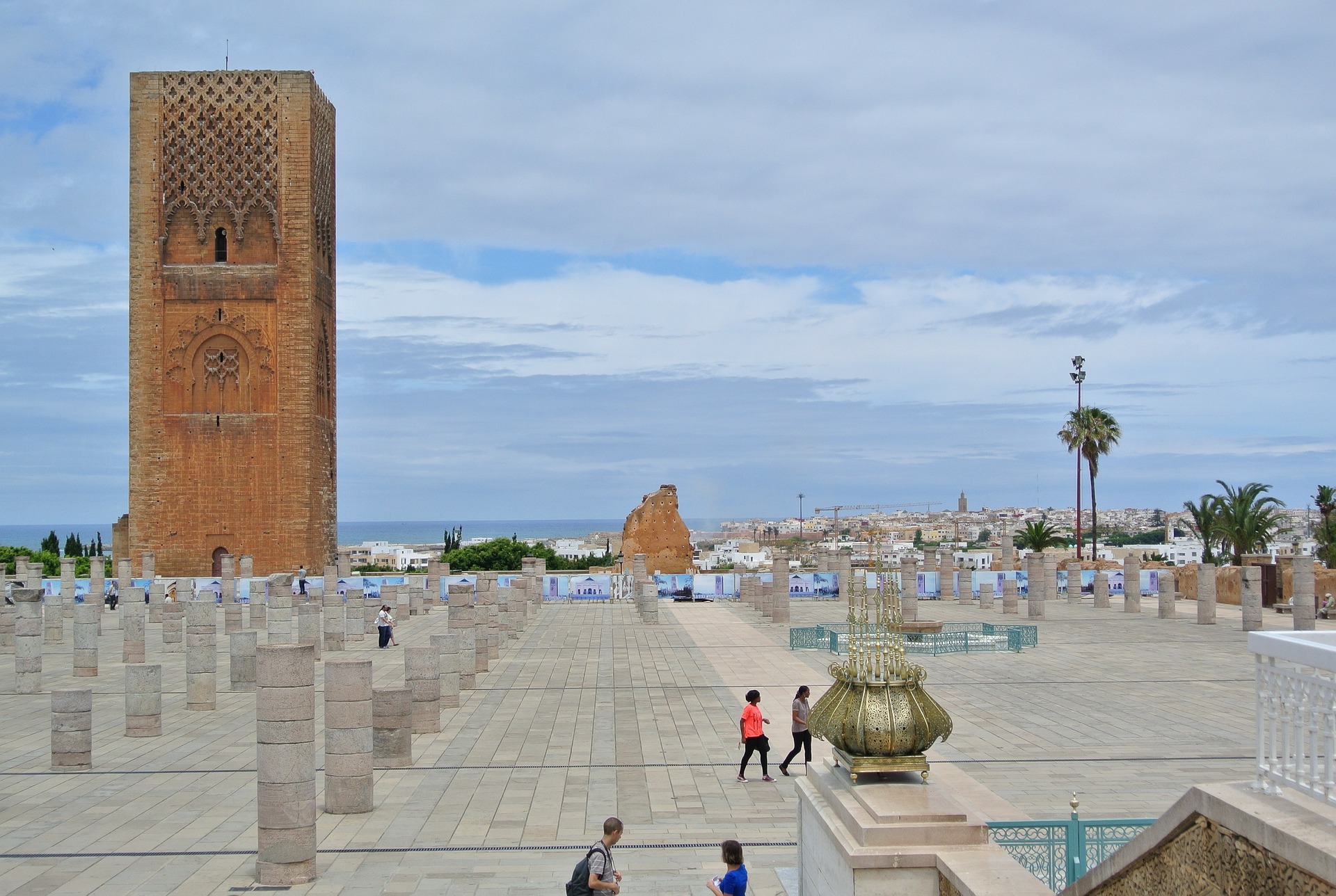
Rabat: Capital City Profile
Largest cities: Casablanca, 3,397,000; Fez, 941,800; Marrakech, 755,200
Monetary unit: Dirham
National name: al-Mamlaka al-Maghrebia
Languages: Arabic (official), Berber dialects, French often used for business, government, and diplomacy
Ethnicity/race: Arab-Berber 99.1%, Jewish 0.2%, other 0.7%
Religions: Islam 99%, Christian 1%
National Holiday: Throne Day, July 30

Background:
Morocco, about one-tenth larger than California, lies across the Strait of Gibraltar on the Mediterranean and looks out on the Atlantic from the northwest shoulder of Africa.
Morocco's long struggle for independence from France ended in 1956. The internationalized city of Tangier was turned over to the new country that same year.
Morocco virtually annexed Western Sahara during the late 1970s, but final resolution on the status of the territory remains unresolved.
Gradual political reforms in the 1990s resulted in the establishment of a bicameral legislature in 1997.
Morocco is a member state of the League of Arab States
Country Map

COUNTRY MAP WITH STATES/PROVINCES BOUNDARIES CLICK HERE

Source of Information:


