

Country's codes
International phone code for Namibia: +264
3 letters: NAM
2 letters (internet domain): .NA
Digital country code 516
Standard EAN-13 (country barcode): -
 Olympic country code: NAM

Namibia: Top Attractions & Best Time to Visit
A land of immense deserts, dramatic coastlines, deep canyons, and rich wildlife, Namibia offers some of the most extraordinary landscapes in Africa. From the red dunes of Sossusvlei to the wildlife haven of Etosha, the country delivers unforgettable adventure and serene natural beauty.
Why Visit Namibia
Namibia stands out for its vast, untouched landscapes—some of the most surreal on Earth. Here, nature is the main attraction: towering sand dunes, endless gravel plains, ancient canyons, and rugged coastlines shaped by Atlantic winds. Wildlife roams freely, the skies are clear, and the silence of the desert is unlike anywhere else.
- Red dunes and salt pans of Sossusvlei and Deadvlei.
- World-class wildlife viewing in Etosha National Park.
- Adventure sports and German-colonial charm in Swakopmund.
- Wild, haunting beauty of the Skeleton Coast.
Sossusvlei & Deadvlei
Namibia’s most iconic landscape: towering red dunes rising above white clay pans, with ancient dead camelthorn trees creating surreal contrasts. Climb Big Daddy dune at sunrise for unforgettable views.
Etosha National Park
One of Africa’s great wildlife parks, famous for its vast salt pan and waterhole viewing. Expect elephants, lions, rhinos, giraffes, antelopes, and abundant birdlife—especially in the dry season.
Swakopmund
A coastal town blending palm-fringed beaches, German colonial architecture, and adventure sports. Perfect for sandboarding, quad biking, dolphin cruises, or simply relaxing by the cool Atlantic breeze.
Skeleton Coast
Known for shipwrecks, fog-covered dunes, and colonies of Cape fur seals. Remote, mysterious, and hauntingly beautiful. Ideal for travelers seeking raw wilderness.
Fish River Canyon
The second-largest canyon in the world, featuring dramatic cliffs and winding riverbeds. Excellent for multi-day treks or panoramic viewpoints accessible by car.
Damaraland
A rocky, semi-desert region known for desert-adapted elephants, Twyfelfontein's rock engravings, and striking geological formations like the Organ Pipes and Burnt Mountain.
Namib-Naukluft Park
One of the world’s oldest deserts, home to dramatic landscapes, rare desert wildlife, and scenic viewpoints. A must-visit for photographers and nature lovers.
Windhoek
Namibia’s capital offers a pleasant mix of modern architecture, craft markets, and cultural sites. Ideal for a short stop before heading into the wilderness.
Best Time to Visit Namibia
- Clear skies and comfortable temperatures.
- Optimal wildlife viewing as animals gather at waterholes.
- Ideal conditions for Sossusvlei, Etosha, and the Skeleton Coast.
For dramatic desert scenery, wildlife, and pleasant weather, plan your trip between May and October.
Getting Around
Renting a 4×4 is the best way to explore Namibia’s vast landscapes. Roads are well-maintained but distances are long, so plan driving times carefully.
Food & Culture
Enjoy grilled meats, game dishes, fresh seafood on the coast, and German-inspired pastries. Namibia’s cultural mix includes Herero, Himba, Damara, Nama, and German influences.
Where to Stay
Options range from luxury desert lodges to safari camps, coastal guesthouses, and budget-friendly chalets. Book early during the dry season.
Costs & Money
Lodges and guided tours can be expensive, but self-driving and camping are budget-friendly alternatives. ATMs are widely available in towns.
Fit‑to‑Travel Notes
For wildlife areas, follow park guidelines and keep safe distances from animals. In remote regions, carry extra fuel, spare tires, and a basic first-aid kit.
Quick FAQs
How many days do I need? 7–10 days for highlights; 14+ for a full circuit.
Is Namibia safe? Yes—generally very safe for travelers with basic precautions.
Do I need a 4×4? Highly recommended for national parks and remote areas.
Is Namibia good for families? Absolutely—especially Etosha and Swakopmund.
Vast, peaceful, and breathtakingly beautiful, Namibia is a dream destination for nature lovers, photographers, and adventurers. Plan your journey through dunes, canyons, and wildlife havens for an unforgettable African experience.
Useful country information
Total area: 318,694 sq mi (825,418 sq km)
Population (2022 est.): 2.587 million
Capital and largest city (2022 est.): Windhoek, 446,000.
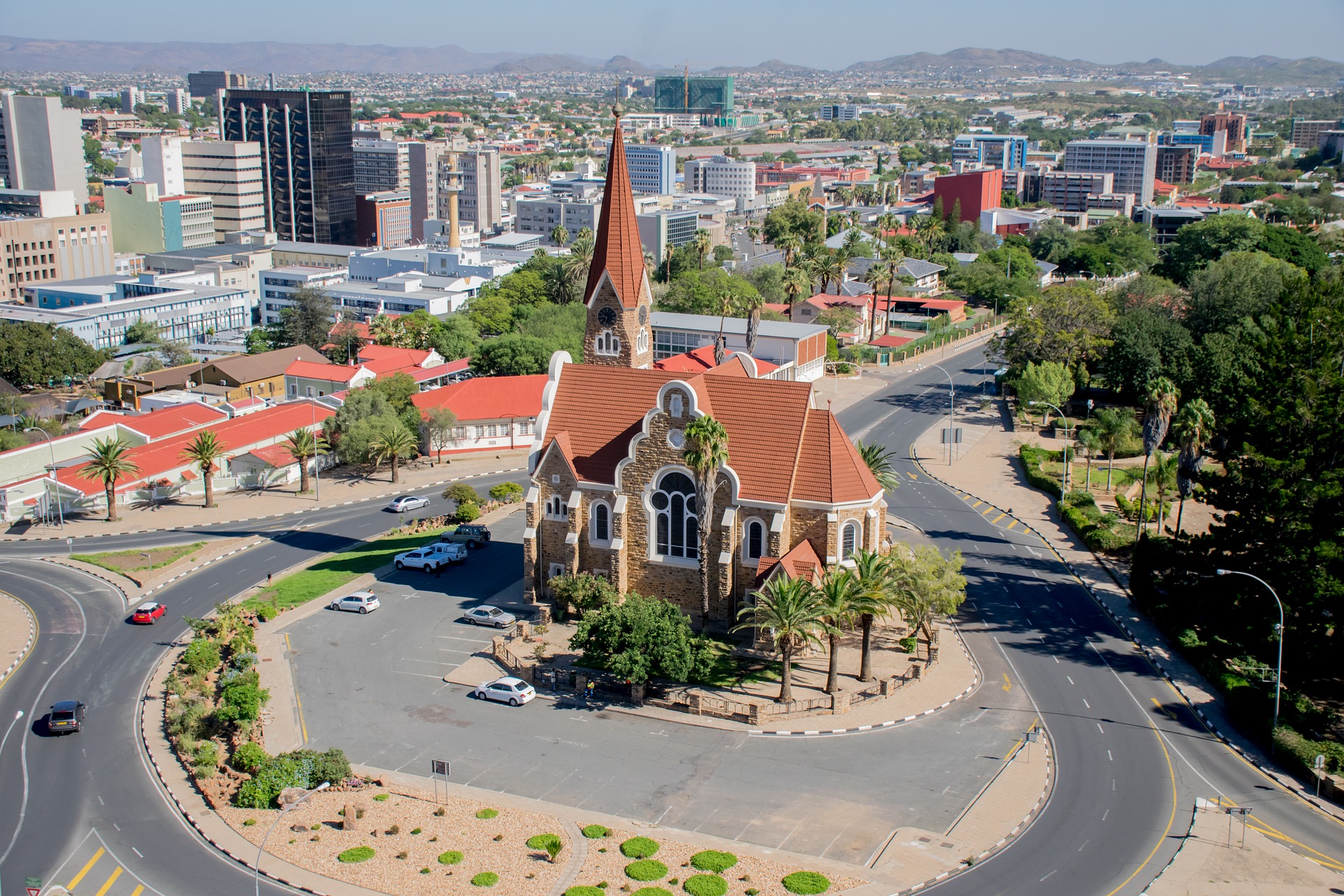
Windhoek: Capital City Profile
Monetary unit: Namibian dollar
Languages: English 7% (official), Afrikaans is common language of most of the population and of about 60% of the white population, German 32%; indigenous languages: Oshivambo, Herero, Nama: 1%
Ethnicity/race: black 87.5%, white 6%, mixed 6.5%. Note: about 50% of the population belong to the Ovambo tribe and 9% to the Kavangos tribe; other ethnic groups are Herero 7%, Damara 7%, Nama 5%, Caprivian 4%, Bushmen 3%, Baster 2%, Tswana 0.5%
Religions: Christian 80%?90% (Lutheran at least 50%), indigenous beliefs 10%?20%
National Holiday: Independence Day, March 21

Background:
South Africa occupied the German colony of Süd-West Afrika during World War I and administered it as a mandate until after World War II when it annexed the territory.
In 1966 the Marxist South-West Africa People's Organization (SWAPO) guerrilla group launched a war of independence for the area that was soon named Namibia. Still, it was not until 1988 that the apartheid regime of South Africa agreed to end its administration in accordance with a UN peace plan for the entire region. Independence came in 1990.
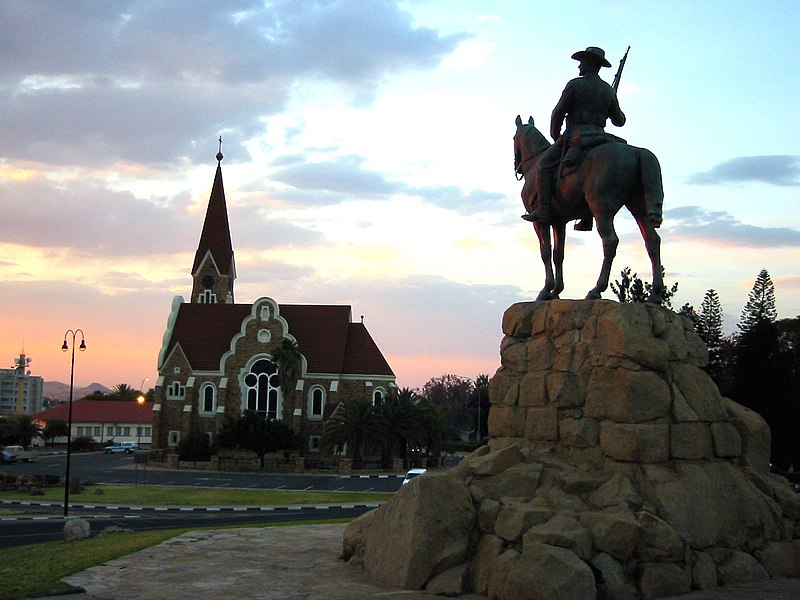
Country Map

COUNTRY MAP WITH STATES/PROVINCES BOUNDARIES CLICK HERE

Source of Information:


