

Country's codes
International phone code for Nepal: +977
3 letters: NPL
2 letters (internet domain): .NP
Digital country code: 524
Standard EAN-13 (country barcode): Not assigned
 Olympic country code: NEP
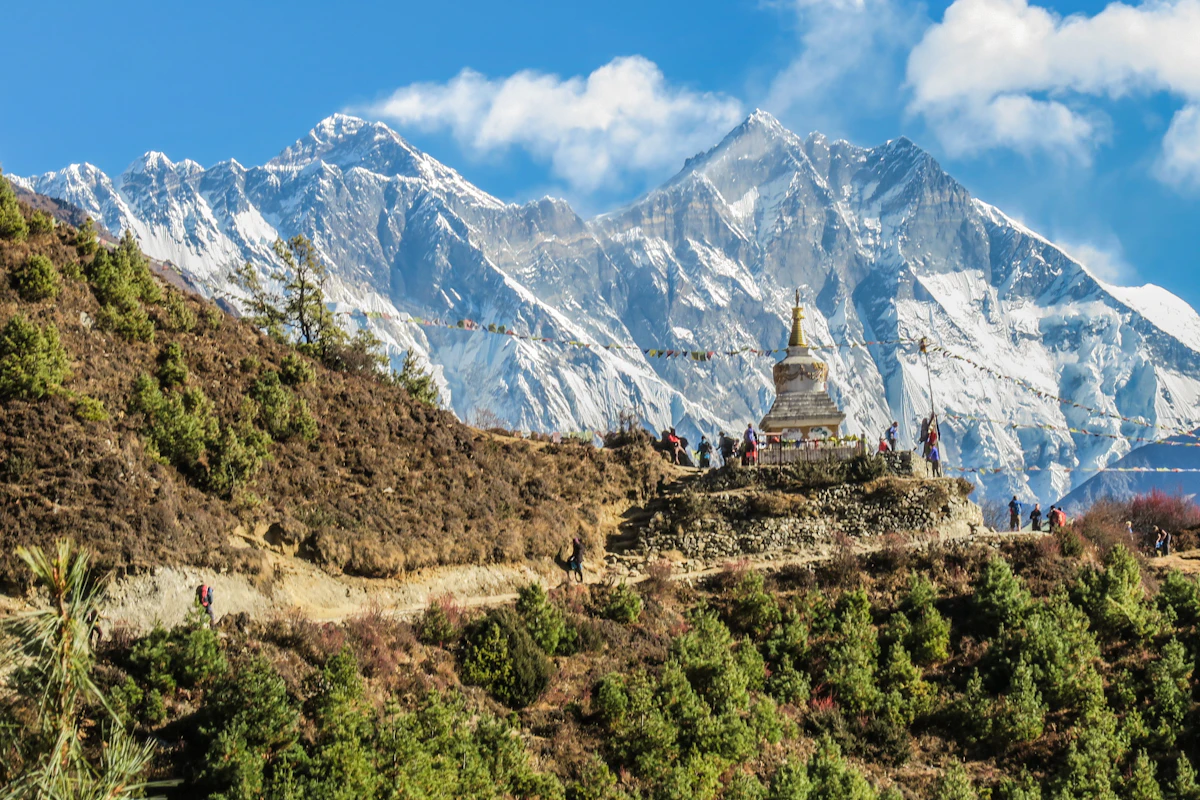
Nepal Travel Guide: Top Attractions & Best Time to Visit
Nepal is a land of soaring Himalayas, serene lakes, jungle wildlife, and living heritage. From Everest’s iconic trails to Kathmandu Valley’s golden stupas, here’s how to plan a trip that matches the seasons and your travel style.
Top Attractions in Nepal
Kathmandu Valley Heritage
Wander the medieval squares of Kathmandu Durbar Square, Patan, and Bhaktapur, where wood‑carved palaces and courtyards set the scene. Don’t miss Swayambhunath (the Monkey Temple) and the colossal Boudhanath Stupa. At dusk, witness the aarti rituals at Pashupatinath on the Bagmati River.
Pokhara & Phewa Lake
Nepal’s laid‑back adventure hub offers tranquil boat rides on Phewa Lake, sunrise views of the Annapurna Range from Sarangkot, and paragliding above terraced hills. Lakeside cafés, yoga studios, and spa retreats make Pokhara ideal for recovery days.
Everest Region (Sagarmatha National Park)
Trek to Namse Bazaar, Tengboche Monastery, and viewpoints like Kala Patthar. Even if you aren’t attempting Base Camp, short scenic treks deliver colossal Himalayan panoramas and Sherpa culture.
Annapurna Circuit & Annapurna Base Camp
Classic circuits weave past waterfalls, rhododendron forests, and high passes like Thorong La. The ABC trek rewards with an amphitheater of 7,000–8,000 m peaks—astonishing at sunrise.
Chitwan National Park
Trade mountains for the Terai jungles: spot one‑horned rhinos, gharials, deer, and abundant birdlife. Canoe the Rapti River and visit Tharu villages for culture and cuisine.
Lumbini (Birthplace of the Buddha)
A serene pilgrimage zone of monasteries from across the Buddhist world. The Maya Devi Temple anchors landscaped gardens ideal for slow, reflective walks.
Bandipur & Nagarkot
For peaceful hill‑town charm, Bandipur serves stone‑paved lanes and mountain balconies. Nagarkot, near Kathmandu, offers effortless sunrise views of snowy ranges on clear days.
Off‑the‑Beaten‑Path
Consider Langtang Valley for yak pastures and Tamang culture, or the remote Upper Mustang for Tibetan‑influenced desert landscapes and ancient cave art (restricted permits apply).
Best Time to Visit Nepal
Nepal’s seasons shape your experience—clear skies and festivals in autumn, blossoms in spring, monsoon‑lush valleys in summer, and crisp, quiet winters.
Autumn (October–November)
- Why go: Best visibility for mountain views; comfortable daytime temperatures.
- Ideal for: Everest/Annapurna treks, cultural sightseeing, photography.
- Festivals: Dashain & Tihar fill cities with color, lights, and rituals.
Spring (March–May)
- Why go: Warmer trekking, rhododendrons in bloom, longer daylight.
- Ideal for: Annapurna & Langtang treks, Pokhara activities, paragliding.
- Festivals: Holi (festival of colors), Buddha Jayanti (Apr/May).
Monsoon (June–September)
- Why go: Fewer crowds; vibrant green valleys; good deals in cities.
- Ideal for: Cultural trips, wellness retreats, rain‑shadow treks (Upper Mustang, Dolpo).
- Watch for: Rain, leeches on forest trails, possible flight delays.
Winter (December–February)
- Why go: Crystal mountain vistas; quiet trails; budget‑friendlier.
- Ideal for: Lower‑altitude hikes, Chitwan/Lumbini visits, Kathmandu culture.
- Consider: Very cold at elevation; occasional snow on high passes.
Practical Planning Tips
Permits & Guides
Most treks require a TIMS card and a national park/conservation permit. Some regions (e.g., Upper Mustang, Manaslu) are restricted and require a licensed guide and special permits.
Acclimatization & Safety
Ascend gradually above 2,500 m. Hydrate, avoid rapid elevation gains, and learn AMS symptoms (headache, nausea, fatigue). Consider travel insurance covering helicopter evacuation for high‑altitude regions.
What to Pack
Layered clothing, waterproof shell, sturdy boots, sun protection, water purification, and a compact first‑aid kit. In spring, add leech socks for forest trails; in winter, warmer down layers.
Health & Hygiene
Drink purified/boiled water, carry hand sanitizer, and consider altitude‑appropriate snacks (nuts, dried fruit). Allow rest days in cities like Pokhara to rejuvenate.
Suggested Itineraries
7 Days – Culture & Lakes
- Day 1–2: Kathmandu (Durbar Squares, Swayambhunath, Boudhanath, Pashupatinath)
- Day 3–5: Pokhara (Phewa Lake, Sarangkot sunrise, paragliding or day hike)
- Day 6: Bandipur hill town
- Day 7: Back to Kathmandu (Nagarkot sunset option)
12–14 Days – Classic Trek Focus
- Days 1–2: Kathmandu permits & gear check
- Days 3–11: Everest (to Tengboche/Namche) or Annapurna Base Camp
- Days 12–13: Pokhara recovery (massage, café hopping, yoga)
- Day 14: Kathmandu crafts & farewell dinner
Useful Country Information
Nepal is a breathtaking Himalayan nation famous for Mount Everest, ancient temples, trekking adventures, and rich spiritual traditions. Located between India and China, the country attracts travelers seeking nature, culture, and adventure tourism.
140,800 sq km (54,363 sq mi)
Approximately 30 million people
Kathmandu
Himalayas, trekking & Buddhist heritage
Major Cities in Nepal
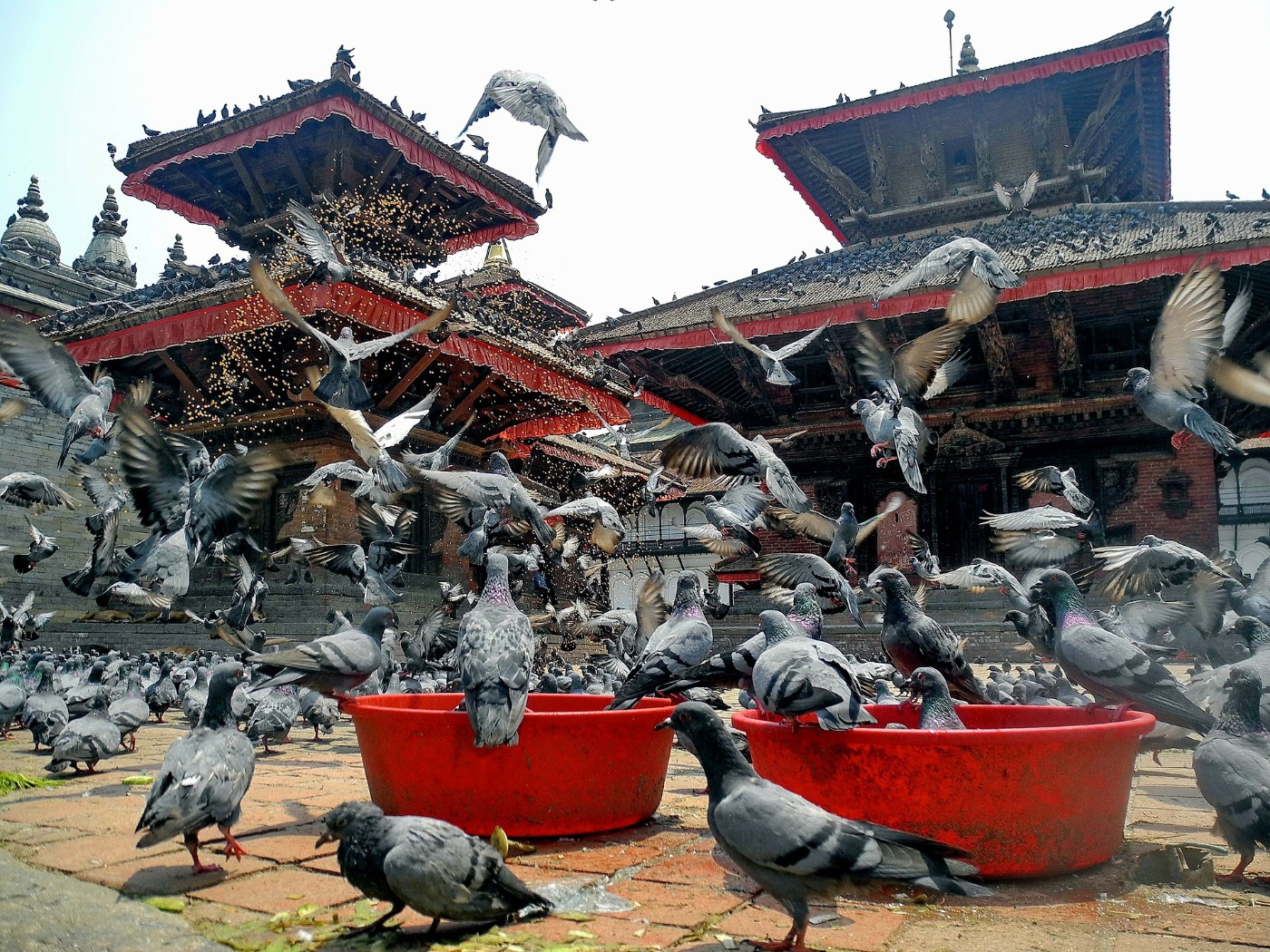
Kathmandu is Nepal’s political, cultural, and economic center, while Pokhara is known for lakes, mountain views, and adventure tourism. Lalitpur and Bhaktapur are famous for traditional Newari architecture, temples, and UNESCO heritage sites.
Quick Travel Information
- Currency: Nepalese Rupee (NPR)
- Official Language: Nepali
- Time Zone: Nepal Time (GMT +5:45)
- Best Time to Visit: October to December and March to May
- Main International Airport: Tribhuvan International Airport (Kathmandu)
Monetary unit: Nepalese rupee
Culture, Languages & Society
Nepal is a culturally rich Himalayan nation with remarkable ethnic diversity, ancient traditions, and strong spiritual heritage. The country blends Hindu and Buddhist influences, visible in its festivals, temples, monasteries, architecture, and daily life.
Nepali
More than 120 native languages
Hinduism & Buddhism
Himalayan & South Asian heritage
Languages Spoken in Nepal
Nepali is the official national language and is widely spoken throughout the country. Nepal is also home to more than 120 indigenous and regional languages, reflecting the country’s remarkable ethnic and cultural diversity.
Ethnic & Cultural Diversity
Nepal consists of many ethnic communities including Chhetri, Brahmin, Magar, Tharu, Tamang, Newar, Gurung, Rai, and Limbu populations. Each group contributes unique traditions, clothing, cuisine, music, architecture, and festivals.
Religions in Nepal
Hinduism is the largest religion in Nepal, while Buddhism also plays an important role in the country’s spiritual identity. Nepal is internationally recognized as the birthplace of Lord Buddha, who was born in Lumbini.
Major Festivals
Nepal celebrates colorful festivals throughout the year. Dashain and Tihar are the country’s most important Hindu festivals, while Buddha Jayanti honors the birth of Buddha with ceremonies and pilgrimages.
Get Travel Insurance Quote

Background & Geography
Nepal is a landlocked Himalayan nation located between India and China. Known for dramatic mountain scenery, ancient temples, and spiritual heritage, the country is one of the world’s most iconic destinations for trekking, mountaineering, and cultural exploration.
Mount Everest (8,848.86 m)
Birthplace of Lord Buddha
Between India & China
8 of the world’s 14 highest mountains
The Himalayan Nation
Nepal lies within the Himalayan mountain range, formed millions of years ago when the Indian tectonic plate collided with the Eurasian plate. This geological process created some of the highest mountains on Earth, including Mount Everest, known locally as Sagarmatha.
Towering snow-capped peaks rise above deep valleys, forests, rivers, and traditional mountain villages, creating one of the world’s most spectacular natural landscapes.
Birthplace of Buddha
Nepal holds great spiritual importance as the birthplace of Siddhartha Gautama, who later became known as Buddha. He was born in Lumbini around the 6th century BC, making the site one of the world’s most important Buddhist pilgrimage destinations.
Ecological Regions of Nepal
Nepal is traditionally divided into three major ecological zones, each with distinct landscapes, climates, and lifestyles.
- Terai Region: Fertile plains with forests, grasslands, rivers, and wildlife reserves.
- Hill Region: Home to valleys, terraced farming, traditional villages, and major cities including Kathmandu.
- Himalayan Region: Features glaciers, high-altitude trekking routes, and the world’s tallest mountains.
Nature & Wildlife
Nepal’s varied geography supports exceptional biodiversity. The country is home to Bengal tigers, one-horned rhinoceroses, red pandas, snow leopards, and hundreds of bird species.
National parks such as Chitwan and Sagarmatha National Park are internationally recognized for conservation and eco-tourism.
Modern Nepal
Today, Nepal is a developing nation known for tourism, cultural heritage, mountaineering, and hospitality. Despite economic and infrastructure challenges, the country remains globally admired for its natural beauty and resilient communities.


