

Country's codes
International phone code for Pakistan: +92
Standard EAN-13 (country barcode): 896
 Olympic country code: PAK

Pakistan: Top Attractions & Best Time to Visit
Pakistan is a breathtaking blend of ancient civilizations, sky‑high mountains, vibrant bazaars, serene lakes, and warm hospitality—an unforgettable destination for adventurous travelers.
Best Time to Visit Pakistan
Pakistan’s diverse landscapes mean the ideal time to visit depends on the region. For the northern mountains—Gilgit, Skardu, Hunza—the best months are April to October, when the weather is pleasant, roads are accessible, and valleys are in full bloom or vibrant autumn hues.
For southern cities like Karachi, Hyderabad, and coastal areas, the best time is November to February when the temperatures are mild. Cultural cities such as Lahore, Multan, and Islamabad are enjoyable year-round, with peak comfort in spring and autumn.
- Mar–Apr: Ideal for city travel and blooming northern valleys.
- May–Jun: Best for high-altitude destinations; warmer lowlands.
- Jul–Aug: Green landscapes in the north; monsoon in parts of the south.
- Sep–Oct: Stunning autumn colors in Gilgit‑Baltistan.
- Nov–Feb: Best for Sindh & Punjab; cold in northern areas.
Top Attractions in Pakistan
Hunza Valley
Home to snow-capped peaks, turquoise rivers, and historic forts, Hunza is one of Pakistan’s most iconic destinations. Don’t miss Attabad Lake, Baltit Fort, and the viewpoint at Eagle’s Nest.
Skardu & Deosai Plains
Gateway to the world’s highest peaks, Skardu features serene lakes like Shangrila, Upper Kachura, and the rolling wildlife-rich Deosai National Park.
Lahore
A cultural powerhouse with Mughal architecture, colorful bazaars, and world-class cuisine. Must-sees include Badshahi Mosque, Lahore Fort, and the historic Walled City.
Islamabad
A green, peaceful capital with tree-lined avenues, hiking trails, and the iconic Faisal Mosque. Great for a relaxed start or end to your trip.
Karachi
Pakistan’s bustling economic hub with beaches, colonial architecture, and a vibrant food scene. Visit Clifton Beach, Mohatta Palace, and the lively local markets.
Swat Valley
Nicknamed the “Switzerland of the East,” Swat offers lush landscapes, riverside villages, and winter sports in Malam Jabba.
Taxila
A treasure trove of ancient Buddhist ruins, monasteries, and artifacts—perfect for history and archaeology enthusiasts.
Fairy Meadows
A lush meadow with dramatic views of Nanga Parbat, the world’s 9th highest mountain. Ideal for trekkers seeking unforgettable scenery.
Mohatta Palace
A beautifully restored 20th-century palace in Karachi showcasing art, architecture, and cultural exhibitions.
Mohenjo-Daro
One of the world’s oldest urban settlements, offering a glimpse into the ancient Indus Valley Civilization.
Suggested 7‑Day Pakistan Itinerary
- Day 1 — Islamabad: Faisal Mosque, viewpoint at Daman-e-Koh.
- Day 2 — Drive to Hunza: Scenic Karakoram Highway journey.
- Day 3 — Hunza: Attabad Lake, Passu Cones, Hussaini Bridge.
- Day 4 — Karimabad: Baltit & Altit Forts, sunset at Eagle’s Nest.
- Day 5 — Skardu: Drive via mountain passes, lakeside relaxation.
- Day 6 — Deosai Plains: Golden meadows and wildlife viewing.
- Day 7 — Return to Islamabad.
Food & Culture
Pakistani cuisine is rich, fragrant, and diverse—from Karachi biryani and Lahori chargha to chapli kebab, naan, halwa puri, and incredible street snacks.
The culture is warm and welcoming, with deep traditions in hospitality, music, festivals, and colorful bazaars.
Practical Tips
- Transport: Domestic flights help cut long distances in the north.
- Clothing: Modest dress recommended in rural and religious sites.
- Weather: Pack layers—mountain nights can be cold even in summer.
- SIM cards: Affordable and excellent coverage in cities.
- Safety: Locals are friendly; follow standard travel awareness.
Useful country information
Total area: 310,401 sq mi (803,940 sq km)1
Population (2022 est.): 225.2 million
Capital (2022 est.): Islamabad, 1,164,000

Islamabad: Capital City Profile
Largest cities: Karachi 13.876 million; Lahore 7.566 million; Faisalabad 3.038 million; Rawalpindi 2.164 million; Multan 1.775 million (2011)
Monetary unit: Pakistan rupee
Principal languages: Punjabi 48%, Sindhi 12%, Saraiki (a Punjabi variant) 10%, Pashto (alternate name, Pashtu) 8%, Urdu (official) 8%, Balochi 3%, Hindko 2%, Brahui 1%, English (official; lingua franca of Pakistani elite and most government ministries), Burushaski, and other 8%
Ethnicity/race: Punjabi 44.68%, Pashtun (Pathan) 15.42%, Sindhi 14.1%, Sariaki 8.38%, Muhajirs 7.57%, Balochi 3.57%, other 6.28%
Religions: Muslim (official) 96.4% (Sunni 85-90%, Shia 10-15%), other (includes Christian and Hindu) 3.6% (2010 est.)
National Holiday: Republic Day, March 23

Background:
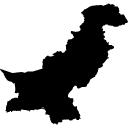
Pakistan is situated in the western part of the Indian subcontinent, with Afghanistan and Iran on the west, India on the east, and the Arabian Sea on the south. The name Pakistan is derived from the Urdu words Pak (meaning pure) and stan (meaning country). It is nearly twice the size of California.
The separation in 1947 of British India into the Muslim state of Pakistan (with two sections West and East) and largely Hindu India was never satisfactorily resolved.
A third war between these countries in 1971 resulted in East Pakistan seceding and becoming the separate nation of Bangladesh. A dispute over the state of Kashmir is ongoing. In response to Indian nuclear weapons testing, Pakistan conducted its own tests in 1998.

Source of Information:


