

Country's codes
International phone code for Philippines: +63
Standard EAN-13 (country barcode): 480
 Olympic country code: PHI
Philippines Travel Guide

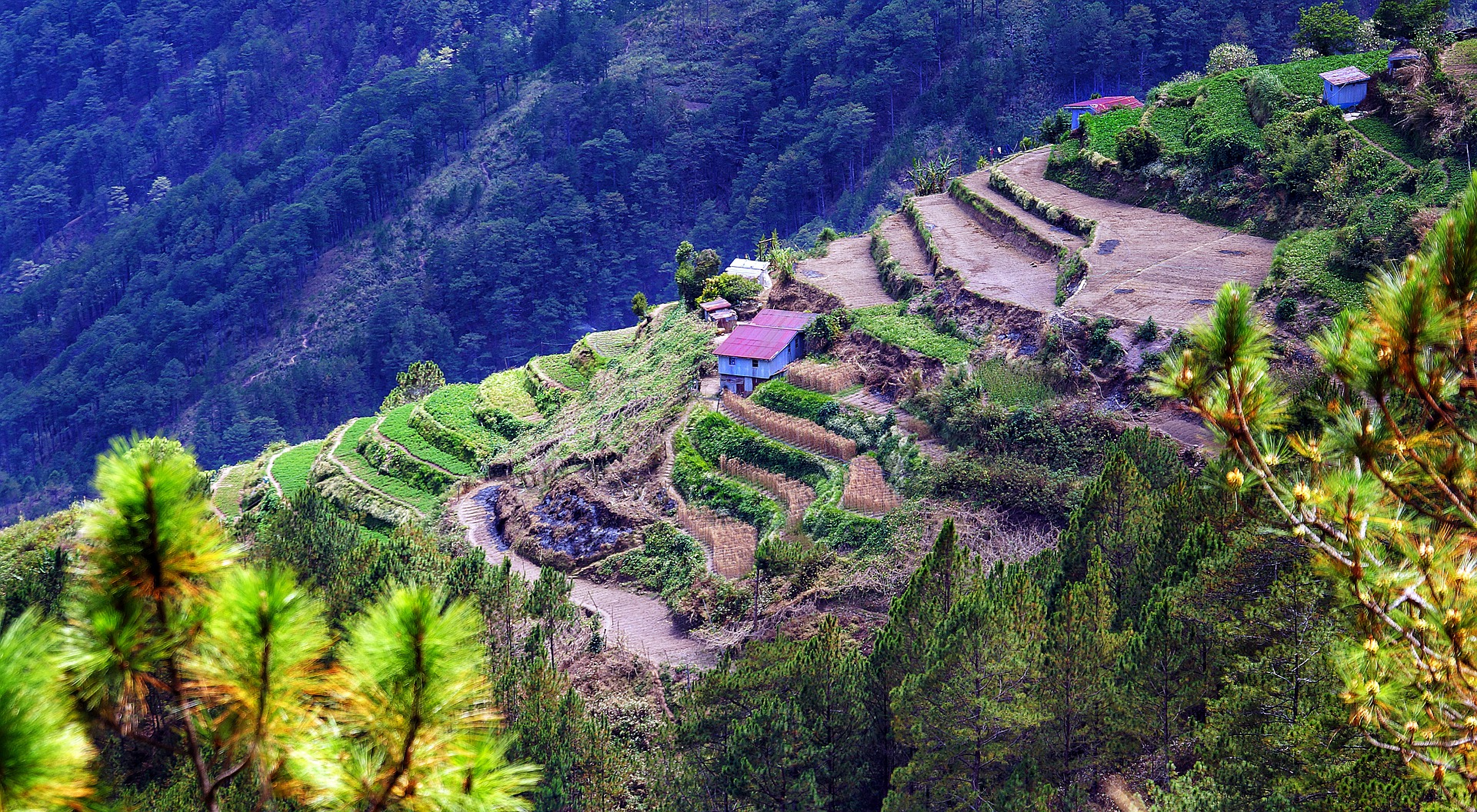
The Philippines is known for stunning tropical islands, incredible diving spots, vibrant festivals, and friendly locals. From the turquoise lagoons of Palawan to the colorful reefs of Cebu, it is one of Asia’s most spectacular travel destinations.
Top Tourist Attractions in the Philippines
Palawan & El Nido
Often ranked among the most beautiful islands in the world, Palawan is famous for its dramatic limestone cliffs, turquoise lagoons, and secret beaches. El Nido and Coron are top destinations for island hopping.
Chocolate Hills, Bohol
More than 1,200 cone-shaped hills form one of the Philippines’ most unique landscapes. During the dry season they turn brown, resembling giant chocolate drops.
Boracay Island
Known for its powder-soft white sand and vibrant nightlife, Boracay’s White Beach is one of the most famous beaches in Asia.
Banaue Rice Terraces
Carved into the mountains more than 2,000 years ago by the Ifugao people, these terraces are often called the “Eighth Wonder of the World.”
Best Cities to Visit
- Manila – The capital city with historic Spanish-era architecture and modern districts.
- Cebu City – A major travel hub known for diving and historic landmarks.
- Davao City – Gateway to Mount Apo and home of the Philippine eagle.
- Puerto Princesa – Entry point to the famous Underground River in Palawan.
- Iloilo – Known for colonial architecture and vibrant festivals.
Things to Do in the Philippines
- Go island hopping in Palawan or Coron.
- Snorkel or dive in the coral reefs of Cebu and Apo Island.
- Relax on the beaches of Boracay.
- Visit historic Intramuros in Manila.
- Explore waterfalls and jungles in Mindanao.
Travel Tips for Visitors
- The dry season (November to May) is the best time for beach travel.
- Domestic flights help travelers move easily between islands.
- English is widely spoken across the country.
- Cash is useful on smaller islands where card payments may not be accepted.
Useful Country Information
Total area: 115,830 sq mi (300,000 sq km)
Population (2023 est.): about 114 million
Capital and largest metropolitan area: Manila (National Capital Region), approx. 13.5 million city population; Metro Manila over 21 million
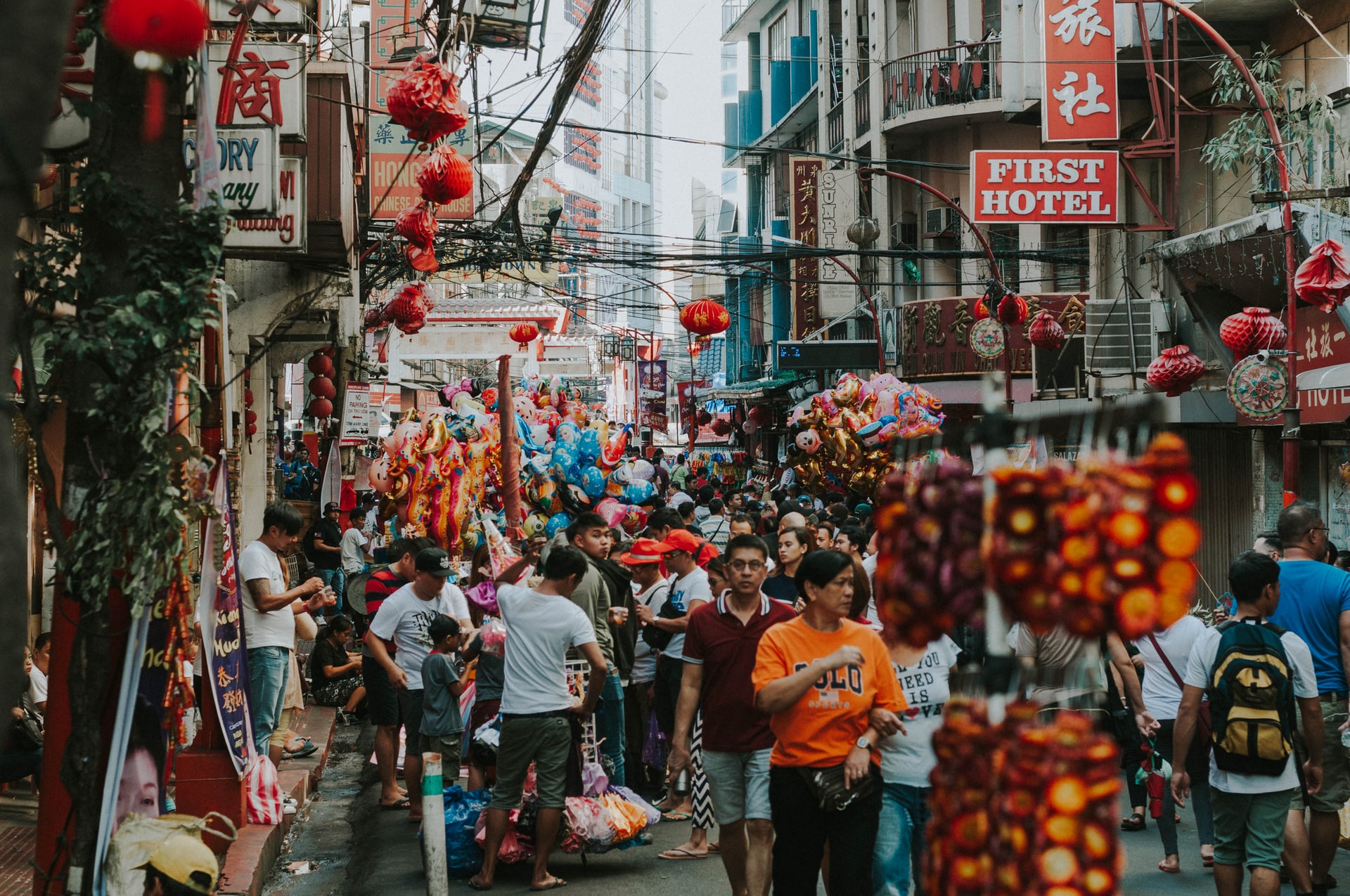
Manila: Capital City Profile
Other major cities: Davao City (1.78 million); Cebu City (964,000); Zamboanga City (977,000)
Monetary unit: Philippine Peso (PHP)
Official languages: Filipino and English
National name: Republic of the Philippines
Major religions: Roman Catholic majority, with Protestant, Muslim, and other Christian communities
National holiday: Independence Day, June 12
National name: Republika ng Pilipinas
Languages: Filipino (based on Tagalog), English (both official); eight major dialects: Tagalog, Cebuano, Ilocano, Hiligaynon or Ilonggo, Bicol, Waray, Pampango, and Pangasinense
Ethnicity/race: Tagalog 28.1%, Cebuano 13.1%, Ilocano 9%, Bisaya/Binisaya 7.6%, Hiligaynon Ilonggo 7.5%, Bikol 6%, Waray 3.4%, other 25.3% (2000)
Religions: Roman Catholic 80.9%, Evangelical 2.8%, Iglesia ni Kristo 2.3%, Aglipayan 2%, other Christian 5%, Islam 5% (2000)

Background:
The Philippine islands are an archipelago of over 7,000 islands lying about 500 mi (805 km) off the southeast coast of Asia. The overall land area is comparable to that of Arizona. Only about 7% of the islands are larger than one square mile, and only one-third have names.
Spain (1565-1898) and the United States (1898-1946), colonized the country and have been the most significant influences on the Philippine culture.
This is about to change. Philippine President Duterte announced a 'separation' from the US; he declared he has realigned with China as the two countries agreed to resolve their South China Sea dispute through talks.
Country Map

COUNTRY MAP WITH STATES/PROVINCES BOUNDARIES CLICK HERE

Source of Information:


