Port-of-Spain Weather
PORT OF SPAIN WEATHERAbout Port-of-Spain
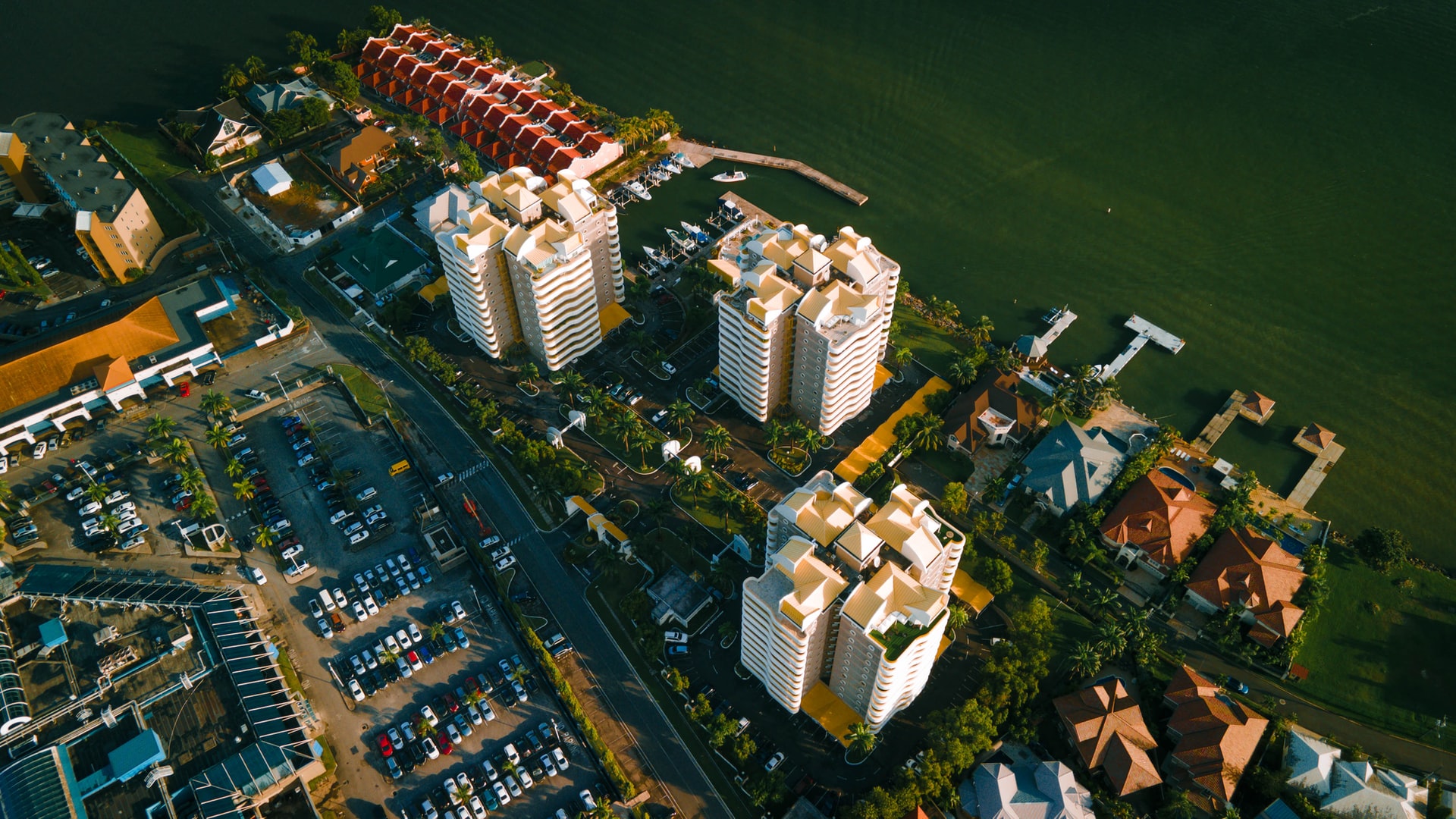
Port-of-Spain is the capital and largest urban centre of Trinidad and Tobago — the twin-island republic at the southern end of the Caribbean archipelago, lying just 11 kilometres off the northeastern coast of Venezuela and geographically, geologically, and ecologically more akin to South America than to the volcanic islands of the Lesser Antilles. The city occupies a narrow coastal plain between the Gulf of Paria (a sheltered inland sea formed by Trinidad's proximity to the Venezuelan mainland) and the dramatic forested ridges of the Northern Range — a mountain chain of up to 940 metres whose jungle-covered slopes rise abruptly behind the city and give Port-of-Spain a spectacularly beautiful natural setting that distinguishes it from the flat or gently rolling coastal capitals of most Caribbean islands. With a metropolitan population of approximately 544,000, Port-of-Spain is the largest and most economically significant city in the anglophone Caribbean — the commercial hub of a country whose petroleum and natural gas wealth (Trinidad and Tobago is the Caribbean's largest oil and gas producer) has given it one of the highest per-capita incomes in the Western Hemisphere and a standard of living, infrastructure, and consumer culture quite unlike the small-island economies of its Caribbean neighbours. Founded as a Spanish colonial settlement (Puerto de España) in 1592 — though significant European settlement did not develop until the late 18th century when the Spanish Crown issued the Cédula de Población of 1783 attracting French Catholic planters from other Caribbean islands with land grants, creating the Francophone creole culture that shaped Trinidad's extraordinary cultural complexity — the city was captured by the British in 1797 and remained a British colony until independence in 1962. Today, Port-of-Spain is celebrated worldwide as the home of the greatest street party on earth — the Trinidad Carnival, held annually in the two days before Ash Wednesday — and as the birthplace of calypso, soca, and the steel pan (steelpan), the only acoustic musical instrument invented in the 20th century, which emerged from the oil drum workshops of the city's working-class communities in the 1930s and 1940s.
Best Time to Visit Port-of-Spain & Weather Guide
Port-of-Spain has a tropical wet/dry climate with two seasons — a dry season of warm sunshine and low humidity, and a wet season of frequent afternoon showers and higher humidity. Trinidad lies outside the main hurricane belt (the island has not experienced a direct hurricane hit since 1933), making it one of the safest Caribbean islands from a storm perspective year-round.
☀️ Dry Season (January–May)
The finest season for visiting Port-of-Spain — warm temperatures (27–32°C), lower humidity, abundant sunshine, and the extraordinary energy of the pre-Carnival season that makes the city one of the most animated and most culturally vibrant places on earth in the months leading up to Carnival. February–March marks the Carnival period: the two days before Ash Wednesday (the exact dates shift annually with the Easter calendar) produce the most spectacular street festival in the Western Hemisphere — a two-day explosion of costumed bands, soca music at ear-splitting volume, and the extraordinary mass participation of the Trinidadian people in a celebration of creative expression, communal identity, and sheer joy that has no parallel anywhere in the world. January is perfect for the Carnival preparatory events — the calypso tents, the steelpan Panorama competition, and the Dimanche Gras show — that for many aficionados are as thrilling as Carnival day itself. Beyond Carnival, the dry season is the ideal time for Tobago's beaches, hiking the Northern Range, and birdwatching in the Asa Wright Nature Centre. Book accommodation 6–12 months in advance for Carnival weekend — hotel rooms are the scarcest and most expensive of any event in the Caribbean.
Best Time — Carnival Season🌧️ Wet Season (June–December)
The wet season in Port-of-Spain brings regular afternoon and evening showers of tropical intensity — typically 1–3 hours of heavy rain in the afternoon, followed by clearing skies and a slightly cooler, fresher evening. Temperatures remain warm (26–31°C) and humidity increases substantially, making midday outdoor activity less comfortable than in the dry season. June–August are the wettest months. However, the wet season has significant compensations: the Northern Range rainforest is at its most spectacularly lush and green, the rivers and waterfalls of the interior are running at full force, and the extraordinary wildlife of the Caroni Swamp (the scarlet ibis roost) is most active and most accessible in the wet months when the swamp is at full water level. Hotel rates drop significantly outside Carnival season, and the city's food, music, and cultural life — particularly the Emancipation Day celebrations (1 August) and the Independence Day events (31 August) — provide vibrant and genuinely Trinidadian cultural experiences without the infrastructure pressures of the Carnival peak. October–December brings the lead-up to the Christmas season — the most important social season in Trinidad after Carnival, with parang music (Venezuelan-influenced Christmas carol tradition), pastelle making, and the warm, generous hospitality of the Trinidadian Christmas.
Green Season🎉 Carnival Season (Jan–Feb)
The most extraordinary cultural event in the Caribbean and arguably the greatest street festival in the world — Trinidad Carnival is not a single event but a season of escalating celebration beginning in early January and reaching its climax on the two days before Ash Wednesday. The calendar of Carnival events is breathtaking in its richness: Panorama (the national steelpan competition, with bands of up to 100 players performing elaborate arrangements of soca music at a volume and rhythmic complexity that must be experienced to be believed); the calypso tents (where the year's new calypsoes are performed live in intimate venues, a tradition of social commentary, wit, and musical brilliance maintained for over a century); Dimanche Gras (the grand pre-Carnival show); J'Ouvert (the pre-dawn mud and paint street party that begins Carnival Monday); and the main two days of Carnival Monday and Tuesday — when the masquerade bands (some with thousands of costumed players) take to the streets in a parade of colour, music, and collective joy that is the most intense and most personally transformative experience the Caribbean offers.
Greatest Street Festival on Earth🦜 Birdwatching Season (Year-round)
Trinidad and Tobago is one of the finest birdwatching destinations in the Western Hemisphere — the islands' position adjacent to the South American mainland, combined with their extraordinary habitat diversity (rainforest, mangrove, savanna, and coastal wetland in a small area), produces a bird list of over 470 species, including many South American species not found elsewhere in the Caribbean. The Asa Wright Nature Centre in the Northern Range (32km north of Port-of-Spain) is one of the most celebrated birdwatching lodges in the world — its famous veranda, where visitors sit and watch up to 30 species come to feeders within arm's reach, has introduced more people to tropical birdwatching than perhaps any other site in the hemisphere. The Caroni Swamp (the evening scarlet ibis roost — one of the most spectacular wildlife spectacles in the Americas, where thousands of brilliant crimson birds fly in to roost at sunset in the mangroves) and the Nariva Swamp (blue and gold macaw colony, anaconda, manatee) represent additional world-class wildlife experiences accessible from Port-of-Spain within 1–2 hours.
World-Class BirdwatchingDry Season / Carnival (Jan–May): Light summer clothing — Port-of-Spain is warm (27–32°C) year-round. For Carnival: bring or purchase your costume in advance if playing in a band; comfortable closed-toe shoes for J'Ouvert (the mud and paint can ruin sandals); a small waterproof bag for your phone and valuables on the road. High-factor sunscreen essential for outdoor events.
Wet Season (Jun–Dec): Light summer clothing plus a compact umbrella or waterproof jacket for afternoon showers. Insect repellent for evening outdoor activities and wildlife excursions to Caroni Swamp and Nariva.
Year-round essentials: Trinidad and Tobago uses Type A and B plugs (the same as the US and Canada) at 115V/60Hz — UK and European visitors need both a plug adaptor and voltage converter for 230V devices. ATMs are widely available in Port-of-Spain. USD is widely accepted alongside TTD in tourist-facing businesses. Driving is on the left side of the road. The tap water in Port-of-Spain is generally safe to drink but bottled water is widely available. Trinidad is one of the wealthier Caribbean nations — prices are higher than in many of its neighbours but represent good value compared to European and North American standards.
Top Attractions in Port-of-Spain & Trinidad
Port-of-Spain and its surrounding region offer a remarkable concentration of cultural, natural, and historical attractions — from the world-famous Carnival and the birthplace of steelpan to world-class wildlife, spectacular rainforest hiking, and the extraordinary cultural diversity of a society shaped by African, Indian, European, Chinese, and Amerindian heritage.
🎺 Steelpan & Carnival Culture
The most important and most internationally celebrated cultural contribution of Trinidad to the world — steelpan and Carnival are not merely tourist attractions but the living, breathing heart of Trinidadian national identity, experienced most authentically not at a performance venue but in the community spaces where they were born and developed. The panyard — the community steelband rehearsal space, typically a large covered area in a working-class neighbourhood where the band's 60–100 players rehearse their Panorama arrangements for months before the competition — is the most authentic and most genuinely Trinidadian cultural space accessible to visitors. Visiting a panyard during the Carnival season (January–February), watching the musicians rehearse their complex arrangements with the physical energy and musical sophistication of a full orchestra, is one of the most extraordinary and most personally moving musical experiences available in the Caribbean. Fonclaire, Renegades, Desperadoes (from the Laventille hillside — the birthplace of steelpan), and Phase II Pan Groove are among the most celebrated steelbands, all with community panyards accessible to respectful visitors during the rehearsal season. The National Museum and Art Gallery houses the finest collection of steelpan historical artefacts and Carnival history.
Birthplace of Steelpan🦜 Asa Wright Nature Centre
One of the most celebrated birdwatching destinations in the Western Hemisphere and the finest single nature experience accessible from Port-of-Spain — the Asa Wright Nature Centre, located at 380 metres elevation in the Northern Range rainforest approximately 32km north of the city along the Arima–Blanchisseuse Road, occupies the site of a former cocoa and coffee estate whose plantation house has been converted into one of the world's most famous birdwatching lodges. The centre's veranda — where visitors sit and observe up to 30 species of hummingbirds, tanagers, motmots, woodpeckers, and other forest birds coming to feeders within arm's reach — is one of the most accessible and most immediately rewarding wildlife encounters in the Americas; within minutes of arrival, even the most casual visitor is surrounded by an extraordinary diversity of brilliantly coloured birds at intimate distances. The centre's trail network through the Northern Range forest provides access to one of the finest intact lowland rainforests in the Caribbean, with over 170 species recorded on the estate. Guided night excursions to the oilbird cave (guacharo) — a cave in the estate forest where hundreds of oilbirds (Steatornis caripensis, the only nocturnal fruit-eating bird in the world) nest in accessible cliff niches — is one of the most extraordinary wildlife experiences in the Caribbean.
World-Class Birdwatching Lodge🦩 Caroni Swamp — Scarlet Ibis Roost
One of the most spectacular wildlife spectacles in the Americas and an unmissable experience for any visitor to Trinidad — the Caroni Swamp, a 56km² mangrove wetland on the west coast of Trinidad approximately 12km south of Port-of-Spain, is the home of the evening scarlet ibis roost: the daily return of thousands of Trinidad's national bird (Eudocimus ruber — the most brilliantly coloured wading bird in the world, whose plumage is an intense, almost fluorescent crimson produced by the carotenoids in the crustaceans of its diet) to their mangrove roost at sunset creates one of the most extraordinary and most visually overwhelming wildlife spectacles available anywhere in the Western Hemisphere. Guided boat tours depart from the Caroni landing in the late afternoon, navigating through the channels of the swamp past blue crabs, spectacled caimans, anacondas, and the extraordinary diversity of Caroni's resident waterbirds (tricoloured heron, anhinga, jacana, purple gallinule) before reaching the roost area as the sun sets and the ibis begin to arrive in their hundreds and thousands — landing in the mangrove canopy until the entire tree glows crimson in the fading light. One of the most moving and most personally unforgettable wildlife experiences in the Caribbean; guide Tony Sirju is the most celebrated and most knowledgeable of the Caroni boat operators.
Scarlet Ibis Spectacle🏛️ Queen's Park Savannah & Magnificent Seven
The most important public space in Trinidad and the social heart of Port-of-Spain — the Queen's Park Savannah, a vast open parkland of 260 acres (the largest roundabout in the world, according to the Guinness Book of Records) in the northern part of the city centre, is the venue for Carnival events, concerts, public celebrations, and the daily social life of Port-of-Spain — its perimeter road lined with the food vendors, coconut carts, and evening social activity that constitute the most characteristic and most enjoyable street-food experience in Trinidad. The northern edge of the Savannah is flanked by the Magnificent Seven — a row of seven extraordinary colonial-era mansions built in the late 19th and early 20th centuries in an exuberant mixture of architectural styles (French Baroque, English Gothic, Moorish, and various Caribbean colonial hybrids) that represent the finest collection of Victorian-era Caribbean architecture in the region: Stollmeyer's Castle (a Scottish baronial fantasy of turrets and battlements), Queen's Royal College (French Second Empire), Archbishop's House (Romanesque), and the others create a streetscape of extraordinary architectural richness and cultural complexity that is one of the most distinctive and most photographed urban environments in the Caribbean. The Emperor Valley Zoo and Royal Botanic Gardens, both adjacent to the Savannah, are additional attractions of considerable quality.
Colonial Heritage & City Park🍜 Maraval Road & Food Culture
Port-of-Spain's food scene is the most diverse and most culinarily sophisticated in the Caribbean — a direct reflection of the extraordinary ethnic diversity of Trinidadian society, where African, Indian, Chinese, Syrian-Lebanese, Portuguese, and Creole culinary traditions have been combined, hybridised, and refined over two centuries of cultural exchange to produce a food culture of remarkable richness and originality. The doubles (bara — fried dough, filled with curried chickpea — the most beloved Trinidadian street food, consumed in enormous quantities for breakfast and throughout the day from roadside stalls throughout the city), the roti (the dhalpuri and paratha flatbread wraps of the Indo-Trinidadian tradition, filled with curried meat or vegetables — the finest roti in the Caribbean is found at the roadside shops of East Indian-predominant suburbs like Curepe and San Fernando), and the bake and shark (fried shark fillet in fried bread, garnished with everything imaginable — the signature beach food of Maracas Bay) represent the three most essential Trinidadian food experiences. The Maraval Road corridor, the St. Clair area, and the restaurant strip of Ariapita Avenue (known locally as "The Avenue") provide the most concentrated and most diverse dining experience in the city.
Caribbean Culinary Capital🏖️ Maracas Bay Beach
The most beautiful and most celebrated beach accessible from Port-of-Spain and the beach that every Trinidadian considers their national beach — Maracas Bay, located approximately 40 minutes north of the city centre over the spectacular North Coast Road that winds through the rainforest of the Northern Range before descending to the coast, is a long, sweeping bay of golden sand enclosed by jungle-covered headlands and backed by the Northern Range mountains in a setting of extraordinary natural beauty. The beach is famous throughout the Caribbean for the bake and shark food vendors whose stalls line the beach road — every Maracas visitor eats at least one bake and shark, the freshly fried shark fillet in fried dough topped with shado-beni (Caribbean coriander), garlic, tamarind, and the pepper sauce of your choice, washed down with a cold Carib beer in the shade of the palm trees. The drive over the Northern Range to Maracas — through dense rainforest, with spectacular panoramic views of the Gulf of Paria and the Venezuelan mountains on the southward approach and the Atlantic coastline on the northward descent — is one of the most beautiful short road journeys in the Caribbean.
Trinidad's Iconic Beach⛪ National Museum & Frederick Street
The most important cultural institution in Trinidad and Tobago and the finest introduction to the country's extraordinary historical and cultural heritage — the National Museum and Art Gallery of Trinidad and Tobago, located on Frederick Street in the heart of central Port-of-Spain in a handsome colonial building, houses the most comprehensive collection of Trinidadian and Caribbean art, history, and natural science in the region: the steelpan collection (tracing the instrument's development from the earliest dented oil drums of the 1930s to the modern concert-quality instruments of the 21st century — the most important historical collection of steelpan artefacts in the world); the Carnival collection (historic costumes, photographs, and documentation of Carnival's development from the post-emancipation celebrations of freed Africans in the 1830s to the global spectacle of the contemporary Carnival); the natural history galleries covering Trinidad's extraordinary biodiversity; and the Trinidadian art collection. The adjacent Frederick Street — the main commercial artery of central Port-of-Spain, lined with the shops, food vendors, and street life of the city's downtown — provides the most immersive and most characteristically Trinidadian urban walking experience in the capital.
National Heritage🌿 Northern Range Rainforest & Waterfalls
The most spectacular and most biodiverse natural landscape in Trinidad — the Northern Range, the chain of forested mountains rising directly behind Port-of-Spain to heights of up to 940 metres, preserves the finest and most accessible rainforest in the Eastern Caribbean and provides some of the most dramatic and most rewarding hiking available on any Caribbean island. The Maracas Waterfall (accessible by a 1.5-hour jungle trail from the Maracas Valley road — a spectacular series of cascades dropping through primary forest into clear natural swimming pools), the Avocat Waterfall (a single impressive plunge in a beautiful forested gorge near Blanchisseuse on the North Coast), and the network of trails maintained by the Forestry Division through the Northern Range National Forest provide outstanding hiking in a forest of extraordinary biodiversity — the Northern Range supports over 100 species of orchid, the world's largest population of nesting leatherback turtles (on the beaches of the northeast coast, accessible from Port-of-Spain for an unforgettable night excursion during the March–August nesting season), and more species of bird per square kilometre than any comparable area in the Western Hemisphere.
Rainforest & WaterfallsLocal Food Recommendations
Port-of-Spain's food scene is the most diverse and most culinarily sophisticated in the Caribbean — the product of a society shaped by African, Indian, Chinese, Syrian-Lebanese, Portuguese, and Creole culinary traditions that have been combined over centuries to produce a food culture of remarkable originality and personal generosity.
🍽️ Must-Try Trinidad Dishes
- Doubles — the most beloved Trinidadian street food and the breakfast staple of the nation: two small bara (flat, soft fried breads of East Indian origin, made from seasoned flour and split peas) filled with channa (curried chickpea of extraordinary depth and flavour, seasoned with shadow beni — the Caribbean coriander herb — cumin, and scotch bonnet pepper) and topped with mango chutney, pepper sauce, tamarind sauce, cucumber, and the garnishes of your choice. Sold from street carts and roadside stalls throughout Port-of-Spain from early morning until the last doubles vendor sells out (typically mid-morning), at approximately TTD 7–12 (USD 1–1.80) each. The morning doubles run — joining the queue at your neighbourhood doubles vendor, eating two or three doubles standing at the cart in the early morning light — is the most quintessentially Trinidadian breakfast experience available and one of the finest and most affordable street food encounters in the Caribbean.
- Roti — the great flatbread tradition of Indo-Trinidadian cooking and the most important food contribution of the Indian diaspora to Caribbean cuisine: dhalpuri (flatbread stuffed with ground split peas and cumin — the finest and most labour-intensive of the roti types, its pastry-like layers releasing the ground peas in fragrant bursts with each bite) and paratha (buss up shut — "busted-up shirt" — the flaky, layered flatbread torn into shreds and served with curried meats and vegetables) are the two most celebrated roti styles in Trinidad. Filled with curried goat, chicken, shrimp, potato, or dal (split peas), and served with achar (mango or tamarind chutney) and pepper sauce, the roti wrap is one of the most satisfying and most distinctively Trinidadian meals available at every roti shop in the city for TTD 35–70 (USD 5–10) per wrap. The roti shops of Debe (an hour south of Port-of-Spain, the spiritual home of the finest roti in Trinidad) and Curepe Junction are pilgrimage sites for roti enthusiasts.
- Bake and Shark — the iconic beach food of Trinidad and the most photographed street food in the Caribbean: bake (a soft, slightly sweet fried dough bread of considerable lightness and depth) filled with seasoned fried shark fillet (or kingfish, for the shark-averse) and loaded with the full complement of garnishes — lettuce, tomato, shado beni sauce, garlic sauce, tamarind, chadon beni, pineapple, and the nuclear-level pepper sauce for which Trinidadians are legendary — is the definitive Maracas Bay food experience and one of the most deeply satisfying and most original fast food preparations in the Western Hemisphere. Eating bake and shark at Richard's or Natalie's on Maracas Beach, with cold Carib beer, sand between your toes, and the Atlantic waves breaking 20 metres away, is a genuinely perfect Caribbean experience.
- Pelau — the great one-pot national dish of Trinidad and one of the finest expressions of the African-Caribbean cooking tradition: pelau, a one-pot preparation of caramelised chicken or beef slow-cooked with rice, pigeon peas, coconut milk, and the aromatics of the Trinidad kitchen (thyme, shadon beni, scotch bonnet, and the browning — caramelised sugar — that gives the dish its distinctive deep mahogany colour and slightly sweet, smoky flavour), is the food of Sunday family gatherings, beach lime, and celebratory occasions throughout Trinidad. A pot of pelau, prepared on a beach with chicken bought that morning, cooked over a wood fire in the shade of a coconut palm while the Mighty Sparrow plays from a Bluetooth speaker, is the most completely Trinidadian outdoor eating experience available.
- Crab and Callaloo — the most celebrated and most distinctively Trinidadian of the traditional Sunday dishes: callaloo, a smooth, intensely flavoured green soup made from dasheen (taro) leaves slow-cooked with coconut milk, okra, crab, and the seasonings of the Trinidad kitchen (chadon beni, thyme, pimento peppers, and scotch bonnet), is simultaneously a soup, a sauce, and a cultural institution — the Sunday callaloo pot is the most important cooking event of the Trinidadian domestic week, and the quality of a cook's callaloo is the measure of their culinary reputation. Served with rice, macaroni pie, fried plantain, and stewed chicken as the components of the classic Sunday lunch, crab and callaloo represents the pinnacle of Trinidadian home cooking and the most deeply rooted expression of the country's African culinary heritage.
🍺 Drinks & Social Culture
- Carib Beer — the national lager of Trinidad and Tobago and the most culturally significant commercial beverage in the country: Carib (brewed in Port-of-Spain since 1950 by Carib Brewery, the dominant brewing company in the anglophone Caribbean) is a clean, cold, highly carbonated pale lager of genuine refreshing quality — the cold Carib at a beach lime, a fête, a Carnival lime, or a panyard on a hot Trinidad night is one of the most quintessentially Trinidadian social experiences. Stag Beer (Carib's more robustly flavoured stablemate, marketed primarily to men with the slogan "A Man's Beer") and Solan Stout are additional Carib Brewery products of quality. The bottle of Carib on the ice, shared at a communal cooler at a beach lime or a backyard fête with friends, is the most deeply embedded social ritual of Trinidadian outdoor life.
- Rum and Angostura Bitters — Trinidad's most internationally famous beverage contribution and the world's most important aromatic bitters: Angostura Bitters, produced since 1830 by the House of Angostura (formerly in the Venezuelan city of Angostura, now in Port-of-Spain), is the most widely used cocktail ingredient in the world — the bitters that appear in every bar from London to Tokyo bearing the trademark oversized label and the recipe secret known only to a handful of people. Trinidad is also home to an important rum tradition: Angostura 1919 (one of the finest aged Caribbean rums, award-winning and available at the Angostura distillery and visitors' centre), Fernandes Black Label, and the traditional puncheon rum (overproof white rum, 75% ABV — the traditional spirit of working-class Trinidad, consumed neat or in bush rum cocktails of considerable impact) represent the full range of Trinidadian rum culture.
- Rum Punch and Sorrel — the social drinks of the Trinidad festive season: rum punch (fresh lime juice, sugar syrup, water, Angostura rum, and a dash of Angostura Bitters — the simplest and most perfectly balanced of Caribbean cocktails, found at every fête, party, and beach lime in Trinidad) and sorrel (the most beloved seasonal drink of the Trinidad Christmas — a brilliant crimson infusion of dried hibiscus (Hibiscus sabdariffa) with ginger, cinnamon, and cloves, sweetened and served chilled, with or without rum, in quantities that reflect the extraordinary importance of the Christmas season in Trinidadian social culture) represent the two poles of Trinidadian festive drinking — the year-round rum punch and the once-a-year sorrel of Christmas.
- Mauby and traditional drinks — the non-alcoholic traditional beverages of Trinidad reflect the country's cultural complexity: mauby (a slightly bitter, slightly sweet drink brewed from the bark of the mauby tree — an acquired taste of considerable local devotion, sold by street vendors throughout Port-of-Spain as the most traditional non-alcoholic drink of the Trinidad market), coconut water (from fresh green coconuts, sold from carts and roadside stalls throughout the city at TTD 8–12 / USD 1.20–1.80 each — the finest natural hydration available in the Caribbean heat), and the fresh fruit juices (passion fruit, pineapple, soursop, guava) of the Trinidad wet bar and roadside juice stall complete the landscape of Trinidadian non-alcoholic beverages.
🍽️ Where to Eat — Local Tips
- Ariapita Avenue ("The Avenue") — Woodbrook — the most concentrated and most diverse restaurant strip in Port-of-Spain, running through the Woodbrook neighbourhood approximately 1.5km west of the city centre: a kilometre-long strip of restaurants, bars, and casual dining venues covering every culinary style from traditional Trinidadian to Indian, Chinese, Mediterranean, and contemporary Caribbean fusion. Chaud (the finest upscale Trinidadian-inspired cuisine on The Avenue), Buzo Osteria Italiana (excellent wood-fired pizza and Italian food), and Trotters (the most popular sports bar and grill) represent the range of quality available. The Avenue is at its most animated on weekend evenings, when the entire restaurant strip comes alive with the social energy of the Port-of-Spain middle class at its most relaxed and most hospitable — a genuinely enjoyable and thoroughly Trinidadian evening out.
- Richard's Bake and Shark (Maracas Bay) — the most famous and most beloved street food vendor in Trinidad, and a culinary pilgrimage site for every visitor to the island: Richard's has been serving bake and shark from the same Maracas Beach location for decades, and the combination of the perfectly fried shark fillet, the soft fresh bake, and the extraordinary array of house-made sauces and garnishes creates a food experience that is simultaneously elemental and complex, deeply satisfying and completely original. The queue is long on weekends — arrive early or late in the afternoon for the best experience.
- Doubles vendors — early morning, throughout the city — the best doubles in Port-of-Spain are found at the legendary street carts that have operated from the same corners for decades: Singh's Doubles on Mucurapo Road, Sauce's on the way to Maracas, and numerous neighbourhood vendors throughout the city's residential areas serve the finest doubles between 6am and 10am, when they are freshest. Ask your hotel concierge or any Trinidadian for the location of their personal favourite doubles vendor — the answer will be given with the passion and conviction of a wine lover recommending a great vineyard.
- Breakfast Shed (Wrightson Road) — the most authentic and most affordable traditional Trinidadian breakfast experience in central Port-of-Spain: the Breakfast Shed (actually a government-managed covered food court on the waterfront) serves a rotating selection of traditional Trinidadian breakfasts — salt fish buljol with bake, smoked herring with provision, corn soup, and the full range of creole morning food — from early morning to midday at prices of TTD 30–70 (USD 4.50–10) per complete meal. Popular with civil servants, port workers, and market traders; one of the most genuine and most personally engaging food experiences in the city.
- Indian restaurants — St. James — the St. James neighbourhood, west of Port-of-Spain city centre along the Western Main Road, is the most animated and most cosmopolitan late-night dining strip in Trinidad: Indian restaurants, roti shops, Chinese takeaways, and the extraordinary diversity of Trinidadian street food operate around the clock, providing the most complete and most authentically local late-night food experience in the capital. The Indo-Trinidadian cooking of St. James — particularly the curried duck, the pumpkin talkari, and the dal puri roti — represents the finest and most deeply rooted expression of Trinidad's East Indian culinary heritage.
🎶 Music, Arts & Culture
- Port-of-Spain's music culture is the most important and most internationally influential in the Caribbean — the birthplace of calypso (the most politically charged and most intellectually sophisticated popular music tradition in the Western Hemisphere, with a history of social commentary, verbal wit, and musical complexity stretching back to the 19th century), soca (the high-energy Carnival music of the late 20th and 21st centuries — a fusion of calypso with soul and Caribbean rhythms that has become the dominant popular music of the anglophone Caribbean), and steelpan (the only acoustic musical instrument invented in the 20th century). Experiencing live calypso at one of the traditional calypso tents during the Carnival season — where the year's new compositions are performed and debated with the passion and participation of an informed audience who understand every word and every double entendre — is one of the most intellectually and musically rewarding cultural experiences in the Caribbean.
- The National Carnival Commission and the Carnival Institute of Trinidad and Tobago maintain the infrastructure of the world's greatest festival — from the design of the masquerade band costumes (which some of Trinidad's finest artists have elevated to a major contemporary art form) to the judging of the Panorama steelpan competition and the crowning of the Calypso Monarch. Visitors can engage with the full depth of Carnival culture through the workshops, exhibitions, and events organised by these institutions throughout the Carnival season.
- Trinidad's visual arts scene — centred on the National Museum, the 101 Art Gallery, and the commercial galleries of the Woodbrook and St. Clair areas — has produced internationally recognised artists of significant quality, particularly in the traditions of Carnival mas design and the Trinidadian landscape painting tradition. The work of Peter Minshall — the most celebrated mas designer in Carnival history, whose masquerade bands redefined Carnival costume design as contemporary art — is exhibited in museums from Port-of-Spain to New York.
- The Trinidad Theatre Workshop, founded by Nobel Prize-winning playwright Derek Walcott (St. Lucia-born but Trinidad-based for much of his career), maintains the finest theatrical tradition in the anglophone Caribbean, with productions ranging from Walcott's own plays to classic and contemporary Caribbean and international works. The Central Bank Auditorium and the Queen's Hall are the main performance venues for theatre, classical music, and major cultural events.
Day Trip Itineraries from Port-of-Spain
Trinidad's compact geography and Tobago's short flight distance make an extraordinary range of day trips and overnight excursions accessible from Port-of-Spain — from leatherback turtle nesting on the northeast coast to the pristine coral reefs of Tobago:
🐢 Day Trip / Night Excursion: Leatherback Turtles
Travel time: 2–2.5 hours northeast by road to Matura or Grande Rivière | Cost: Guide TTD 200–350 (USD 30–52) per person; best as overnight
One of the most extraordinary and most emotionally overwhelming wildlife experiences in the Western Hemisphere — Trinidad's northeast coast (Grande Rivière and Matura Beach) hosts the largest concentration of nesting leatherback turtles (Dermochelys coriacea — the world's largest reptile, reaching up to 2 metres in length and 900kg in weight) of any beach in the world during the nesting season (March–August), with up to 500 turtles coming ashore on a single night at Grande Rivière at the peak of the season. Guided night excursions — mandatory, operating under strict conservation protocols that protect the turtles and their eggs while providing visitors with the most intimate and most personally moving wildlife encounter available in the Caribbean — allow visitors to watch a leatherback turtle emerge from the sea, dig her nest, lay her eggs, and return to the ocean in a process unchanged for 150 million years. Grande Rivière is the better and more visited beach, with excellent community-operated accommodation and guided tours; staying overnight allows the early morning hatchling release in addition to the nesting observation.
Leatherback Turtle Nesting🏖️ Overnight: Tobago
Travel time: 20 minutes by Caribbean Airlines domestic flight or 2.5 hours by fast ferry | Cost: Flight TTD 300–500 (USD 45–75) return; best as 2–3 nights
Tobago — Trinidad and Tobago's smaller, quieter island partner — is one of the finest unspoilt beach and diving destinations in the Caribbean: a lush, largely undeveloped island of extraordinary natural beauty, with some of the finest coral reefs in the Atlantic (Buccoo Reef, the Speyside dive sites, and the underwater plateau of Sisters Rocks are among the Caribbean's most celebrated marine environments), magnificent rainforest (the Main Ridge Forest Reserve — the oldest protected forest in the Western Hemisphere, established in 1776), pristine beaches of remarkable beauty (Englishman's Bay, Parlatuvier Bay, Castara), and the charming colonial town of Scarborough (Tobago's capital, with the fine Fort King George overlooking the harbour). Tobago's unhurried, friendly atmosphere and its world-class natural environment — accessible from Port-of-Spain within 20 minutes by air — make it one of the finest 2–3 day excursions available from any Caribbean capital.
Island Paradise & Diving🌿 Day Trip: Nariva Swamp & Bush Bush
Travel time: 1.5 hours southeast by road | Cost: Guide TTD 300–500 (USD 45–75) per person; Forestry Division permit required
The finest freshwater wetland wildlife experience in the Caribbean — the Nariva Swamp, on Trinidad's east coast, is the largest freshwater wetland in the Eastern Caribbean and a Ramsar Wetland of International Importance: its extraordinary habitat diversity (moriche palm swamp, gallery forest, and the Bush Bush Wildlife Sanctuary island) supports a wildlife population of remarkable richness including the blue and gold macaw (re-established after near-local extinction — the only wild macaw population in Trinidad), green anaconda, West Indian manatee, giant river otter, red howler monkey, and over 200 species of bird. The Bush Bush island — accessible by dugout canoe with a licensed guide — provides one of the most authentic and most personally rewarding wildlife encounters in the Caribbean, in a wetland landscape of extraordinary beauty far removed from the tourist infrastructure of the coast.
Freshwater Wildlife Sanctuary🧴 Day Trip: Pitch Lake & South Trinidad
Travel time: 1.5–2 hours south by road to La Brea | Cost: Entry TTD 60 (USD 9); guide available at site
One of the most extraordinary geological features on earth and a uniquely Trinidadian natural wonder — the Pitch Lake at La Brea, in southwestern Trinidad, is the world's largest natural deposit of asphalt (pitch): a 40-hectare lake of semi-solid natural bitumen that has been bubbling slowly to the surface from deep underground petroleum deposits for millennia, creating a landscape of remarkable, slightly surreal character — the surface is walkable (with care), slightly warm to the touch, and dotted with areas of fresh pitch bubbling up to replace the surface that has been commercially excavated since the 19th century. Sir Walter Raleigh reportedly visited the pitch lake in 1595 and used the pitch to caulk his ships; the lake supplied asphalt for many of the world's first paved roads. The guided tour of the lake — walking on the solidified asphalt surface, watching the fresh black pitch bubble in the soft areas, and learning about the geology and industrial history of this completely unique landscape — is one of the most unusual and most genuinely memorable visitor experiences in the Caribbean.
World's Largest Pitch LakeTourist Tips for Port-of-Spain
🚗 Getting Around
- Port-of-Spain's primary urban transport options are private taxis (route taxis operating on fixed-price routes — the most practical option for visitors, with standard fares of TTD 8–20 / USD 1.20–3 per journey on main corridors), maxi-taxis (minibuses on fixed routes serving the suburban corridors — TTD 5–12 per journey, crowded and frequent), and rideshare apps. inDrive and TT Rideshare operate in Port-of-Spain and are strongly recommended — metered, English-language, and significantly more predictable than street taxis for visitors unfamiliar with the route taxi system. Ask your hotel to recommend a reliable private taxi driver for day trips and longer excursions — the quality and local knowledge of a good personal driver significantly enhances the Trinidad experience.
- Piarco International Airport (POS) is located approximately 26km east of Port-of-Spain — a 35–50 minute taxi journey (TTD 150–200 / USD 22–30 by fixed-rate airport taxi; negotiate or confirm the rate before boarding). Airlines serving POS include Caribbean Airlines (the regional hub airline — extensive Caribbean and US connections plus direct to London Gatwick), American Airlines (Miami hub), JetBlue (New York JFK), British Airways (London Gatwick), Virgin Atlantic (London Heathrow), Copa Airlines (Panama City hub), and Surinam Airways. Direct connections from London (British Airways, Virgin, Caribbean Airlines), New York, Miami, and Toronto make Port-of-Spain one of the best-connected Caribbean capitals.
- For the Maracas Bay beach excursion, a private taxi or rental car is the most practical option — the North Coast Road requires a confident driver on its steep, winding mountain sections, but the journey is entirely manageable and the road is in generally good condition. Car rental is available from Piarco Airport from all major international companies at reasonable rates.
- The inter-island ferry service (Caribbean Discovery Cruise) operates between Port-of-Spain and Scarborough, Tobago, with the fast ferry taking approximately 2.5 hours — a pleasant and very affordable way to reach Tobago (TTD 100–200 / USD 15–30 each way) for visitors not in a hurry. The slow ferry (overnight) is a different experience entirely — popular with Trinidadians travelling with vehicles and cargo but less practical for tourists.
💡 General & Carnival Tips
- The Trinidad and Tobago Dollar (TTD) is the national currency, pegged approximately TTD 6.75 = USD 1. USD is widely accepted in tourist-facing businesses, hotels, and the better restaurants; TTD cash is essential for doubles, roti shops, street food, market purchases, and route taxis. ATMs are widely available at banks throughout Port-of-Spain and at the airport. Card acceptance is good at hotels and larger restaurants. Always carry small-denomination TTD notes for daily purchases.
- Trinidad and Tobago uses Type A and B plugs (the same as the US and Canada) at 115V/60Hz — UK visitors need both a plug adaptor and a voltage converter; European visitors need both. Most international hotels have multi-standard power points. Power supply in Port-of-Spain is generally reliable.
- Visa requirements: Citizens of many countries — including the United States, Canada, the United Kingdom, EU member states, Australia, and most Caribbean nations — receive a visa-free entry stamp on arrival for stays of up to 90 days (citizens of some countries are limited to 30 days). All visitors require a passport valid for at least 6 months beyond intended departure, a return or onward ticket, and evidence of sufficient funds. Verify current entry requirements before travel.
- Carnival practical tips: Book accommodation 6–12 months in advance for Carnival weekend — Port-of-Spain hotels sell out completely and prices multiply several times. If playing mas (joining a masquerade band on the road), register with a band at least 3 months in advance online — popular bands sell out equally early. For J'Ouvert, travel light, wear dark or old clothes you don't mind ruining (the mud and paint are the point), and stay with trusted companions throughout. Follow the National Carnival Commission website and social media for the official Carnival calendar and event locations each year.
- The finest Port-of-Spain souvenirs: Angostura Bitters (available everywhere, take home several bottles of the world's most important cocktail ingredient); Angostura aged rum (the 1919 or 12-year expression — some of the finest rum in the Caribbean); Trinidad hot pepper sauce (the scotch bonnet-based sauces of the local producers — Chief, Matouk's, and numerous artisan brands — are outstanding); steelpan miniatures from the National Museum gift shop; calypso and soca music from the music stores of Frederick Street; and Trinidad Carnival photographs and prints from the galleries of Woodbrook and St. Clair.
Apply for Tourist Visa
Citizens of the United States, Canada, the United Kingdom, EU member states, Australia, and most Caribbean nations receive a visa-free entry stamp on arrival at Piarco International Airport for stays of up to 90 days. All visitors require a passport valid for at least 6 months beyond the intended date of departure, a confirmed return or onward ticket, and evidence of sufficient funds for the intended stay. Citizens of countries not on the visa-free list should apply for a visa through the Trinidad and Tobago High Commission or Embassy in their country before travel. Verify current entry requirements before booking. Trinidad & Tobago Visa Information
Important Emergency Numbers
🇹🇹 Port-of-Spain Emergency Contacts
- 🚑 Ambulance: 999
- 🔥 Fire Brigade: 990
- 👮 Police: 990
- 🆘 General Emergency: 999
International Emergency Phone Numbers
Find Flights to Port-of-Spain
Airport Code: POS — Piarco International Airport (26km east of city centre)
Airlines serving POS: Caribbean Airlines (regional hub + direct London Gatwick), British Airways (London Gatwick), Virgin Atlantic (London Heathrow), American Airlines (Miami), JetBlue (New York JFK), Copa Airlines (Panama City), Surinam Airways, and regional Caribbean connections. Airport to city centre by fixed-rate taxi: TTD 150–200 (USD 22–30), 35–50 minutes.
International Airport FinderCurrency in Port-of-Spain
The currency of Trinidad and Tobago is the Trinidad and Tobago Dollar (TTD), pegged approximately TTD 6.75 = USD 1. USD is widely accepted in tourist-facing businesses, hotels, and the better restaurants. ATMs are widely available at banks throughout Port-of-Spain and at Piarco Airport. Card acceptance is good at hotels and larger restaurants; TTD cash is essential for doubles, roti, street food, and route taxis. Port-of-Spain is relatively affordable by Caribbean standards — a cold Carib beer at a Woodbrook bar costs TTD 20–35 (USD 3–5); a doubles breakfast costs TTD 10–20 (USD 1.50–3); a roti wrap costs TTD 35–70 (USD 5–10); a day's guided birdwatching at Asa Wright with transport costs TTD 400–600 (USD 60–90).