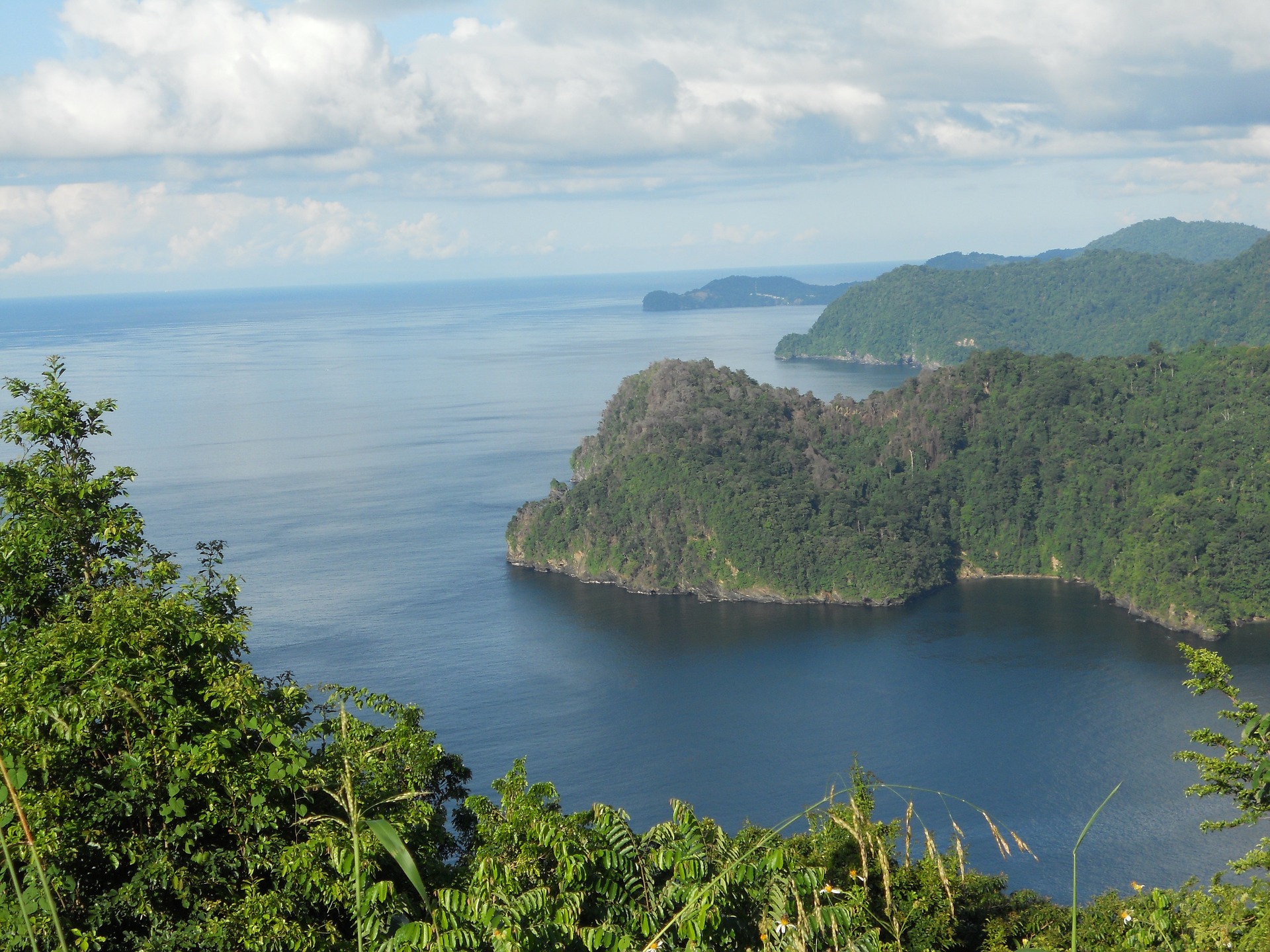
Country's codes
International phone code for Trinidad and Tobago: +1 868
Standard EAN-13 (country barcode): -
 Olympic country code: TRI
Welcome to Trinidad and Tobago, a unique Caribbean destination where vibrant culture, rainforests, beaches, and one of the world’s greatest carnivals come together. This twin‑island nation offers far more than just sun and sand.
Trinidad and Tobago Travel Guide
Trinidad and Tobago is a sovereign Caribbean country located just off the northeastern coast of South America. Comprised of two main islands, it is known for its multicultural heritage, lively festivals, diverse wildlife, and a balance between energetic city life and peaceful natural escapes.
📆 Best Time to Visit Trinidad and Tobago
The best time to visit Trinidad and Tobago is during the dry season from January to May, when rainfall is low and outdoor activities are most enjoyable.
- January – May: Dry season, ideal for beaches and sightseeing
- June – August: Warm with occasional rain, fewer tourists
- September – December: Rainiest period, but lush landscapes
📍 Top Attractions in Trinidad and Tobago
🎉 Port of Spain
The capital city of Trinidad and Tobago, Port of Spain is the cultural heart of the nation, especially during Carnival season, with music, parades, museums, and nightlife.
🌊 Maracas Bay
Trinidad’s most famous beach, known for its scenic setting and iconic bake‑and‑shark street food.
🌿 Asa Wright Nature Centre
A renowned eco‑tourism site in the Northern Range, ideal for birdwatching, rainforest walks, and nature lovers.
🐢 Tobago’s Main Ridge Forest Reserve
One of the oldest protected rainforests in the Western Hemisphere, offering hiking trails, waterfalls, and stunning viewpoints.
🏝️ Pigeon Point Beach
Tobago’s most iconic beach, famous for its white sand, turquoise waters, and relaxed Caribbean atmosphere.
💡 Travel Tips
- Respect local customs — Trinidad and Tobago is culturally diverse and welcoming.
- Public transport is affordable but slow; taxis are convenient for visitors.
- Cash is useful outside major tourist areas.
- Pack light clothing but bring rain gear during the wet season.
🍽️ What to Eat in Trinidad and Tobago
The cuisine reflects African, Indian, Creole, and European influences. Must‑try dishes include:
- Doubles (curried chickpeas in fried bread)
- Callaloo
- Pelau
- Bake and shark
- Fresh seafood and tropical fruit
🚗 Getting Around
Taxis and rental cars are the easiest ways to explore. Ferries and flights connect Trinidad and Tobago, making it easy to experience both islands in one trip.
📞 Important Emergency Numbers
🇹🇹 Trinidad and Tobago Emergency Contacts
- 🚑 Ambulance: 811
- 🔥 Fire Brigade: 990
- 👮 Police: 999 or 911
Useful country information
Total area: 1,981 sq mi (5,131 sq km)
Population (2022 est.): 1.403 million
Capital and largest city (2022 est.): Port-of-Spain, 544,000
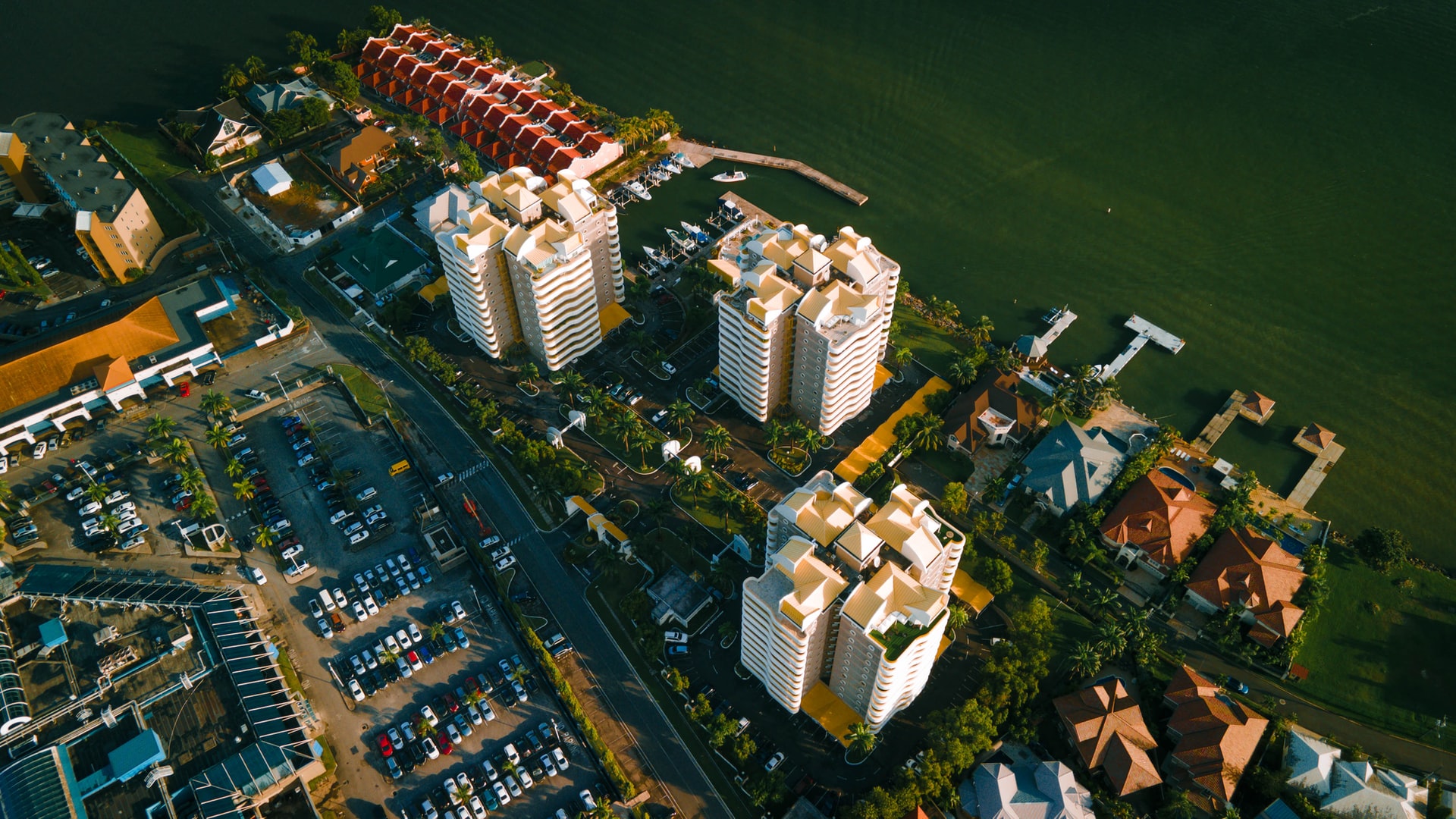
Port-of-Spain: Capital City Profile
Monetary unit: Trinidad and Tobago dollar
Languages: English (official), Hindi, French, Spanish, Chinese
Ethnicity/race: East Indian 35.4%, African 34.2%, mixed - other 15.3%, mixed African/East Indian 7.7%, other 1.3%, unspecified 6.2% (2011 est.)
Religions: Protestant 32.1% (Pentecostal/Evangelical/Full Gospel 12%, Baptist 6.9%, Anglican 5.7%, Seventh-Day Adventist 4.1%, Presbyterian/Congretational 2.5, other Protestant .9), Roman Catholic 21.6%, Hindu 18.2%, Muslim 5%, Jehovah's Witness 1.5%, other 8.4%, none 2.2%, unspecified 11.1% (2011 est.)

Background:
Trinidad and Tobago lie in the Caribbean Sea off the northeast coast of Venezuela.
The islands came under British control in the 19th century; independence was granted in 1962.
The country is one of the most prosperous in the Caribbean thanks largely to petroleum and natural gas production and processing.
Tourism, mostly in Tobago, is targeted for expansion and is growing.