
Ras Al Khaimah Travel Guide — Mountains, Desert, History & the UAE's Most Exciting Destination
Why Visit Ras Al Khaimah? The UAE's Best-Kept Secret Is Becoming Its Hottest Destination
Ras Al Khaimah (RAK) — the UAE's northernmost emirate — has quietly transformed itself from one of the country's best-kept secrets into one of the most exciting tourism destinations in the entire Middle East. Just 45 minutes from Dubai International Airport yet feeling a world away from the city's relentless pace, RAK offers a breathtaking combination that no other emirate can match: the Hajar Mountains rising to 1,934 metres, 64 kilometres of pristine Arabian Gulf beaches, a 7,000-year history with over 1,000 archaeological sites, and a growing world-class resort scene — all at prices that are 40% lower than Dubai.
RAK was named Gulf Tourism Capital for both 2020 and 2021 by the Gulf Cooperation Council, and the emirate's ambitions have grown dramatically since: the RAK Tourism Development Authority aims to attract 3.8 million visitors annually by 2027, helped enormously by the arrival of the Wynn Al Marjan Island — the UAE's first integrated resort and casino, opening in early 2027 in a USD 5.1 billion development that is set to transform RAK into a globally recognised luxury destination.
Tip: Unlike neighbouring Sharjah, alcohol is available at licensed hotels and resort venues in Ras Al Khaimah. Unlike Dubai, RAK is significantly more relaxed, affordable, and uncrowded — a combination that makes it an ideal choice for those wanting a genuine UAE experience without the overwhelming scale of the capital's cities.
Jebel Jais & the Hajar Mountains — Adventure on the Roof of the UAE
The crown jewel of Ras Al Khaimah is Jebel Jais — the highest peak in the United Arab Emirates at 1,934 metres above sea level, rising dramatically from the desert floor in the Hajar Mountain range near the Oman border. The 36km mountain road to the summit — featuring eight hairpin bends and countless sharp corners — is itself one of the finest drives in the Gulf region, with sweeping vistas across mountain ridges, deep wadis, and clear air that feels nothing like the coastal desert below.
World's Longest Zipline — Jebel Jais Flight
The Jebel Jais Flight holds the Guinness World Record for the world's longest zipline at 2.83km — flying at speeds of up to 150km/h, 1,680 metres above sea level, with panoramic views of the Hajar Mountains and the distant Arabian Gulf. The experience lasts approximately 2–3 minutes of pure exhilaration. Cost: from AED 299 per person. Book in advance at jebeljaisflight.com.
Jebel Jais Adventure Activities
Beyond the zipline, Jebel Jais offers an extraordinary range of adventure activities: Via Ferrata (mountain climbing on iron-fixed routes), bungee jumping from a 170-metre platform, mountain biking trails, zip-trek adventures (seated zipline), and a Tobogganing Run — the UAE's first mountain toboggan. The Jebel Jais Viewing Deck Park offers spectacular free sunset views. The highest restaurant in the UAE — the 1484 by Puro — sits at the summit.
Wadi Walking & Mountain Hiking
The ravines and wadis cutting through the Hajar Mountains offer outstanding hiking. Wadi Shawka — a 45-minute drive from RAK city — is the most popular destination, combining off-road driving, natural rock pools fed by springs, waterfalls in winter, and mountain trails through dramatic scenery. The trail offers an all-in-one experience: off-road drives, pool dips, natural springs, greenery, and mountains as a backdrop. Wadi Galilah offers a more challenging multi-hour hike to ancient terraced farms and village ruins.
Best Time for Jebel Jais
The mountains are most spectacular between December and February when temperatures at the summit can drop to 4–10°C — cold enough for frost and occasional light snow flurries in January — a phenomenon utterly unlike anything else in the UAE. In summer the summit is pleasantly cooler than the coast, averaging 25–30°C when Ras Al Khaimah city hits 45°C.
Tip: The mountain road to Jebel Jais is open to all vehicles — no 4x4 required. Depart before 7am for sunrise on the summit — the light on the Hajar Mountains at dawn is extraordinary. Pack a warm layer for the summit even in summer, and a jacket in winter.
Beaches, Al Marjan Island & Resort Living
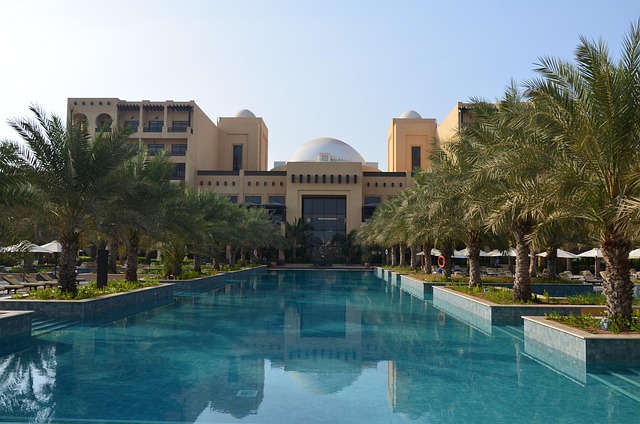
RAK's 64km of Arabian Gulf coastline is among the finest in the UAE — wide, clean, uncrowded beaches backed by luxury resorts, with clear warm water ideal for swimming, snorkelling, kayaking, and water sports. The beach resort scene here rivals anything in Dubai but at a fraction of the price and without the crowds.
Al Marjan Island
Al Marjan Island is a group of four coral-shaped man-made islands extending into the Arabian Gulf — RAK's answer to Dubai's Palm Jumeirah, but quieter, more natural, and dramatically more affordable. The island is lined with luxury beach resorts including Waldorf Astoria RAK, Rixos Bab Al Bahr, Mövenpick Resort Al Marjan, and the DoubleTree by Hilton Marjan Island. From 2027, it will also be home to the Wynn Al Marjan Island — the UAE's first integrated resort, featuring 1,530 rooms, 22 restaurants and lounges, a theatre, nightclub, luxury retail, and a private beach.
Wynn Al Marjan Island — The Future of RAK (Opening 2027)
The USD 5.1 billion Wynn Al Marjan Island will be the UAE's first commercial gaming resort — and the only licensed casino in the Emirates. Its 70-storey, 352-metre tower topped out in late 2025 and is on track to open in early 2027. Even without the casino, the resort's scale is extraordinary: a 420-metre private beach, 12 swimming pools, a deep-water marina, a theatre, and what will be the UAE's most spectacular luxury hotel. About 1.35 million visitors were received by RAK in 2025 — and Wynn Al Marjan's opening is expected to catalyse a full tourism revolution for the emirate.
Water Sports & Beach Activities
RAK's beaches offer an outstanding range of water sports: jet-skiing, parasailing, wakeboarding, kayaking, paddleboarding, and snorkelling are all available from beach operators along the coast. Bananas Island — a short boat ride from the shore — offers excellent snorkelling reefs. Al Hamra Village, south of Al Marjan, has a well-established beach club, marina, sailing centre, and golf course beside the water.
Tip: Al Marjan Island resorts regularly offer significant discounts for UAE residents on weekday stays. For international visitors, RAK beach resorts are consistently 30–50% cheaper than comparable Dubai properties — making them outstanding value for a luxury beach break.
History & Heritage — 7,000 Years of Civilisation
Ras Al Khaimah has a rich history dating back some 7,000 years — making it one of the most archaeologically significant territories in the Gulf. Before the discovery of oil, this was the site of Julfar — one of the most important trading ports on the Arabian Peninsula in the 13th and 14th centuries, famous for its pearl trade and sea routes connecting the Gulf to India, East Africa, and China. RAK has approximately 1,000 archaeological sites, four of which are on the UNESCO Tentative World Heritage List.
Dhayah Fort — The UAE's Only Hilltop Fort
Dhayah Fort is one of the most dramatic historic sites in the UAE — a 19th-century mud-brick fortress perched on a rocky hilltop 200 metres above the surrounding palm groves and wadis of the Dhayah oasis. It is the only hilltop fort still standing in the UAE and the site of the last battle of resistance against British forces in 1820, when local tribes made their final stand before the General Treaty of Peace. The climb to the fort takes about 20 minutes and rewards visitors with sweeping 360-degree views.
Al Jazirah Al Hamra — The UAE's Most Haunting Ghost Town
Al Jazirah Al Hamra is one of the most extraordinary places in the entire UAE — a traditional coastal fishing village abandoned in the 1960s and left entirely intact. Walking through its empty coral-stone houses, crumbling wind towers, old mosque, and silent souq feels like stepping back into the pre-oil Gulf. It is one of the best-preserved traditional villages in the Arabian Gulf and increasingly recognised as a major heritage asset. Free to explore; guided tours are available from local operators.
National Museum of Ras Al Khaimah
Housed in the beautifully restored former palace of the ruling Al Qasimi family, the National Museum of RAK is an outstanding introduction to the emirate's 7,000-year story. Its galleries cover Bronze Age artefacts, ancient manuscripts, traditional Bedouin life, maritime heritage, pearl diving, and the history of the ruling family. The discovery of rare Chinese pottery in 2019 in the ancient Julfar site area points to the remarkable extent of trade that occurred here centuries ago. Entry: AED 5 adults / AED 2 children — extraordinary value.
Shimal Archaeological Site
The Shimal archaeological complex north of RAK city contains one of the most significant collections of Bronze Age tombs on the Arabian Peninsula — including the extraordinary Queen of Sheba's Palace ruins and ancient burial mounds dating back over 4,000 years. One of the UAEs most undervisited and most remarkable archaeological destinations.
Tip: Combine Dhayah Fort and Al Jazirah Al Hamra into a single half-day heritage drive — they are just 20 minutes apart. Visit Al Jazirah Al Hamra at sunset when the warm light turns the coral-stone buildings gold — one of the most photogenic experiences in the UAE.
Desert, Nature & the Great Outdoors
Beyond the mountains and beaches, Ras Al Khaimah offers extraordinary desert and natural landscapes that rival anything in the UAE. The salt flats, rolling red sand dunes, mangrove coastlines, and inland oases give RAK a topographic diversity that is genuinely remarkable for such a small emirate.
Desert Safari & Dune Bashing
RAK's inland desert offers classic Arabian desert safari experiences: dune bashing in 4x4 vehicles, sandboarding, camel riding, and Bedouin-style camp dinners under the stars with traditional food, music, and stargazing. RAK's desert is less trafficked than Dubai's — meaning quieter, more authentic experiences with genuine dark skies for astronomy. Overnight desert camping is increasingly popular and several operators offer premium glamping experiences in the dunes.
Khor Al Beidah — Nature Reserve & Bird Sanctuary
Khor Al Beidah near the Umm Al Quwain border is one of the most important natural habitats in the UAE — a protected tidal inlet, mangrove forest, and wetland sanctuary home to over 200 species of migratory and resident birds, including flamingos, herons, and ospreys. Kayaking through the mangroves at dawn is one of the most serene and beautiful natural experiences in RAK.
Khatt Springs & Hot Springs
Khatt Springs — in the foothills of the Hajar Mountains — are among the few natural hot spring pools in the UAE, with mineral-rich water at temperatures around 40°C flowing year-round. The surrounding gardens and mountain scenery make it a peaceful day-trip destination, particularly refreshing in winter when the mountain air is cool.
Camel Racing & Bedouin Traditions
Ras Al Khaimah maintains some of the UAE's most authentic living Bedouin traditions. The Al Sawan Camel Racetrack in Digdaga hosts regular camel races — a thrilling and completely free spectacle where remote-controlled robot jockeys guide camels at extraordinary speeds in a tradition that goes back thousands of years. Races are typically held on Friday mornings from October to April.
Tip: RAK is a designated Dark Sky destination — the low light pollution from the mountains and desert makes it one of the best places for stargazing in the entire UAE. Several desert camp operators offer astronomy evenings with telescopes from October to April.
Food, Culture & Practical Tips for Visiting RAK
Food & Dining
RAK's food scene reflects its authentic Gulf heritage — fresh seafood from the Arabian Gulf, traditional Emirati Harees (wheat and meat porridge), grilled hammour fish, Bedouin-style slow-roasted lamb, and the freshest dates, pomegranates, and honey from the inland farms of Digdaga and Masafi. Al Hamra Village, Al Marjan Island, and the RAK city waterfront offer the best concentration of restaurants ranging from affordable local eateries to resort fine dining. The city's RAK Corniche fish market is an excellent stop for fresh local seafood.
Best Time to Visit
The best time to visit Ras Al Khaimah is October to April. Temperatures are warm and pleasant (20–30°C at the coast, 10–20°C in the mountains), ideal for outdoor activities, hiking, beaches, and desert adventures. December and January are peak months — the mountains are at their most dramatic, the desert skies their clearest, and the occasional frost at Jebel Jais summit is a magical experience. Avoid June–September when temperatures exceed 45°C on the coast.
Cost of Living & Budget
RAK is approximately 40% cheaper than Dubai overall. RAK offers a relaxed, resort-style life at significantly lower cost than Dubai and is increasingly popular among remote workers, families, and entrepreneurs. A one-bedroom apartment rents for AED 2,000–4,000 per month. Mid-range tourists should budget AED 250–400 per day (USD 68–109) including accommodation, meals, and activities — significantly less than an equivalent Dubai experience.
Alcohol
Alcohol is available at licensed hotel bars, restaurants, and beach clubs in RAK. It is not sold in supermarkets. The legal drinking age is 21. Public intoxication and drink driving carry severe penalties — zero tolerance applies. With Al Marjan Island's growing resort strip expanding rapidly ahead of the 2027 Wynn opening, the number of licensed venues in RAK is increasing significantly.
Getting There & Around
Ras Al Khaimah International Airport (RKT) is served by Air Arabia with direct connections from Europe, Asia, and across the Gulf. From Dubai International Airport, RAK is approximately 45–60 minutes by taxi or car — making it easily reachable without flying. Within the emirate, a car is the most practical option for exploring the mountains, desert, and coastline. Taxis and Careem are available in the city.
Dress Code & Culture
RAK is relaxed and welcoming in atmosphere compared to Sharjah. Modest dress is expected in public spaces, souqs, and mosques — shoulders and knees covered. Beach and resort areas follow standard UAE hotel norms. The emirate has a strong Bedouin cultural identity and visitors are warmly received.
Tip: The RAKEZ Free Zone (Ras Al Khaimah Economic Zone) is one of the most affordable and straightforward business formation options in the UAE — popular with freelancers, startups, and SMEs who want UAE residency and tax advantages at a fraction of the cost of a Dubai free zone licence.
Why Ras Al Khaimah Should Be on Your 2026 UAE Travel List
Ras Al Khaimah is the UAE's greatest value proposition for travellers — a destination that delivers world-class adventure, authentic Arabian heritage, stunning natural landscapes, and luxury beach resorts, all at prices that make Dubai feel almost inaccessibly expensive by comparison.
It is also the UAE's fastest-transforming destination. The arrival of Wynn Al Marjan Island in 2027 — the Gulf's first casino resort — will catapult RAK onto the global luxury tourism map in a way that rivals the opening of Marina Bay Sands in Singapore or the Venetian in Macau. Those who visit now, while RAK still has the unhurried, uncrowded character that makes it so special, are catching the emirate at exactly the right moment.
Ras Al Khaimah in Summary
✅ Best for: Adventure, hiking, beach resorts, heritage, families, budget travellers, remote workers
✅ Don't miss: Jebel Jais zipline, Dhayah Fort, Al Jazirah Al Hamra, Wadi Shawka, Al Marjan Island beach
✅ Key events: Ras Al Khaimah Half Marathon (Jan), UAE National Day (Dec), desert festivals (Oct–Apr)
✅ Best season: October–April (mountains: December–February for cool weather and potential frost)
✅ Alcohol: Available at licensed hotel venues
✅ Cost: ~40% cheaper than Dubai
⭐ Coming 2027: Wynn Al Marjan Island — the UAE's first casino resort and a global landmark
Tip: Check the official Visit Ras Al Khaimah tourism website for current events, guided tour bookings, hotel deals, and the latest information on Al Marjan Island resort openings and Wynn Al Marjan Island progress.


