Country's codes
International phone code for Serbia: +381
3 letters: SRB
2 letters (internet domain): .RS
Digital country code: 688
Standard EAN-13 (country barcode): 860
 Olympic country code: SRB
Serbia: Top Attractions & Best Time to Visit
A land of lively cities, medieval fortresses, mountain escapes, and warm hospitality, Serbia is one of Europe’s most underrated travel gems. Whether you seek history, nature, nightlife, or traditional cuisine, Serbia offers a rich, authentic experience in the heart of the Balkans.
Best Time to Visit Serbia
Serbia experiences four distinct seasons, making it a great year‑round destination. The best time to visit is from May to September, when warm weather makes outdoor sightseeing, festivals, and nature activities especially enjoyable.
For winter lovers, December to February brings snow, cozy cafés, and ski resorts in the country’s mountainous regions.
- May–Jun: Mild temperatures, blooming nature—ideal for hiking and city exploration.
- Jul–Sep: Warm and sunny; peak season for festivals, rivers, and nightlife.
- Oct: Beautiful autumn colors in national parks.
- Dec–Feb: Best for winter sports in Kopaonik or Zlatibor.
Top Attractions in Serbia
Belgrade Fortress & Kalemegdan Park
Overlooking the confluence of the Danube and Sava Rivers, Belgrade Fortress offers scenic views, historical landmarks, and relaxing green spaces. The surrounding Kalemegdan Park is perfect for walking, photography, and sunset views.
Skadarlija – The Bohemian Quarter
A charming cobblestone street known for traditional restaurants, live music, and rich artistic heritage. Often compared to Montmartre, it’s Belgrade’s cultural and culinary heart.
Novi Sad & Petrovaradin Fortress
Serbia’s second-largest city is known for its laid‑back vibe and colorful architecture. Petrovaradin Fortress, set above the Danube, is home to panoramic viewpoints and Serbia’s famous EXIT Festival.
Zlatibor Mountain
A popular mountain retreat with pine forests, spa resorts, traditional villages, and nature trails. Ideal for wellness, fresh air, and relaxed outdoor activities.
Kopaonik National Park
Serbia’s top ski destination in winter and a scenic hiking and cycling area in summer. The national park is known for clean air, open landscapes, and adventure sports.
Studenica & Medieval Monasteries
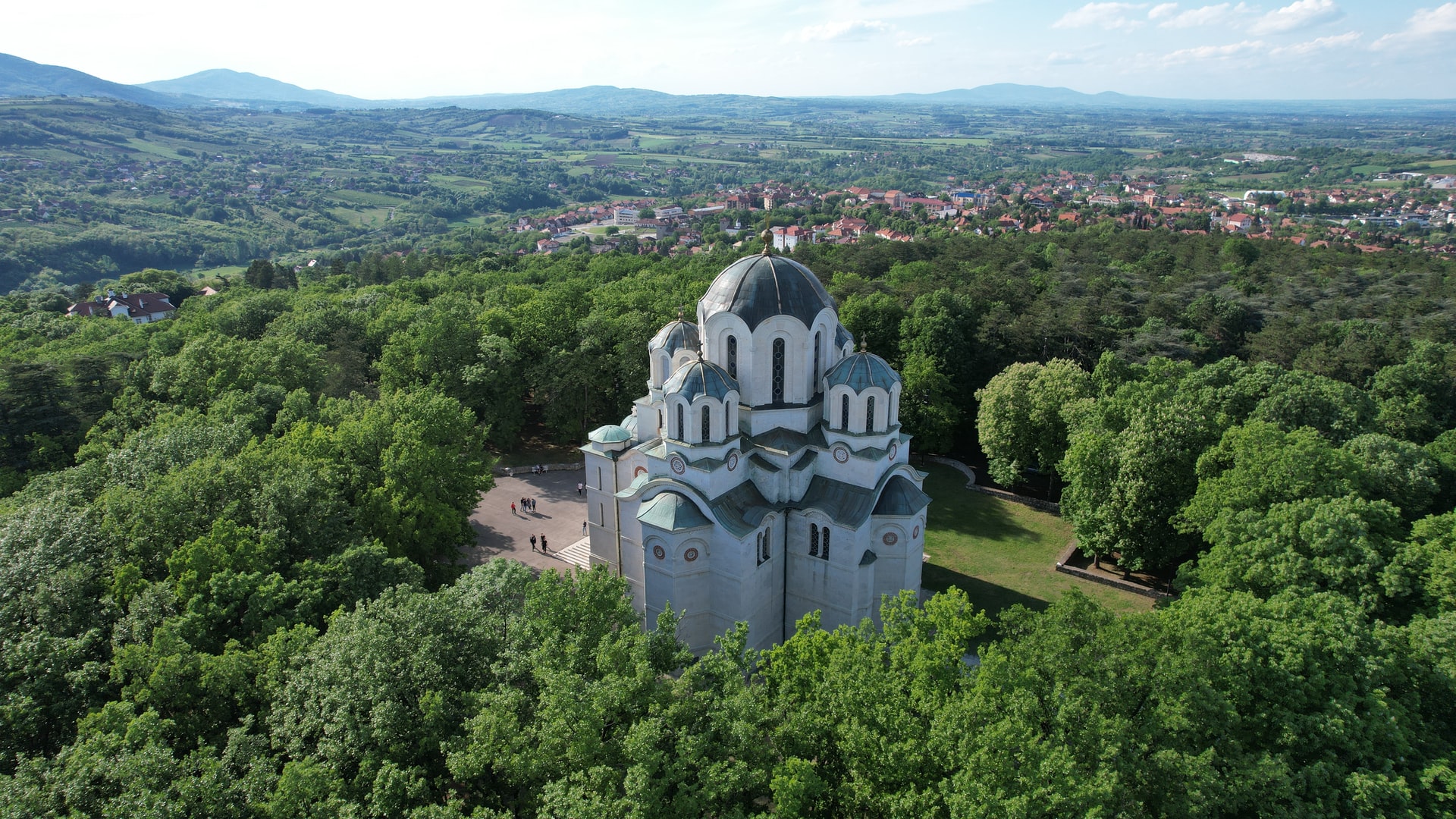
Serbia is home to beautifully preserved monasteries featuring medieval frescoes and peaceful natural surroundings. Studenica and Žiča are among the most impressive examples of Serbian medieval art and architecture.
Uvac Canyon
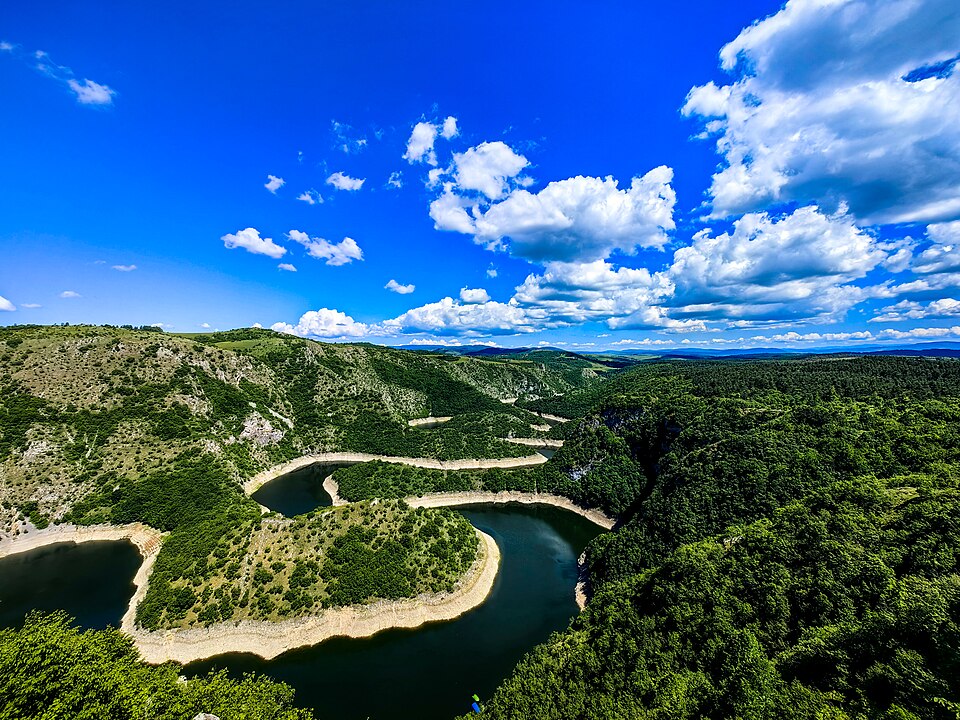
One of Serbia’s most stunning natural wonders—famous for emerald‑green meanders, limestone cliffs, and sightings of the endangered griffon vulture.
Niš Fortress & Čair Park
Niš blends ancient sites with a modern cultural scene. The fortress is a pleasant place to explore, surrounded by cafés, walking paths, and lively city life.
Suggested 6‑Day Itinerary
- Day 1 – Belgrade: Fortress, riverfront, Skadarlija dinner.
- Day 2 – Belgrade: Museums, Zemun, Danube cruise.
- Day 3 – Novi Sad: Petrovaradin Fortress and Old Town.
- Day 4 – Uvac Canyon: Scenic hike and viewpoints.
- Day 5 – Zlatibor: Mountain wellness and traditional villages.
- Day 6 – Niš: Fortress, food markets, cultural walks.
Practical Travel Tips
- Transport: Buses and trains connect major cities; renting a car is ideal for nature trips.
- Food: Try ćevapi, sarma, kajmak, and local bakeries (“pekara”).
- Nightlife: Belgrade is famous for floating Danube clubs (“splavovi”).
- Cash: Cards are accepted widely, but small shops prefer cash.
- Seasons: Pack layers—nights can be cool even in summer.
Useful Country Information
Total area: 88,361 sq km official area. Some international references list about 77,589 sq km excluding Kosovo.
Population: 6.55 million, 2025 estimate.
Capital and largest city: Belgrade.
Official name: Republic of Serbia.
National name: Republika Srbija / Република Србија.
Official language: Serbian. Cyrillic is the official script, while Latin script is also widely used.
Current government officials: View updated list of Serbia’s current leaders and public officials.
Monetary unit: Serbian dinar, RSD.
Capital City: Belgrade
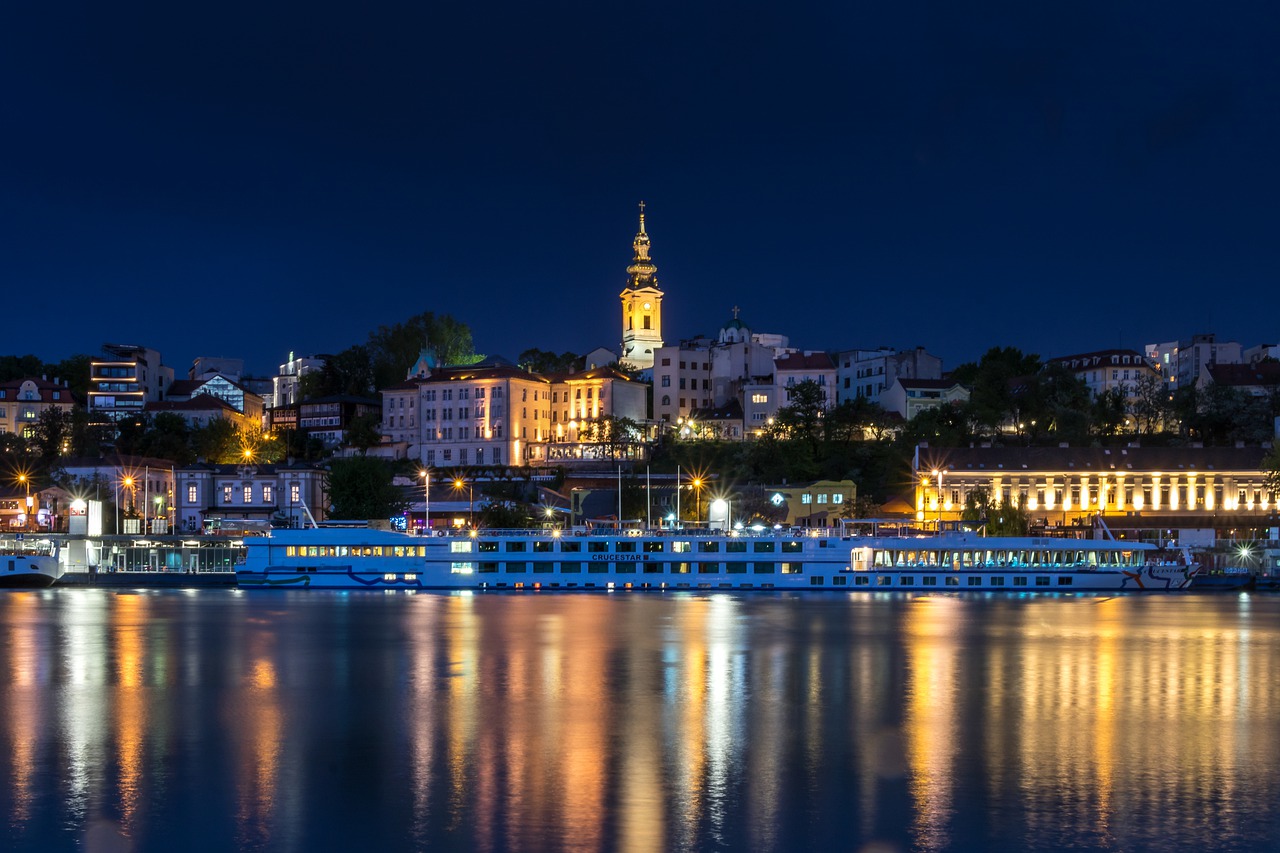
Belgrade is Serbia’s capital and largest city, located where the Sava and Danube rivers meet. It is one of the oldest continuously inhabited cities in Europe and a major cultural, nightlife, and transport hub in the Balkans.
Belgrade: Capital City ProfilePeople, Language and Religion
Ethnicity: Serbs form the majority of the population. Serbia is also home to Hungarian, Bosniak, Roma, Albanian, Slovak, Romanian, Croatian, Montenegrin, Ruthenian, and other communities.
Languages: Serbian is the official language. Minority languages such as Hungarian, Bosnian, Slovak, Romanian, Croatian, Rusyn, Albanian, and others are used in certain municipalities and regions.
Religions: Eastern Orthodox Christianity is the largest religious tradition. Catholic, Muslim, Protestant, and other communities are also present.
Background
Modern Serbia has a long and complex history shaped by medieval Serbian kingdoms, Ottoman rule, Habsburg influence in the north, the rise of modern Serbian statehood in the 19th century, and its later role within Yugoslavia.
After the First World War, Serbia became part of the Kingdom of Serbs, Croats and Slovenes, which was renamed Yugoslavia in 1929. Following the breakup of socialist Yugoslavia in the 1990s, Serbia was part of the Federal Republic of Yugoslavia and later the State Union of Serbia and Montenegro.
In 2006, Montenegro voted for independence, and Serbia became an independent republic and the successor state of the former State Union of Serbia and Montenegro.
Kosovo declared independence in 2008. Serbia does not recognize Kosovo’s independence, and the issue remains one of the most important political questions in the region. Dialogue between Belgrade and Pristina continues with support from the European Union.
Serbia is an official candidate for European Union membership. Accession negotiations began in 2014 and remain ongoing, with progress linked to reforms, rule of law, regional cooperation, and normalization of relations with Kosovo.
Travel Highlights
- Belgrade: historic fortress, riverfront cafés, museums, and nightlife.
- Novi Sad: Petrovaradin Fortress, Danube views, and the EXIT music festival.
- Niš: Roman history, Ottoman heritage, and southern Serbian cuisine.
- Studenica Monastery: one of Serbia’s most important medieval Orthodox monasteries.
- Tara National Park: mountains, forests, viewpoints, and outdoor adventures.
- Đerdap National Park: the Iron Gates gorge along the Danube River.