

Country's codes
International phone code for South Africa: +27
3 letters: ZAF
2 letters (internet domain): .ZA
Digital country code 710
Standard EAN-13 (country barcode): 600-601
 Olympic country code: RSA

South Africa Travel Guide: Top Attractions & Best Time to Visit
South Africa is a land of breathtaking contrasts — from safari-covered savannahs and dramatic coastlines to vibrant cities, rich culture, and world-famous wine regions. It’s one of Africa’s most diverse and rewarding destinations for nature, food, and adventure lovers.
Best Time to Visit South Africa
South Africa’s climate varies by region, making it a year-round destination. Your ideal travel season depends on whether you’re heading for safari, beaches, or urban exploration.
Winter (May–September) is best for wildlife viewing; summer (October–April) is ideal for beaches and sightseeing.
- May–September: Dry season in Kruger — the best time for safaris.
- October–April: Warm summer weather perfect for Cape Town, the Garden Route, and beaches.
- July–October: Whale watching peaks along the southern coastline.
- November–March: Excellent for hiking and outdoor activities in the Western Cape.
Top Attractions in South Africa
Cape Town & Table Mountain
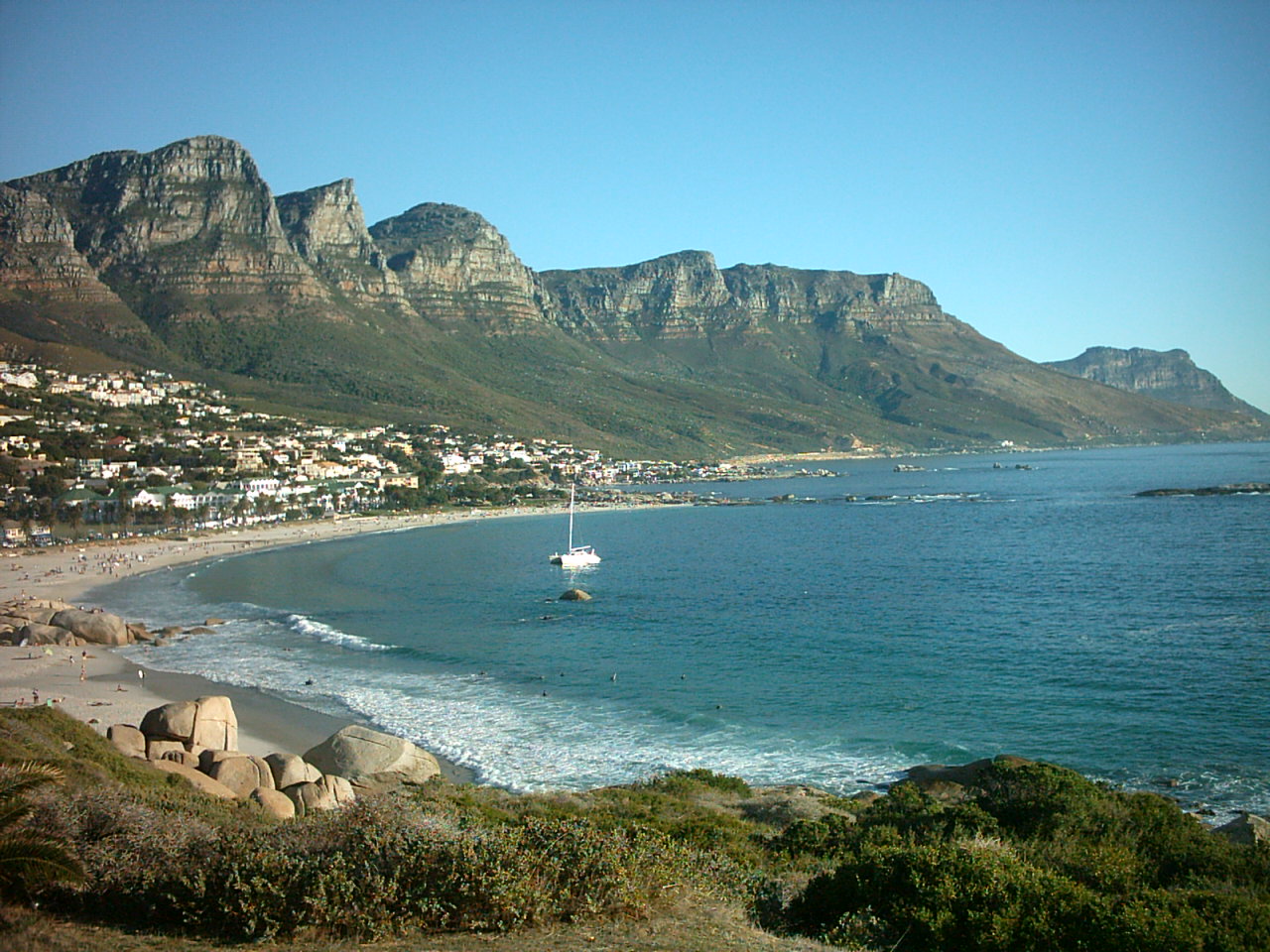
One of the world’s most beautiful cities, Cape Town offers iconic landmarks like Table Mountain, Camps Bay, the V&A Waterfront, and colorful Bo-Kaap. Take the cable car or hike for panoramic views.
CityNatureIconic
Kruger National Park
One of Africa’s greatest safari destinations, home to the Big Five and a variety of wildlife. Offers guided drives, self-drive safaris, and luxury lodges.
SafariWildlifeAdventure
The Garden Route
A scenic coastal drive through forests, cliffs, and beaches. Highlights include Knysna, Plettenberg Bay, and Tsitsikamma National Park — perfect for road trips and hiking.
ScenicRoad Trip
Cape Winelands (Stellenbosch & Franschhoek)
South Africa’s famous wine country offers estate tours, gourmet restaurants, mountain scenery, and charming villages. Ideal for relaxation and fine dining.
WineFood
Durban & the Golden Mile
A warm coastal city known for beaches, surfing, and rich Indian-influenced cuisine. The Golden Mile offers a lively beachfront promenade.
BeachCity
Drakensberg Mountains
Dramatic mountain landscapes perfect for hiking, nature photography, and exploring ancient San rock art sites.
HikingNature
Robben Island
A UNESCO-listed island near Cape Town, known for its historic prison and strong cultural significance. Accessible by boat tours.
HeritageUNESCO
Blyde River Canyon
One of the world’s largest green canyons, offering epic viewpoints, waterfalls, and breathtaking panoramas along the Panorama Route.
ScenicNature
Travel Tips for South Africa
Transportation:
Domestic flights, rental cars, and guided tours make travel convenient.
The Garden Route is particularly popular for self-drive trips.
From wildlife safaris and dramatic coastlines to sophisticated cities and renowned vineyards, South Africa offers one of the most varied travel experiences in the world — perfect for both adventure seekers and slow travelers.
Online Travel Visa Check.
Find Visa information for your destination.Useful country information
Total area: 471,445 sq mi (1,221,037 sq km)
Population (2025 est.): 63.1 million
Administrative capital: Pretoria (Tshwane); Legislative capital and largest legislative city: Cape Town; Judicial capital: Bloemfontein. South Africa is divided into nine provinces: Eastern Cape, Free State, Gauteng, KwaZulu-Natal, Limpopo, Mpumalanga, North West, Northern Cape, and Western Cape. Each province has its own provincial capital.
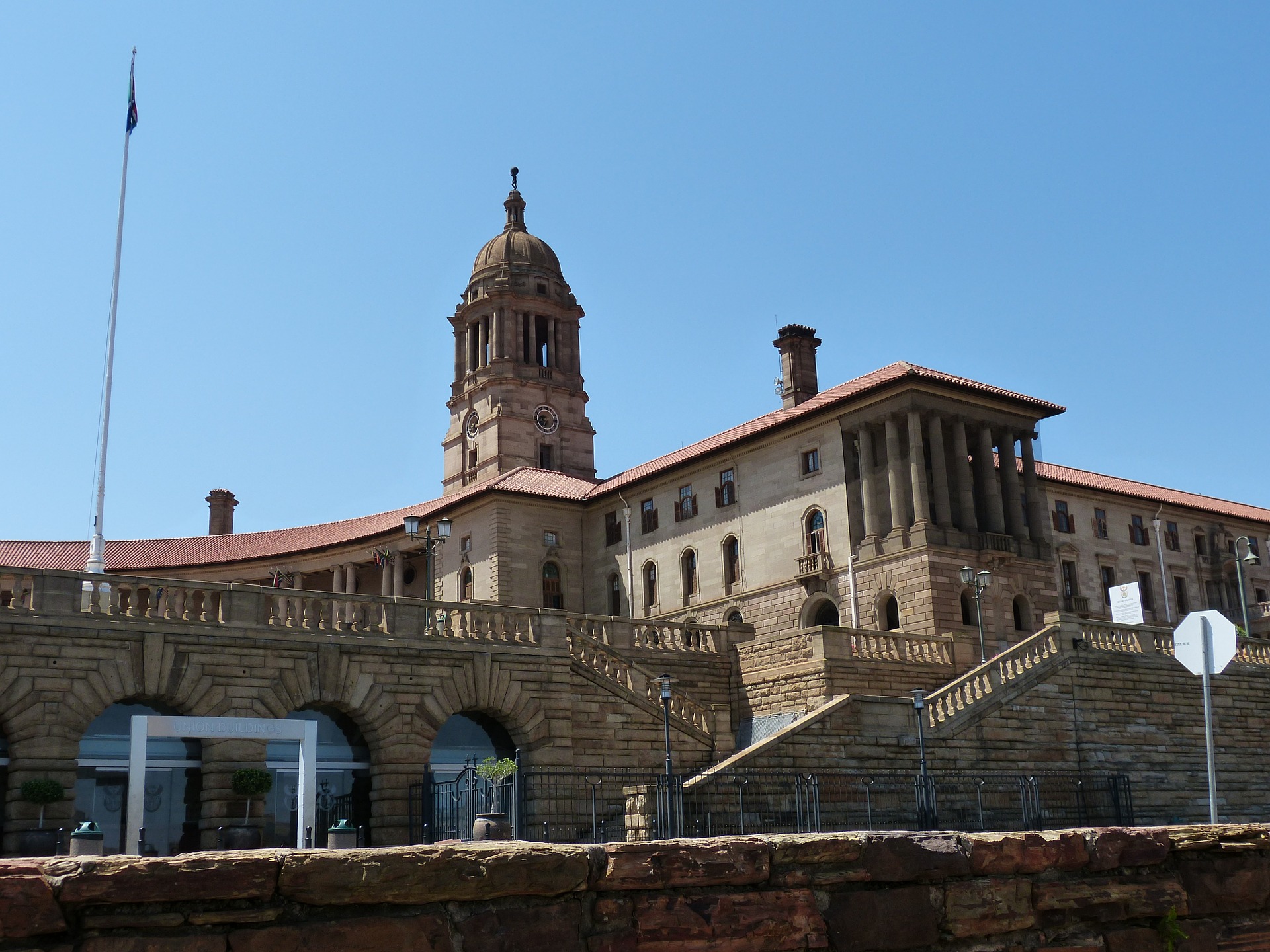
Pretoria: Capital City Profile
Other large cities: Johannesburg, 3.844 million; Ekurhuleni, 3.357 million; Durban, 3.012 million (2011).
Monetary unit: Rand
Current government officials: President: Cyril Ramaphosa; Deputy President: Paul Mashatile.
Languages: IsiZulu 24.4%, IsiXhosa 16.3%, Afrikaans 10.6%, Sepedi 10%, English 8.7%, Setswana 8.3%, Sesotho 7.8%, Xitsonga 4.7%, siSwati 2.8%, Tshivenda 2.5%, isiNdebele 1.7%, sign language and other languages spoken nationwide (latest census estimates).
Ethnicity/race: Black African approximately 81%, Coloured approximately 8.2%, White approximately 7.3%, Indian/Asian approximately 2.7%, other/unspecified groups less than 1% (recent estimates).
Religions: Christianity remains the dominant religion, including Zionist Christian, Pentecostal, Catholic, Anglican, Methodist, and other denominations; Islam, Hinduism, Judaism, African traditional beliefs, and people with no religious affiliation are also represented across the country.
National Holiday: April 27, Freedom Day, commemorating South Africa’s first democratic elections in 1994.

Background
Known as the “Rainbow Nation”, South Africa is one of the world’s most culturally and ethnically diverse countries. Long before European settlement, the region was home to indigenous communities including the Khoisan peoples (Khoekhoe and San), as well as powerful African kingdoms and societies such as the Zulu, Xhosa, Sotho, and Tswana.
European colonization began in 1652 when the Dutch East India Company established a settlement at the Cape of Good Hope. Over the following centuries, settlers of Dutch, German, and French Huguenot descent expanded inland, leading to conflict, land dispossession, and displacement of indigenous populations. Britain occupied the Cape in the late 18th century and formally took control in 1806.
During the 19th century, many Dutch-descended settlers, known as the Boers or Afrikaners, migrated north and east in the Great Trek, establishing independent republics. The discoveries of diamonds in 1867 and gold in 1886 transformed South Africa into a major economic center, attracting international interest while deepening racial inequalities and colonial domination.
In 1948, the apartheid system was officially introduced, enforcing racial segregation and denying the majority Black population political and civil rights. Decades of resistance, international pressure, and internal reform eventually led to the dismantling of apartheid in the early 1990s.
South Africa entered a new democratic era in 1994 with the country’s first multiracial elections and the inauguration of Nelson Mandela as President. Today, South Africa is recognized for its rich cultural heritage, diverse languages, stunning landscapes, and its continuing journey toward equality and development.

COUNTRIES OF THE WORLD
Read more!
Source of Information:


