



Discover Utah
Utah, the Beehive State, is a paradise of dramatic red rock landscapes, towering mountains, and vast deserts. Home to five iconic national parks known as "The Mighty 5" (Zion, Bryce Canyon, Arches, Canyonlands, and Capitol Reef), plus the surreal Bonneville Salt Flats, the alpine beauty of Park City, and the historic capital of Salt Lake City, Utah offers world-class hiking, skiing ("The Greatest Snow on Earth"), canyoneering, and stargazing in one of the most geologically diverse states in the U.S.
Best Time to Visit Utah
- May & September–October: Ideal shoulder seasons with mild weather (60s–80s°F), fewer crowds in the national parks, perfect hiking conditions, and stunning fall colors in higher elevations.
- June–August: Peak summer for The Mighty 5—great for water activities and extended daylight, but hot in southern Utah (100°F+ possible); excellent for high-elevation adventures.
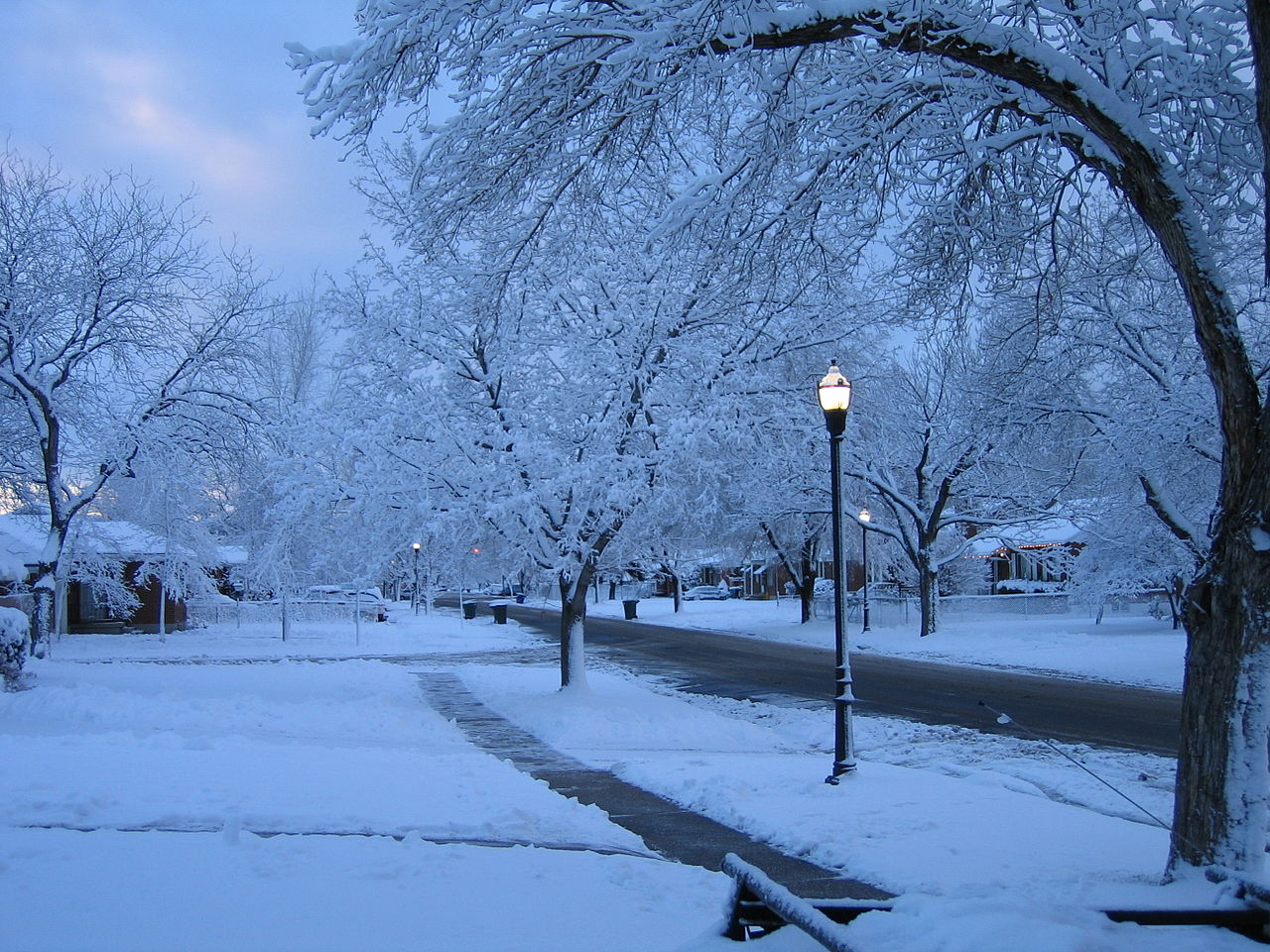
- December–March: World-class skiing in Park City, Snowbird, and Alta; winter festivals and snowshoeing in the mountains.
Tip: National parks require timed entry reservations in peak seasons—book early! Always check flash flood risks in slot canyons and bring plenty of water year-round.
History
Utah has been inhabited for over 12,000 years by Indigenous peoples including the Fremont, Ancestral Puebloans, and modern tribes like the Ute, Paiute, Navajo, Goshute, and Shoshone. Spanish explorers arrived in the 1770s, followed by fur trappers. In 1847, Mormon pioneers led by Brigham Young settled the Salt Lake Valley seeking religious freedom, establishing Salt Lake City and irrigating the desert. Utah Territory formed in 1850, but statehood was delayed until 1896 due to polygamy disputes (outlawed for admission). The transcontinental railroad's completion at Promontory Summit in 1869 boosted growth, while mining, tourism, and outdoor recreation define its modern era.
Top Attractions in Utah
Zion National Park
Dramatic canyons, emerald pools, and iconic hikes like Angels Landing and The Narrows in Utah's first national park.
Arches National Park
Over 2,000 natural sandstone arches, including Delicate Arch, with scenic drives and stargazing.
Bryce Canyon National Park
Otherworldly hoodoos and amphitheaters with vibrant colors at sunrise/sunset along rim trails.
Park City
World-renowned ski resorts, historic Main Street, Sundance Film Festival, and year-round mountain biking.
Bonneville Salt Flats
Vast white salt plains for land speed records, mirror-like reflections after rain, and epic sunsets.
Capitol Reef National Park
Waterpocket Fold, orchards, petroglyphs, and remote hikes in a historic Mormon pioneer area.
Tourist Tips for Utah
- Hydration & Sun Protection: Utah is arid—carry 1+ gallon of water per person daily; use sunscreen, hats, and layers for extreme temperature swings.
- National Parks: Book timed entry permits in advance for Arches/Zion in peak season; arrive early to beat crowds and secure parking.
- Driving: Rent a high-clearance vehicle for remote areas; gas up often in rural spots—distances are vast.
- Flash Floods: Never enter slot canyons if rain is forecast—even distant storms can cause deadly floods.
- Leave No Trace: Respect fragile desert soils, petroglyphs, and wildlife; pack out all trash and stay on trails.
Capital City: Salt Lake City
Utah's vibrant capital features Temple Square, world-class museums, Great Salt Lake access, and proximity to ski resorts and hiking in the Wasatch Mountains.
Explore Salt Lake City Travel GuideState Facts
| State Capital | Salt Lake City |
|---|---|
| State Size | Total: 84,899 sq miles; Land: 82,144 sq miles |
| Number of Counties | 29 |
| Time Zone | Mountain Time Zone (observes Daylight Saving Time) |
| Bordering States | Idaho, Wyoming, Colorado, New Mexico, Arizona, Nevada |
| Highest Point | Kings Peak (13,528 ft) |
| National Parks/Sites | Arches NP, Bryce Canyon NP, Canyonlands NP, Capitol Reef NP, Zion NP, Golden Spike NHS |
| State Population (2020) | 3,271,616 |
| Population Density | 39.7 people per sq mile |
| Area Codes | 385, 435, 801 |
Utah Map

