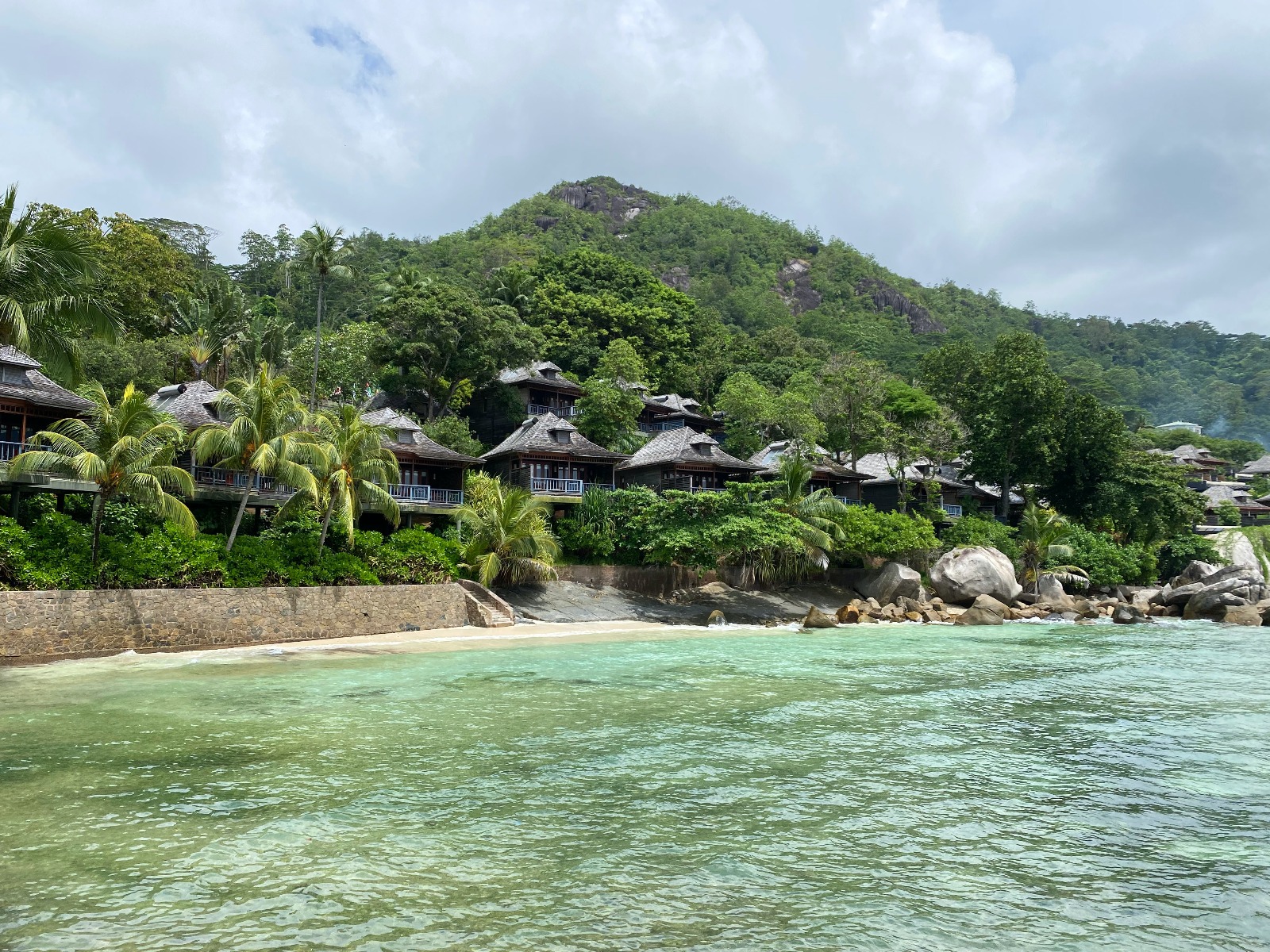
Victoria Weather
VICTORIA, SEYCHELLES WEATHERAbout Victoria
Victoria is the capital and only city of the Republic of Seychelles — the smallest capital city in Africa and one of the smallest in the world, a charming, compact, and genuinely beautiful colonial harbour town nestled on the northeastern coast of Mahé Island, the largest of the 115 islands that make up this extraordinary Indian Ocean archipelago. With a population of approximately 26,000 people, Victoria is home to roughly one quarter of the entire Seychellois nation — yet despite its diminutive scale, it punches far above its weight as a cultural and commercial centre, managing to pack colonial clock towers, colourful Creole markets, Hindu temples, botanical gardens of world-class quality, and a harbour full of fishing boats and inter-island ferries into a walkable area of barely two dozen streets that can be explored entirely on foot in a single morning. The city's origins lie in the French colonial period — a settlement called L'Établissement was founded here in 1778 as a spice-growing outpost — before the British seized the islands in 1810, renamed the town Victoria in 1841 in honour of Queen Victoria, and left the most enduring physical legacy of their rule in the form of the miniature replica clock tower (Little Ben) that has stood at the city's heart since 1903. Independence came in 1976, and since then Victoria has developed as the administrative and commercial hub of one of the most sought-after tropical island destinations on earth — a city where the Creole, African, French, British, Indian, and Chinese threads of Seychellois cultural history are woven together in the most vivid and most appetising blend of cultures available anywhere in the Indian Ocean. Victoria is not merely a transit point to the beaches of Mahé, Praslin, and La Digue; it is a city of genuine character and considerable charm that rewards the visitor who takes even half a day to explore its streets, markets, and gardens before heading for the sand.
Best Time to Visit Victoria & Weather Guide
Seychelles enjoys a warm tropical climate year-round — temperatures remain consistently between 24°C and 32°C throughout the year, with no cold season — shaped primarily by two monsoon seasons that determine the wind direction, sea conditions, and rainfall patterns across the archipelago.
☀️ South-East Trades (May–September)
The most pleasant and most popular season in Victoria and across Mahé — the south-east trade winds bring drier, cooler, and breezier conditions between May and September, with temperatures in the comfortable 24–28°C range, lower humidity than the rest of the year, and the clearest skies of the annual cycle. The sea conditions on the western side of Mahé (including Beau Vallon, the most popular beach) are calmer during this period, and visibility for snorkelling and diving is generally at its best. This is the high season for tourism in Seychelles — the most popular time for honeymoons and the period when accommodation rates are at their highest and need to be booked furthest in advance. June, July, and August are the peak months. Despite being described as the "drier" season, Seychelles is tropical and rain is always possible at any time of year; the south-east trades simply bring less persistent rainfall and more reliable sunshine. Victoria's markets, gardens, and street life are at their most pleasant in this period.
Most Popular Season🌊 North-West Monsoon (December–February)
The north-west monsoon season brings warmer temperatures (28–32°C), higher humidity, and more frequent rainfall — particularly in December, January, and February, when heavy tropical downpours (typically intense but brief) can occur at any time of day. The sea on Mahé's western coast can be rougher during the monsoon, making some beaches less suitable for swimming; however, the eastern and northern coasts (and Beau Vallon Beach to the north of Victoria) remain generally calm. The north-west monsoon is the best season for visiting the outer islands and Praslin and La Digue, where the eastern beaches are sheltered and the sea is glass-calm. Despite the rain risk, the monsoon season has its own charm — the vegetation on Mahé is at its most lushly tropical, the flowers are at their most abundant, and the lower tourist volumes mean that the best hotels are more available and accommodation prices can drop. December (outside the Christmas–New Year peak) is an excellent time to visit Victoria.
Warm Wet Season🌤️ Transition Seasons (March–April & October–November)
The two transition periods between the major monsoon seasons — March–April and October–November — are characterised by calmer winds, warmer sea temperatures (ideal for snorkelling and diving), and a mix of sunshine and occasional showers. These shoulder seasons offer a good balance of pleasant weather, lower tourist volumes than the June–August peak, and the full range of Victoria's cultural and natural attractions operating without the pressure of high-season crowds. April is particularly recommended as a month of beautiful light and lush vegetation, ideal for hiking Mahé's interior forest trails. The seas around Victoria's harbour are at their calmest in these transition periods, making inter-island ferry crossings to Praslin and La Digue most comfortable. Both transition seasons represent excellent value for money, with hotel prices between the peak-season high and the monsoon low.
Excellent Shoulder Season🎄 Christmas & New Year Peak (Mid-December)
The Christmas and New Year holiday period brings the highest prices and most advance-booking pressure of the entire year to Seychelles — the combination of tropical warmth, world-class beaches, and the romance of the Indian Ocean makes the Seychelles one of the world's most sought-after honeymoon and luxury holiday destinations for the end-of-year festive period. Mid-December to early January sees accommodation sold out months in advance at all but the highest price points, flights to SEZ at their most expensive, and the beaches of Mahé and Praslin at their most animated. If visiting during this period, book all accommodation, flights, ferry tickets (to Praslin and La Digue), and any high-demand restaurant reservations at least 6–9 months in advance. The festive atmosphere — with Christmas in a tropical island setting, fireworks over the Victoria harbour on New Year's Eve, and the warmth of Seychellois hospitality — is genuinely magical for those who can plan and budget accordingly.
Peak Festive SeasonYear-round: Seychelles is a tropical destination at a consistent 24–32°C — light cotton and linen clothing is appropriate at all times. A light rain jacket or compact umbrella is useful year-round as brief tropical showers can occur at any time. High-factor sunscreen (SPF 50+) is essential — the equatorial sun reflected off white sand and turquoise water is extremely intense. Reef-safe sunscreen is strongly encouraged to protect the marine environment. Swimwear is the primary wardrobe in Seychelles; pack multiple sets as things dry quickly in the heat.
For Victoria city: Modest clothing (covering shoulders and knees) is appreciated when visiting churches, the Hindu temple, and government buildings. Victoria is a working city — smart-casual dress is appropriate for its restaurants, government offices, and cultural institutions.
Water activities: Snorkelling equipment (mask, fins, snorkel) is available for hire everywhere but quality varies — bring your own if you are particular about fit. A rash guard provides UV protection and protection against sea life for extended snorkelling and diving sessions. Waterproof phone case or underwater camera recommended.
Year-round essentials: Insect repellent for evenings; sea-sickness tablets if travelling by inter-island ferry during the north-west monsoon when seas can be rougher; a small first aid kit. The Seychellois rupee (SCR) is the currency — USD, EUR, and GBP are accepted at most tourist establishments but local currency is needed for markets, buses, and smaller shops. UK and US visitors need a European two-pin plug adaptor (240V).
Top Attractions in Victoria
Victoria rewards visitors with a rich concentration of attractions for a city of its tiny size — from the colonial landmark of the Clock Tower and the sensory abundance of the Sir Selwyn Clarke Market to the extraordinary botanic gardens and the colourful spectacle of the Hindu temple, all within easy walking distance of one another.
🕰️ Victoria Clock Tower (Little Ben)
The most iconic landmark in Victoria and the defining symbol of the Seychellois capital — the Victoria Clock Tower, erected in 1903 as a memorial to Queen Victoria, is a miniature replica of the clock tower near Victoria Station in London (not Big Ben, despite popular assumption — a detail that Seychellois are always keen to clarify), painted in gleaming white and standing at the central roundabout of Independence Avenue where it has marked the heart of the city for over a century. The Clock Tower is the natural starting point for any exploration of Victoria — from its base, the National Museum, the Sir Selwyn Clarke Market, the Cathedral of the Immaculate Conception, and the botanical gardens are all within comfortable walking distance. The tower looks its most photogenic in the early morning light, before the traffic builds around the roundabout, and at night when it is illuminated against the dark harbour sky. One of the most photographed landmarks in the entire Indian Ocean island world, and yet one of the smallest — its modesty perfectly reflects the character of the city it presides over.
City Icon🌿 Seychelles National Botanical Gardens
The finest attraction in Victoria and one of the most beautiful botanical gardens in the Indian Ocean — the Seychelles National Botanical Gardens, established in 1901 and covering 15 hectares on the southern edge of the city centre, are a peaceful and extraordinarily lush oasis of tropical vegetation that provides the finest single introduction to the natural heritage of the Seychelles available anywhere. The gardens are home to an outstanding collection of endemic Seychellois plants: the towering Coco de Mer palms (producing the world's largest seeds — the double coconuts can weigh up to 25kg each and have a distinctive anatomical shape that is now the emblem of the Seychelles); stands of fragrant cinnamon, vanilla, nutmeg, and the other spice plants that made the Seychelles a colonial prize; an enclosure of giant Aldabra tortoises (the world's largest land tortoise, weighing up to 250kg, living up to 150 years, and utterly unmoved by the admiring visitors who feed them leaves and photograph them at leisure); and an avenue of takamaka trees (the most characteristic tree of the Seychelles coastline) whose shade-dappled walkways are among the most tranquil spots in all of Victoria. Fruit bats roost in the canopy overhead — look up in the densely forested section at the garden's upper end for hundreds hanging in silhouette against the sky. Entry fee is modest; open daily.
Must-Visit🐟 Sir Selwyn Clarke Market
The most characterful and most vivid cultural experience in Victoria and the finest sensory introduction to Seychellois daily life — the Sir Selwyn Clarke Market (named for a former British governor), built in 1840 and renovated but maintaining its colonial iron-frame structure, is a compact, bustling, and irresistibly colourful covered market five minutes' walk from the Clock Tower. The ground floor fish hall — where the extraordinarily rich catch of the Indian Ocean is laid out on marble slabs each morning (red snapper, grouper, jobfish, octopus, the silver mass of fresh tuna, and the spectacular parrotfish in their vivid tropical colours) — is one of the finest fish market experiences in the Indian Ocean world; the herons and seagulls that perch on the roof posts are as regular as the vendors. The upper level carries fresh tropical fruits and vegetables (mangoes, papayas, breadfruit, golden apples, the fragrant bilimbi), dried spices (cinnamon, vanilla pods, turmeric, chilli), and craft and souvenir stalls. A Saturday morning visit — the market's liveliest moment, when local families do their weekly shopping alongside tourists — is one of the most enjoyable ways to spend two hours in Victoria. Arrive by 8am for the best fish selection.
Vibrant Local Market🛕 Arulmigu Navasakti Vinayagar Temple
The most visually spectacular building in Victoria and the most unexpected cultural statement in an Indian Ocean capital — the Arulmigu Navasakti Vinayagar Temple on Quincy Street, just behind the Sir Selwyn Clarke Market, is a Hindu temple of extraordinary colour and architectural ambition whose gopuram (the characteristic South Indian temple tower) is encrusted from base to summit with brightly painted statues of deities, celestial beings, and mythological figures in the full palette of Hindu iconography. The temple reflects the significant Tamil Indian community of the Seychelles — whose ancestors arrived as slaves and later as traders and construction workers — and is a place of active worship as well as a major tourist attraction. Open from 6am until midnight daily; non-Hindu visitors are welcome outside of prayer times. The temple's presence in the heart of Victoria is one of the most vivid reminders of the multicultural heritage that makes Seychellois culture so distinctive: Hindu temple, Catholic cathedral, Anglican church, and mosque all within a few hundred metres of each other in a city of barely two dozen streets.
Cultural Landmark🏛️ National Museum of History & Natural History Museum
Two complementary institutions providing the most complete cultural and natural context for understanding Seychelles available in the capital — the National Museum of History on Independence Avenue, housed opposite the Clock Tower, presents the full story of the Seychelles from the pre-settlement era through the French and British colonial periods to independence in 1976: pirate maps, slave registers, colonial documents, and the extraordinary story of how an uninhabited tropical archipelago became a sovereign nation of 90,000 people with a Creole culture of remarkable richness. The Natural History Museum on the same avenue houses the finest collection of Seychellois flora, fauna, geology, and endemic wildlife — the extraordinary coelacanth (a living fossil fish, unchanged for 400 million years, caught in Seychellois waters); endemic Seychellois birds; giant tortoise shells; and the marine biology of the Seychelles coral reef system, one of the most biodiverse in the Indian Ocean. Both museums are free or very low admission; both provide outstanding preparation for exploring the natural and cultural environments of Mahé and the outer islands.
History & Nature⛵ Victoria Harbour & Eden Island
The maritime heart of the Seychelles and the most important transport hub in the Indian Ocean archipelago — Victoria Harbour and its adjacent ferry terminals are the point of departure for all inter-island connections in Seychelles (the fast catamaran ferries to Praslin depart from the Inter-Island Quay), and the harbour itself is always animated with the comings and goings of fishing vessels, charter yachts, inter-island boats, and the occasional cruise liner at the New Pier. The harbour waterfront — with its view across the turquoise bay to the granite mountains of Mahé rising behind the city — is one of the most beautiful urban waterfront scenes in the Indian Ocean. Adjacent to the harbour is Eden Island, a sophisticated luxury marina development on reclaimed land to the south of the city, with upmarket restaurants (including Bravo, offering fine dining with marina views), boutique shops, and the sight of some of the world's most impressive superyachts moored at the pontoons — a striking contrast to the traditional fishing vessels of the main harbour.
Maritime Gateway🏖️ Beau Vallon Beach
The finest and most accessible beach from Victoria and the most popular beach on Mahé Island — Beau Vallon, a 2km crescent of soft white sand on the northwestern coast of Mahé, is accessible from Victoria in 20 minutes by bus (Bus No. 21 from the main terminal, fare 7 SCR — one of the great travel bargains of the Indian Ocean) or 15 minutes by taxi. The beach offers the full range of activities: calm, safe swimming in the turquoise Indian Ocean, world-class snorkelling at the reef just offshore, watersports (windsurfing, water-skiing, banana boats), and the twice-weekly Beau Vallon Night Market (Wednesday evenings) where local food vendors set up along the shore serving Creole food with a relaxed musical atmosphere that is the most genuine and most convivial outdoor food event in the Seychelles. Two of the finest dive centres on Mahé operate from Beau Vallon, offering PADI courses and guided reef dives to some of the most spectacular dive sites in the Indian Ocean.
Best Nearby Beach🥃 Takamaka Rum Distillery & Tea Estate
Two of the most rewarding and most distinctively Seychellois experiences available within easy reach of Victoria — the Takamaka Rum Distillery at La Plaine St André, set in a beautifully restored 1792 plantation house, produces Seychelles' only locally distilled rum: a range of aged and flavoured rums of genuine quality (the spiced rum infused with local vanilla and cinnamon is particularly outstanding) that have won international recognition and make outstanding souvenirs. Guided distillery tours include the production process, tasting sessions, and a Creole lunch in the plantation restaurant — one of the most atmospheric dining experiences on Mahé. The Seychelles Tea Estate on the plateau above Victoria, the world's smallest commercial tea plantation, produces tea from the slopes of Morne Seychellois — a guided tour of the plantation and tea factory, followed by a tasting session on a terrace with sweeping views over Victoria and the harbour below, is one of the finest and most unexpected activities on Mahé Island.
Unique ExperiencesLocal Food Recommendations
Seychellois Creole cuisine is one of the most distinctive and most genuinely delicious island food traditions in the Indian Ocean — a vibrant fusion of African, French, Indian, Chinese, and Southeast Asian influences brought together by the extraordinary marine richness of the Indian Ocean, the spice heritage of the old colonial plantation economy, and the Creole culture that is the unique and irreplaceable heart of Seychellois identity.
🍽️ Must-Try Seychellois Dishes
- Fish Curry (Kari Pwason) — the centrepiece of Seychellois home cooking and the most characteristic dish of the Creole culinary tradition: fresh Indian Ocean fish (red snapper, jobfish, or the catch of the day from the Sir Selwyn Clarke Market) slow-cooked in a fragrant coconut milk curry sauce of turmeric, ginger, garlic, chilli, and the fresh lemongrass and curry leaf that grow in every Seychellois kitchen garden. The fish curry is served with basmati rice (or occasionally breadfruit or cassava), rougail (a fiery fresh tomato and chilli condiment that is the Seychellois equivalent of salsa — an indispensable accompaniment to all Creole food), and a selection of side dishes including lentils, stewed aubergine, and the pickled green papaya salad (salade dipapaye) that provides a refreshing contrast to the richness of the curry. The finest versions are found at traditional Creole restaurants throughout Victoria and at the beachside establishments of Beau Vallon — Marie Antoinette Restaurant on Revolution Avenue, a historic institution in a Victorian colonial house declared a national monument in 2011, serves the most celebrated set-menu Creole tasting menu in Victoria.
- Octopus Curry (Kari Zourit) — the most beloved and most internationally celebrated Seychellois dish and the food that has done most to bring Creole cuisine to the attention of the wider world: fresh octopus from the shallow Seychellois reef waters, slow-cooked in coconut milk with turmeric, ginger, garlic, and the aromatic local spices until the tentacles are meltingly tender and the sauce has reached the deep golden colour of Seychellois sunshine. Octopus curry is available at virtually every traditional Creole restaurant in Seychelles; the versions at Marie Antoinette (Victoria) and at the beachside restaurants of Anse Royale on Mahé's east coast are particularly outstanding. It is served with steamed rice, lentils, rougail, and the sweet potato or cassava mash that provides the perfect starchy counterpoint to the complex, fragrant curry sauce.
- Grilled Fish (Pwason Griye) — the simplest and most satisfying expression of Seychelles' extraordinary marine richness: the catch of the morning (grouper, red snapper, barracuda, or tuna) grilled directly over charcoal with the minimum of seasoning — a rub of salt, garlic, and lemon — to allow the incomparable freshness and flavour of the fish to speak entirely for itself, served with chips, a fresh green salad, and rougail. The grilled fish of the Wednesday Night Market at Beau Vallon — where local vendors grill the day's catch directly on the beach in the evening breeze while Creole music plays from the surrounding stalls — is one of the most convivial and most genuinely Seychellois food experiences available on Mahé. Budget approximately 150–300 SCR (USD 10–20) for a complete meal at the night market.
- Ladob — one of the most traditional Seychellois sweet dishes and a dessert of considerable nostalgic importance to older generations: ripe banana (or breadfruit) slow-cooked in rich coconut milk sweetened with nutmeg, vanilla, and sugar to a pudding of extraordinary simplicity and comfort. Ladob is the taste of Seychellois grandmothers' kitchens — a dish that appears in no form anywhere else on earth and that carries the full weight of Seychellois Creole food memory. Found at traditional Creole restaurants and at the market stalls of the Sir Selwyn Clarke Market, particularly on Saturday mornings.
- Bat Curry (Kari Sousouri) — the most unusual and most culturally distinctive dish in the Seychellois repertoire, and the one that consistently startles visiting food enthusiasts: fruit bat (Pteropus seychellensis — the endemic Seychelles flying fox, a large fruit-eating bat considered a pest by farmers) curried in coconut milk with the same fragrant spice base as other Seychellois curries, producing a richly flavoured dark meat of surprisingly pleasant gamey character. Bat curry is a genuine cultural institution in the Seychelles — it appears on the set menu at Marie Antoinette Restaurant, the most important traditional Creole restaurant in Victoria — and is not merely a tourist novelty but an authentic expression of the Seychellois tradition of using every available protein source in an island economy where imported meat has always been expensive. The bat population is managed sustainably; visitors can engage with the ethical dimension of this dish with a clear conscience.
- Fresh tropical fruits — the Sir Selwyn Clarke Market and the roadside fruit stalls of Victoria and Beau Vallon carry a seasonal abundance of tropical fruit that is among the finest available anywhere in the Indian Ocean: mangoes of extraordinary sweetness and perfume (the Seychellois mango varieties — petit mango, rouz, and the enormous Julie mango — are among the finest in the world when eaten ripe and tree-fallen); golden-yellow papaya; the tart and addictive golden apple (bilimbi — a small, waxy, intensely sour fruit eaten with chilli and salt that is one of the most characteristic street snacks of the Seychelles); fresh coconut (the young coconut water sold by vendors throughout Victoria is the finest natural hydration in the tropics); and the jakfruit, soursop, and breadfruit that give Seychellois cooking its tropical foundation.
🍹 Drinks & Seychellois Bar Culture
- Takamaka Rum — Seychelles' most distinctive and most exportable spirit, distilled at the La Plaine St André estate south of Victoria from locally grown and imported sugar cane, aged in oak barrels, and infused with the vanilla, cinnamon, and coconut flavours of the island's spice heritage. The Takamaka Spiced Rum and Takamaka Dark Rum are the most celebrated expressions — both available throughout Victoria, at the distillery itself, and at the duty-free in Seychelles International Airport. A rum cocktail (rum punch with fresh passion fruit and lime, or a Seychelles Sunrise with mango juice) at a Beau Vallon beachside bar at sunset is one of the most perfect experiences the Indian Ocean offers to the appreciative traveller.
- Seybrew — the Seychelles Breweries lager, brewed locally on Mahé since 1971, is the national beer of Seychelles and a clean, well-made pale lager of considerable refreshing quality that is available at every bar, restaurant, and supermarket in Victoria and throughout the archipelago. Cold Seybrew and grilled fish on a beach: the essential Seychellois experience. Guinness is also imported and surprisingly popular in local bars, reflecting the British colonial heritage of Seychellois drinking culture.
- Fresh coconut water and tropical juices — the finest and most hydrating non-alcoholic refreshment in Seychelles: young green coconuts, their tops machete-slashed by roadside vendors throughout Victoria and Beau Vallon, provide cool, sweet coconut water at approximately 25–50 SCR each. Fresh-squeezed passion fruit juice, mango smoothies, and the brilliant pink hibiscus tea (tisane rosela) are available at the market and cafés throughout the city. The Seychelles Tea Estate's own tea — a light, clean, high-grown black tea from the slopes above Victoria — is available at the estate café and at specialist shops in the city.
- Seychellois bar and nightlife culture — Victoria is not a city of extravagant nightlife, but it has a genuine and convivial evening culture centred on the beachside bars of Beau Vallon (particularly around the Wednesday Night Market), the marina restaurants of Eden Island, and the local bars of the city centre. Pirates Arms on Independence Avenue — the most famous and most relaxed café-restaurant in Victoria, opening onto the street opposite the Clock Tower and serving food, drinks, and cold Seybrew all day and into the evening — is the most natural gathering place in the capital. Creole live music and moutya dance performances (the traditional Seychellois music and dance of African origin, once the cultural expression of enslaved Africans on the plantation islands) feature at larger hotel resorts and at cultural events throughout the year.
🍽️ Where to Eat — Local Tips
- Marie Antoinette Restaurant (Revolution Avenue, Victoria) — the most famous, most beloved, and most culturally significant restaurant in the entire Seychelles: a national monument in a wooden Victorian colonial house on Revolution Avenue, serving a fixed-price set Creole tasting menu that has remained essentially unchanged since the restaurant opened in 1972. The menu covers the complete canon of Seychellois Creole cuisine — bat curry, octopus curry, fish curry, grilled fish, breadfruit chips, salade dipapaye, lentils, rougail, and rice — in generous, home-style portions served communally at long wooden tables in the atmospheric colonial interior. Budget approximately 350–500 SCR (USD 23–33) per person for the full set menu. Open for lunch and dinner; reservations strongly recommended. There is genuinely no more authentic Creole dining experience in Seychelles.
- Pirates Arms (Independence Avenue, Victoria) — the most convenient, most relaxed, and most quintessentially Victoria dining and drinking spot: a café-restaurant that opens directly onto the pavement of Independence Avenue, opposite the Clock Tower, serving Creole dishes, grilled fish, sandwiches, salads, and cold Seybrew all day from breakfast through to late evening. The outdoor terrace is the finest people-watching spot in Victoria — prime position to observe the daily rhythm of the city while eating a plate of fresh fish with rougail. Budget 150–300 SCR (USD 10–20) for a main course. No reservations needed.
- Beau Vallon Wednesday Night Market — the finest and most convivial outdoor food event in the Seychelles and arguably the single best culinary experience available from Victoria: every Wednesday evening from approximately 5pm to 9pm, the beachfront promenade at Beau Vallon is taken over by local food vendors grilling fresh fish over charcoal, serving octopus curry from great steaming pots, ladling fresh prawn dishes and Creole chicken stews, and offering the full range of Seychellois street food alongside cold Seybrew from ice buckets and tropical cocktails. The combination of food on the sand, the Indian Ocean lapping the shore 10 metres away, the warm evening breeze, and the sound of Creole music drifting from the surrounding stalls is one of the most atmospheric outdoor food experiences in the Indian Ocean. Budget 100–250 SCR (USD 7–17) for a complete meal.
- Bravo Restaurant (Eden Island Marina) — the finest contemporary dining venue in the Victoria area and the most sophisticated restaurant on Mahé outside the major resort hotels: located on the Eden Island marina with spectacular views over the superyacht moorings and the harbour, Bravo serves an ambitious menu of Italian-influenced international cuisine using locally caught fish and seafood, in a modern setting of considerable elegance. The fresh fish and lobster preparations, the pasta dishes, and the grilled meats with Creole-spiced sauces represent the best of Mahé's contemporary restaurant scene. Budget 400–700 SCR (USD 27–47) per person with wine. Reservations recommended for dinner.
- Takamaka Rum Distillery Restaurant (La Plaine St André) — one of the most atmospheric and most interesting dining experiences in Victoria's surroundings: a beautifully restored 1792 plantation house serving traditional Creole food alongside Takamaka rum cocktails in a setting of extraordinary historical atmosphere. The Sunday Creole buffet (with live Creole music and moutya dance performance) is the most popular and most celebrated event on the Mahé culinary calendar. Advance booking strongly advised for Sunday lunch.
🎨 Arts, Culture & Creole Heritage
- Seychellois Creole culture is one of the most distinctive and most richly layered in the entire Indian Ocean — a fusion of African, French, British, Indian, Chinese, and Arab influences that has produced a unique language (Seselwa Creole, a French-based creole spoken by the entire population and one of only three official languages of a sovereign state), a distinctive musical tradition (moutya — slow, hypnotic drumming and call-and-response singing of African origin; sega — the faster, more exuberant Indian Ocean dance music shared with Mauritius and Réunion; and contredanse — a Creolised version of French quadrille), and a visual arts scene of considerable vitality centred on the Carrefour des Arts gallery (behind the National Museum) and Kenwyn House (one of Victoria's finest preserved 19th-century buildings, housing a gallery of local artists on Francis Rachel Street).
- The Seychelles Heritage Foundation maintains a programme of cultural preservation and public education across the archipelago; the Kreol Festival (typically held in October–November) is the most important Creole cultural event in the Indian Ocean — a week-long celebration of Creole culture shared between Seychelles, Mauritius, Réunion, and the wider Indian Ocean Creole diaspora, with music performances, Creole food markets, dance showcases, and craft exhibitions that bring the full vibrancy of Seychellois culture into the streets of Victoria. If visiting during Kreol Festival, the city's character is revealed at its most joyful and most authentic.
- The Cathedral of the Immaculate Conception (just east of the Clock Tower on Revolution Avenue) is the most important Catholic church in the Seychelles — a handsome colonial building of the 1850s whose interior houses the full devotional life of a predominantly Catholic island population. The adjacent Saint Paul's Cathedral (Anglican, established 1859) on Revolution Avenue opposite is the largest church in the Seychelles, with 800 seats. The visual juxtaposition on Revolution Avenue of the two cathedrals, the Hindu temple behind the market, and the mosque in the Ksar district is the most eloquent statement of Seychellois multicultural identity available anywhere in Victoria.
- Victoria's craft market and the souvenir shops of Independence Avenue carry an excellent range of Seychellois artisan products: hand-painted pareo (sarongs) in the brilliant colours of the reef and tropical flora; seashell jewellery; wood carvings of Seychellois endemic wildlife (the black paradise flycatcher, the Seychelles sunbird, the Aldabra tortoise); batik fabric in traditional Indian Ocean patterns; and the handmade coco de mer products (polished double-coconut shells, coconut oil, and decorative items made from the giant seed) that are among the most distinctive and most sought-after souvenirs in the archipelago. The best selection is at the crafts section of Sir Selwyn Clarke Market and at the shops of the Kingfisher Road souvenir strip near the harbour.
Day Trip Itineraries from Victoria
Victoria's position on Mahé — the largest island and transport hub of Seychelles — makes it the gateway to some of the most spectacular beaches, marine parks, and island landscapes in the entire Indian Ocean:
🌴 Day Trip: Praslin Island — Vallée de Mai & Anse Lazio
Travel time: 1 hour by fast catamaran ferry from Victoria harbour | Cost: Ferry from 700 SCR (USD 47) return; Vallée de Mai entry USD 20
Praslin — the second largest island in Seychelles, 1 hour by catamaran from Victoria — is home to two of the most extraordinary natural environments in the Indian Ocean. The Vallée de Mai (UNESCO World Heritage Site) is a primeval Coco de Mer palm forest of haunting, cathedral-like beauty, unchanged since the prehistoric era — walking its paths beneath the enormous double-coconut palms, their vast fronds filtering the light into a green underwater glow, while the rare and spectacular black parrot (endemic to Praslin) calls from the canopy, is an experience unlike anything available anywhere else on earth. Anse Lazio, on Praslin's northwestern tip, is consistently ranked among the world's top five beaches: a crescent of powder-white sand between dramatic granite boulders, with turquoise water of absolute clarity and a small beachside restaurant serving fresh grilled lobster and cold Seybrew in the shade of takamaka trees.
UNESCO & World-Class Beach🚲 Day Trip: La Digue — Anse Source d'Argent
Travel time: 1.5 hours by ferry (via Praslin) | Cost: Ferry from 1,000 SCR (USD 67) return; bicycle hire 150–200 SCR
La Digue — the third largest inhabited island of Seychelles, accessible by ferry via Praslin — is the most photographed island in the Indian Ocean and arguably the most beautiful small island in the world: a place where cars are rare and bicycles are the primary transport, where the pace of life slows to the speed of the trade wind, and where the beach of Anse Source d'Argent — its pink-white sand framed by extraordinary rose-coloured granite boulders smoothed by millennia of surf into organic, sculptural shapes of remarkable beauty — has appeared on more postcards, screensavers, and tropical paradise calendars than any other natural scene in the Indian Ocean. Rent a bicycle from La Passe jetty and cycle through the coconut plantations and vanilla gardens to Anse Source d'Argent for a day of world-class snorkelling, beach exploration, and a Creole lunch at the beachside café. Return to Victoria the same evening by ferry.
Most Photographed Beach🐠 Day Trip: Sainte Anne Marine National Park
Travel time: 15 minutes by glass-bottom boat from Victoria harbour | Cost: Snorkelling day trip from 700–1,200 SCR (USD 47–80)
The most accessible and most rewarding marine wildlife experience from Victoria — the Sainte Anne Marine National Park, a protected marine reserve encompassing six small granite islands visible from Victoria harbour, offers some of the finest snorkelling and glass-bottom boat viewing in the Indian Ocean within 15 minutes of the city centre. The shallow reef gardens of the marine park shelter hawksbill sea turtles (a regular and frequently encountered species in these waters), giant clams, manta rays, reef sharks, and an extraordinary diversity of reef fish in the brilliant colours of the Indian Ocean tropics. Guided snorkelling day trips depart from the Marine Charter Association at the southern end of Independence Avenue; a complete trip includes snorkelling at the reef, a beach barbecue on Sainte Anne Island, and a return by glass-bottom boat with reef viewing en route — an outstanding and deeply enjoyable way to spend a full day.
Marine Paradise🌲 Day Hike: Morne Seychellois National Park
Travel time: 20–30 minutes by taxi from Victoria to trailheads | Cost: Free entry; guide recommended for longer trails 300–500 SCR
Morne Seychellois National Park — covering nearly 20% of Mahé Island and incorporating the island's highest peak (Morne Seychellois at 905m) — offers some of the finest tropical forest hiking in the Indian Ocean, with a network of trails winding through the extraordinary mid-altitude cloud forest where endemic Seychellois birds (the Seychelles white-eye, the Seychelles warbler, the paradise flycatcher) call from the mist-draped vegetation. The popular Copolia Trail (2.5km, approximately 2 hours return) leads to a granite summit ledge with sweeping views over Victoria, the harbour, and the outlying islands — one of the finest panoramic viewpoints in the Seychelles. The Trois Frères Trail and the La Misère Viewpoint offer additional perspectives over the capital and the turquoise bay. All trails can be accessed by taxi from Victoria and are excellent in the morning before the midday heat.
Tropical Forest HikingTourist Tips for Victoria
🚌 Getting Around
- Victoria itself is entirely walkable — the entire city centre from the Clock Tower to the Botanical Gardens can be covered comfortably on foot in under 30 minutes. The compact scale of the city is one of its greatest charms, and exploring on foot is by far the most rewarding way to experience its streets, architecture, and atmosphere. A leisurely walking tour of Victoria's main landmarks can be completed in a half-day.
- Public buses are the finest value transport on Mahé — the network covers the entire island from the Victoria Bus Terminal (adjacent to Sir Selwyn Clarke Market), with modern air-conditioned coaches running from early morning until late evening at a flat fare of just 7 SCR (approximately USD 0.47) per journey — one of the great transport bargains of the Indian Ocean. Bus No. 21 connects Victoria to Beau Vallon Beach (20 minutes). Bus No. 20 serves the southern beaches. Bus journey times can be longer than taxis due to road winding and hill traffic but the experience is authentic and excellent for budget-conscious travellers.
- Taxis are widely available throughout Victoria — metered but with a relatively limited supply, so hotel pre-booking is recommended for early morning airport or ferry transfers. A taxi from Victoria to Beau Vallon costs approximately 250–350 SCR (USD 17–23); from the airport (SEZ) to city centre approximately 200–300 SCR (USD 13–20), 15–20 minutes.
- Seychelles International Airport (SEZ) is located 6km south of Victoria on Mahé Island — one of the most conveniently located international airports relative to a capital city anywhere in the world. International airlines serving SEZ include Air Seychelles, Emirates, Qatar Airways, Etihad Airways, British Airways, Turkish Airlines, Condor, and Kenya Airways, with direct connections to London, Dubai, Abu Dhabi, Doha, Istanbul, Frankfurt, Nairobi, and major Asian hubs. The airport serves as the international gateway for all of Seychelles' 115 islands.
- Inter-island ferries to Praslin (1 hour, 700 SCR / USD 47 return) and La Digue (1.5 hours via Praslin, approximately 1,000 SCR / USD 67 return) depart from the Inter-Island Quay on 5th June Avenue, adjacent to the Victoria Clock Tower. The Cat Cocos catamaran ferry is the most popular and most reliable service. Book ferry tickets in advance during the June–September high season as crossings sell out. Seaplanes and helicopter transfers to Praslin and La Digue are available for those wishing to arrive in the most spectacular possible style (from USD 200–400 per person).
💡 General Safety & Travel Tips
- Seychelles uses the Seychellois Rupee (SCR). ATMs are widely available throughout Victoria at major bank branches and at the airport. Visa and Mastercard are accepted at all hotels, restaurants, and larger shops. USD, EUR, and GBP are accepted at most tourist establishments alongside rupees. Always carry some SCR cash for buses (exact change preferred), markets, and smaller local restaurants. The best exchange rates are at commercial banks; airport rates are acceptable for immediate needs.
- Seychelles uses the UK Type G three-pin plug (240V/50Hz) — a reflection of British colonial heritage that distinguishes it from its French-influenced neighbours. UK visitors need no adaptor; US visitors need a US-to-UK Type G adaptor. European visitors also need a Type C-to-Type G adaptor. The voltage (240V) is consistent with UK and European standards — US 110V appliances need a transformer.
- Seychelles is visa-free for citizens of over 100 countries — visitors simply need a valid passport, return ticket, proof of accommodation, and sufficient funds. There is no visa application or fee required for citizens of most nationalities; a visitor's permit is issued on arrival for up to 30 days (extendable to 90 days). This makes Seychelles one of the most effortlessly accessible island destinations in the world. Check the Seychelles Immigration Control and Civil Status (ICCS) website for the current list of eligible nationalities and entry requirements.
- Seychelles is an exceptionally environmentally conscious destination — home to two UNESCO World Heritage Sites (Vallée de Mai and Aldabra Atoll) and with some of the strongest marine conservation laws in the Indian Ocean. Visitors are expected to treat the natural environment with the utmost respect: use reef-safe sunscreen only (chemical sunscreens banned in many marine park areas); never touch or collect corals, shells, or marine life; observe the strict no-littering culture that the Seychelles government actively enforces; and participate in the Programme for Environment levy (a small environmental conservation fee collected from all visitors).
- The best souvenirs from Victoria: a bottle of Takamaka spiced or aged rum (available at the distillery and duty-free); a hand-painted pareo from the craft market; a jar of Seychelles cinnamon or vanilla from the Sir Selwyn Clarke Market spice stalls; a polished coco de mer product (available in specialist gift shops with a legitimate CITES certificate of origin — ensure this is provided, as coco de mer export is strictly controlled); a pack of Seychelles Tea Estate tea from the estate shop; and a bottle of Seychellois coconut oil (one of the finest natural skin and hair products available from the Indian Ocean).
Apply for Tourist Visa
Seychelles offers visa-free access to citizens of over 100 countries — one of the most open visa policies in the world. All visitors simply arrive at Seychelles International Airport (SEZ) and receive a visitor's permit on arrival, valid for an initial stay of up to 30 days and extendable to a maximum of 90 days. Requirements: a valid passport (minimum 6 months validity), a confirmed return or onward ticket, proof of accommodation (hotel booking or host invitation), and sufficient funds for the duration of stay. No visa application, fee, or embassy visit is required for eligible nationalities. Citizens of certain countries may have additional requirements — verify with the Seychelles Immigration, Civil Status and Civil Registration Authority (ICCSR) before travel. Seychelles Visitor Permit Information
Important Emergency Numbers
🇸🇨 Victoria Emergency Contacts
- 🚑 Ambulance: 999
- 🔥 Fire Brigade: 999
- 👮 Police: 999
- 🆘 General Emergency: 999
International Emergency Phone Numbers
Find Flights to Victoria
Airport Code: SEZ — Seychelles International Airport, Mahé (6km south of Victoria city centre)
Airport Transfer: Taxi from SEZ to Victoria city centre costs approximately 200–300 SCR (USD 13–20), 15–20 minutes. Public bus services also connect the airport to the Victoria Bus Terminal. International airlines serving Seychelles include Air Seychelles, Emirates (via Dubai), Qatar Airways (via Doha), Etihad Airways (via Abu Dhabi), British Airways (via London Heathrow), Turkish Airlines (via Istanbul), Condor (via Frankfurt), Kenya Airways (via Nairobi), Air Mauritius, and Air Austral. Direct flights from London, Dubai, Abu Dhabi, Doha, Istanbul, Frankfurt, and Nairobi make Seychelles one of the best-connected small island destinations in the Indian Ocean.
International Airport FinderCurrency in Victoria
The currency of Seychelles is the Seychellois Rupee (SCR). ATMs are widely available at major banks in Victoria and at Seychelles International Airport. Visa and Mastercard are accepted at all hotels, major restaurants, and larger shops. USD, EUR, and GBP are accepted alongside rupees at most tourist establishments. Carry some SCR cash for buses, markets, and smaller local restaurants.