

Country's codes
International phone code for Kenya: +254
3 letters: KEN
2 letters (internet domain): .KE
Digital country code: 404
Standard EAN-13 (country barcode): 616
 Olympic country code: KEN
Travel Tips for Tourists
- Getting There: Kenya is accessible via Jomo Kenyatta International Airport in Nairobi and Moi International Airport in Mombasa. Most travelers require an eVisa, which can be obtained online. As of January 2025, Kenya has abolished visa requirements for many nationalities, making entry smoother for global visitors.
- Best Time to Visit: The ideal time to visit Kenya is during the dry seasons: June to October and January to February. These months offer excellent wildlife viewing, especially the Great Wildebeest Migration in the Maasai Mara from July to September. The weather is sunny and pleasant, with fewer mosquitoes.
Top Attractions:
- Maasai Mara National Reserve: Famous for the Great Migration and Big Five safaris.
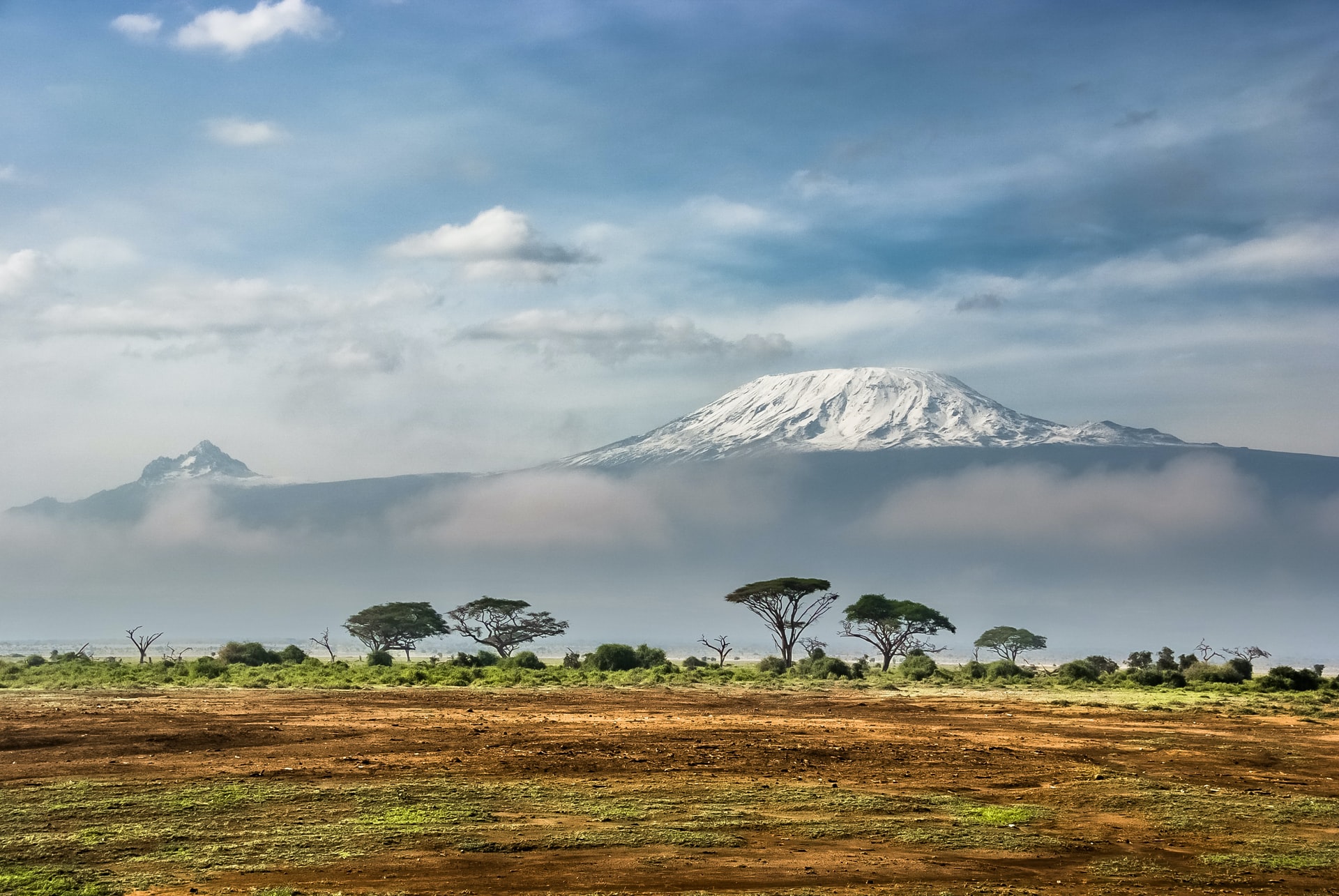
- Amboseli National Park: Known for its elephant herds and views of Mount Kilimanjaro.
- Lake Nakuru: Home to flamingos and rhinos.
- Mount Kenya: Offers trekking and scenic views.
- Diani Beach: A pristine coastal paradise ideal for relaxation and water sports.
Healthy Travel Advice:
- Vaccinations recommended include Yellow Fever (if arriving from endemic areas), Hepatitis A & B, Typhoid, and Rabies.
- Malaria is prevalent; take prophylactic medication and use insect repellent.
- Drink bottled or purified water and avoid street food unless it's freshly cooked and hot.
- Carry a basic medical kit and ensure your travel insurance covers medical evacuation.
A Glimpse into Kenya’s History
Kenya’s history stretches back millions of years, with significant fossil discoveries such as Turkana Boy and Homo habilis remains found in the Great Rift Valley.
Arab traders established coastal settlements by the first millennium CE, giving rise to the Swahili culture. The Portuguese arrived in the 15th century, followed by Omani Arabs in the 18th century.
In the late 19th century, Kenya became part of the British East Africa Protectorate. The colonial period saw land dispossession and racial segregation, leading to the Mau Mau uprising in the 1950s. Kenya gained independence on December 12, 1963, with Jomo Kenyatta as its first Prime Minister and later President.
Current Political Landscape
Kenya is a multi-party democracy, but recent events have introduced uncertainty. The death of opposition leader Raila Odinga in October 2025 has left a significant political vacuum. Odinga was a key figure in Kenya’s democratic evolution and a unifying force within the Orange Democratic Movement (ODM).
His passing has triggered internal debates within ODM and raised concerns about political stability ahead of the 2027 elections. President William Ruto, who had formed a coalition with Odinga, now faces challenges in maintaining unity and advancing his agenda.
Recent protests, especially those linked to youth movements and economic grievances, have led to clashes with security forces. Human rights organizations have criticized the government’s heavy-handed response, and religious leaders have called for peace and dialogue.
Despite these tensions, Kenya remains a vibrant and resilient nation. Travelers are advised to stay informed, avoid political gatherings, and respect local customs during their visit.
Online Travel Visa Check.
Find Visa information for your destination.Useful country information
Total area: 224,961 sq mi (582,650 sq km)
Population (2022 est.): 54.99 million
Capital and largest city (2022 est.): Nairobi, 4,922,000
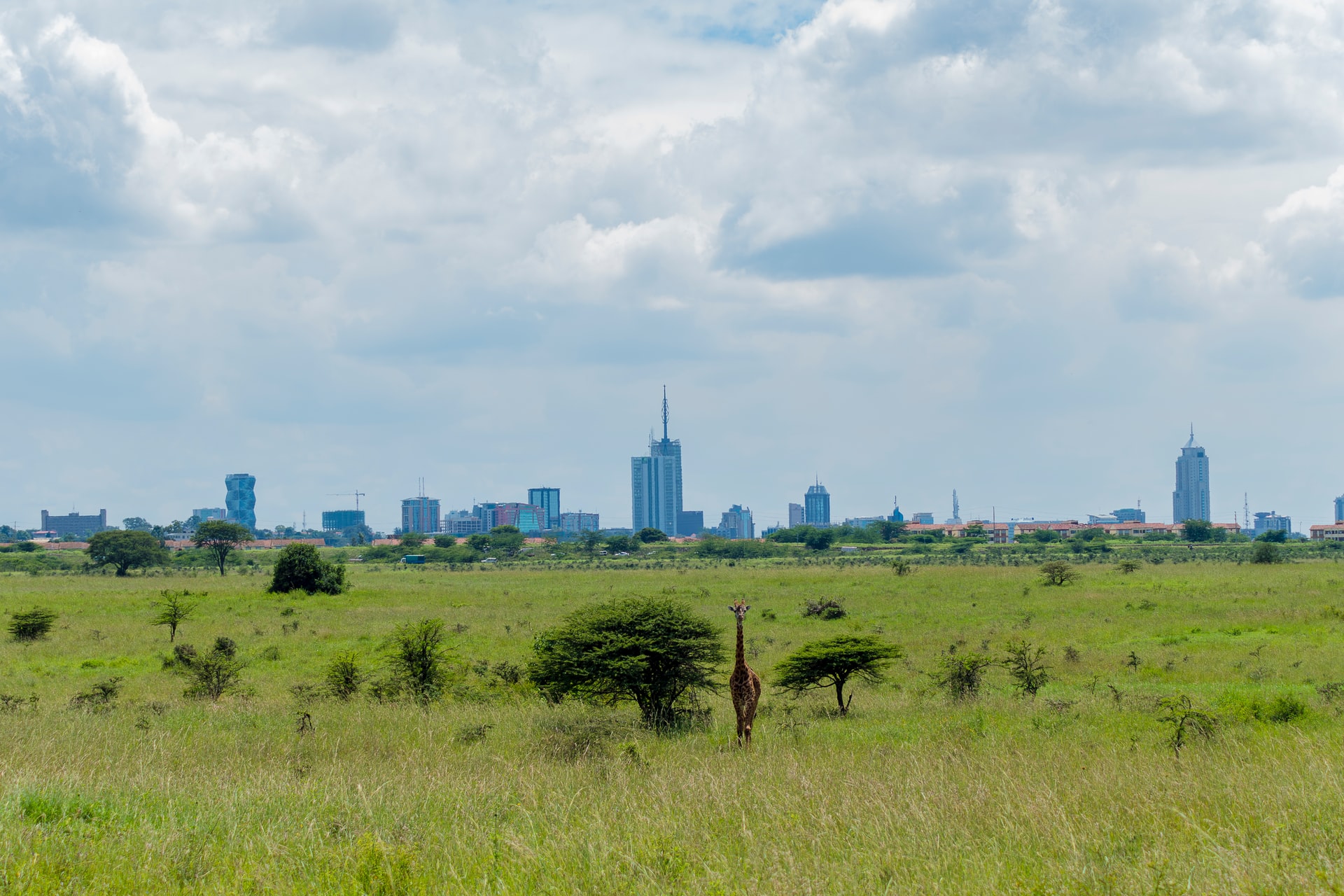
Nairobi: Capital City Profile
Monetary unit: Kenya shilling
Languages: English (official), Kiswahili (national), and numerous indigenous languages
Ethnicity/race: Kikuyu 22%; Luhya 14%; Luo 13%; Kalenjin 12%; Kamba 11%; Kisii 6%; Meru 6%; other African 15%; Asian, European, and Arab 1%
Religions: Christian 82.5% (Protestant 47.4%, Catholic 23.3%, other 11.8%), Muslim 11.1%, Traditionalists 1.6%, other 1.7%, none 2.4%, unspecified 0.7% (2009 census)
National Holiday: Independence Day, December 12

Background:
Kenya is a country in East Africa bordering the Indian Ocean in south east, neighboring countries are Ethiopia, Somalia, South Sudan, Tanzania, and Uganda.
Kenya is famed for its scenic landscapes and vast wildlife preserves.
The country was a de facto one-party state from 1969 until 1982 when the ruling Kenya African National Union (KANU) made itself the sole legal party in Kenya. MOI acceded to internal and external pressure for political liberalization in late 1991. The ethnically fractured opposition failed to dislodge KANU from power in elections in 1992 and 1997, which were marred by violence and fraud, but are viewed as having generally reflected the will of the Kenyan people.


Source of Information:


