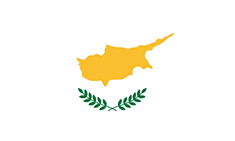
Nicosia Travel Guide: Weather, Time, Attractions & Tips
Nicosia (Lefkosia) is the capital and largest city of Cyprus, and the last divided capital in Europe, with Greek Cypriot and Turkish Cypriot sectors separated by the UN buffer zone.
The city has a population of around 0.2 million people (2021) and blends medieval walls, museums and cafes with a relaxed Mediterranean lifestyle.

Nicosia at a glance
Nicosia lies roughly in the center of Cyprus and has been continuously inhabited since antiquity, with layers of Byzantine, Lusignan, Venetian and Ottoman history visible in its architecture.
Within the 16th‑century Venetian walls you will find narrow streets, churches, mosques, museums and small shops, while the modern city stretches beyond with offices, malls and residential areas.
Apply for tourist visa
Entry rules for Cyprus depend on your nationality and length of stay. Always check the latest visa requirements before you travel.
Use the official visa portal or your nearest embassy/consulate to confirm documents, fees and processing times.
How do I apply for a Nicosia tourist visa? Click Here
Important numbers
In case of emergency, please contact:
- Ambulance: 112
- Fire: 112
- Police: 112
International Emergency Phone Numbers
Currency in Nicosia
The currency in use in the city of Nicosia is the euro (EUR). Cards are widely accepted, but it is still useful to carry some cash for small cafes, kiosks and bus tickets.
Top attractions in Nicosia
Nicosia is best explored on foot, especially within the old walled city where most sights are close together.
Venetian Walls & Old Town Gates
Walk along the circular 16th‑century Venetian walls and look for the three historic gates: Paphos Gate, Famagusta Gate and Kyrenia Gate.
Ledra Street & Ledra Street Crossing
Ledra Street is a main pedestrian shopping street with cafés and boutiques, ending at a checkpoint where you can cross to the northern part of Nicosia (passport/ID required).
Cyprus Museum
The Cyprus Museum is the country’s main archaeological museum, displaying artifacts from prehistoric times to the Roman period, including statues, pottery and mosaics.
Leventis Municipal Museum & Laiki Geitonia
The Leventis Municipal Museum covers the social and urban history of Nicosia with well‑curated exhibits in a restored mansion.
Nearby Laiki Geitonia is a restored quarter of narrow streets, traditional houses, tavernas and souvenir shops, perfect for an evening stroll.
Cathedral, Mosques & Religious Sites
Within the old city you can visit several churches and mosques that reflect the city’s mixed heritage, including Orthodox cathedrals, medieval churches and former churches converted to mosques.
Cafés, tavernas & nightlife
Streets around Onasagorou and Ledra fill up in the evening with outdoor tables, offering meze, grilled dishes, coffee and drinks in a relaxed atmosphere.
Practical tips for tourists
Best time to visit
- Spring (April–May) and autumn (September–October) offer pleasant temperatures and are ideal for walking around the old town.
- Summers can be very hot in the middle of the day, so plan sightseeing in the morning and evening and rest at midday.
- Winters are mild, with some rainy days, but still good for city breaks and museum visits.
Dress code & culture
- Casual, modest clothing is fine in most places; bring something slightly smarter for nicer restaurants or evenings out.
- When visiting churches or monasteries, cover shoulders and knees; some places may provide wraps at the entrance.
- Respect local customs and religious sites by speaking quietly and avoiding flash photography where it is not allowed.
Getting around
- The old town of Nicosia is compact and best explored on foot; wear comfortable shoes for cobbled streets.
- Local buses connect Nicosia with other cities; check timetables in advance, especially on weekends and holidays.
- Taxis are available, but it is useful to agree the fare or make sure the meter is used before starting the ride.
Safety & health
- Nicosia is generally safe, but as in any city, keep an eye on your belongings in crowded streets and on public transport.
- Tap water is usually safe in many parts of Cyprus, but if in doubt, drink bottled water and stay hydrated in the heat.
- Use sunscreen, sunglasses and a hat during sunny months, even when exploring the city and not the beach.
Find flights to Nicosia
The main nearby airport serving Nicosia on the northern side is Ercan International Airport (IATA code: ECN), while visitors to the Republic of Cyprus typically fly to Larnaca (LCA) or Paphos (PFO) and continue by road.
Nicosia Airport Code: NIC
BOOK THE BEST TOURS
Nicosia is the capital city of Cyprus.